Introduction
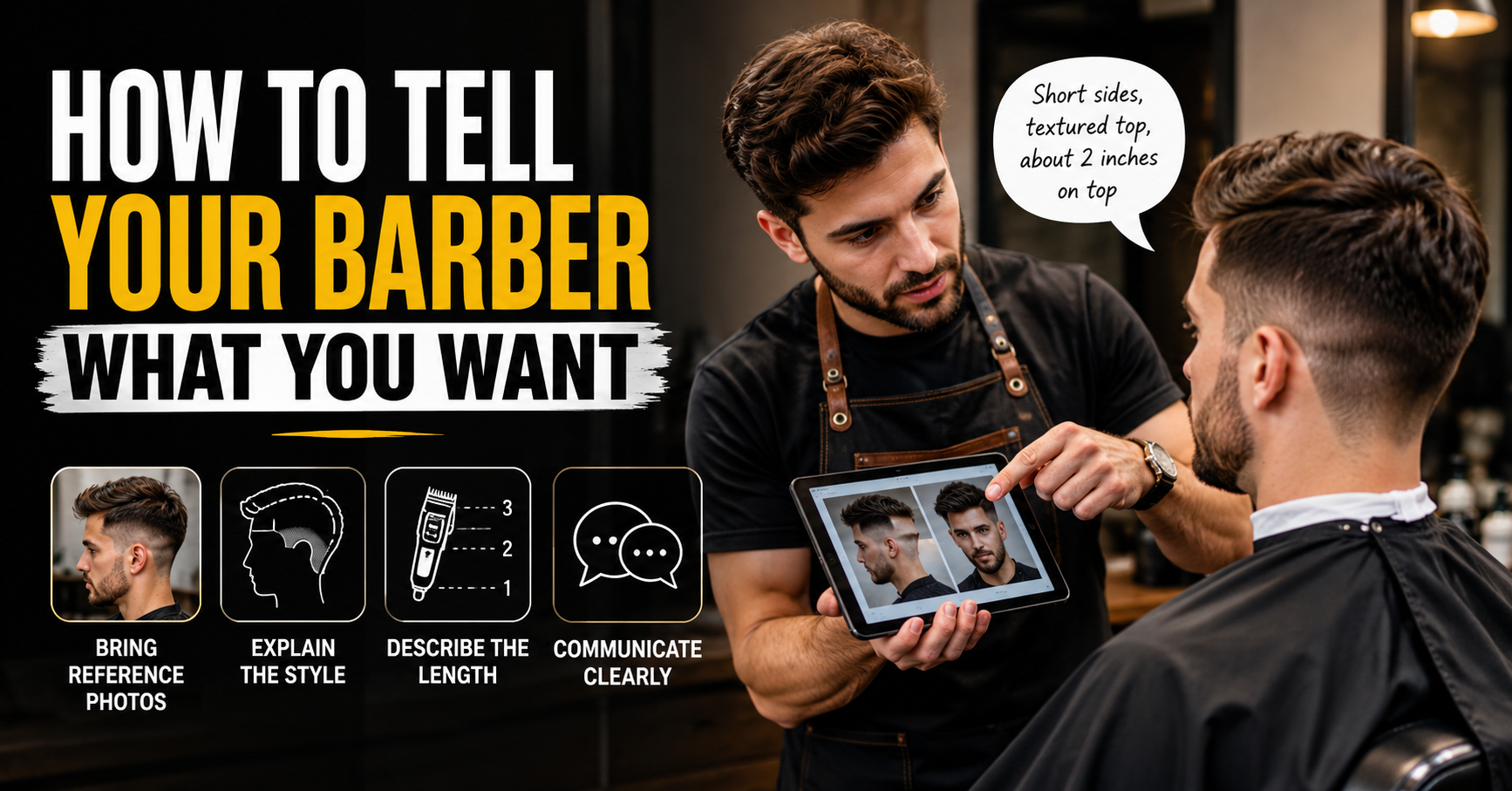
Many men experience a sudden wave of anxiety when they sit in the chair. You want a fresh look, but you simply do not know how to tell your barber what you want. You sit down, the cape wraps around your neck, and you struggle with asking for a haircut properly. Learning the right way to talk to your barber transforms your entire grooming experience and eliminates the risk of a bad haircut.
Miscommunication ruins thousands of hairstyles every single day. You expect a modern taper fade, but you leave the shop with a buzz cut that you absolutely hate. The problem does not usually lie with the barber’s technical skill. Most of the time, the issue comes down to a lack of clear communication during your hair consultation tips session.
We created this comprehensive guide to solve that exact problem for you. You will learn the exact phrases, terms, and strategies to describe a haircut with absolute precision. Let’s dive into the best ways to communicate your goals so you can get the right haircut every single time.
Why You Need to Know How to Tell Your Barber What You Want
Barbers possess incredible technical skills, but they cannot read your mind. They see hair through a lens of geometry, angles, and blending techniques. When you use vague words like “just a trim” or “make it look good,” you leave the door open for massive guesswork.
A great haircut builds your confidence and frames your face perfectly. On the flip side, a bad experience leaves you hiding under a baseball cap for a month. Taking control of your consultation changes the entire experience. When you master how to tell your barber what you want, you transform your regular grooming routine into a stress-free habit.
1. Do Your Homework Before Asking for a Haircut
You cannot expect a perfect result if you walk into the shop with zero preparation. Great haircuts start at home before you even open your mouth to describe a haircut. You need to analyze your own hair traits and find visual examples that match your reality.
Find the Right Reference
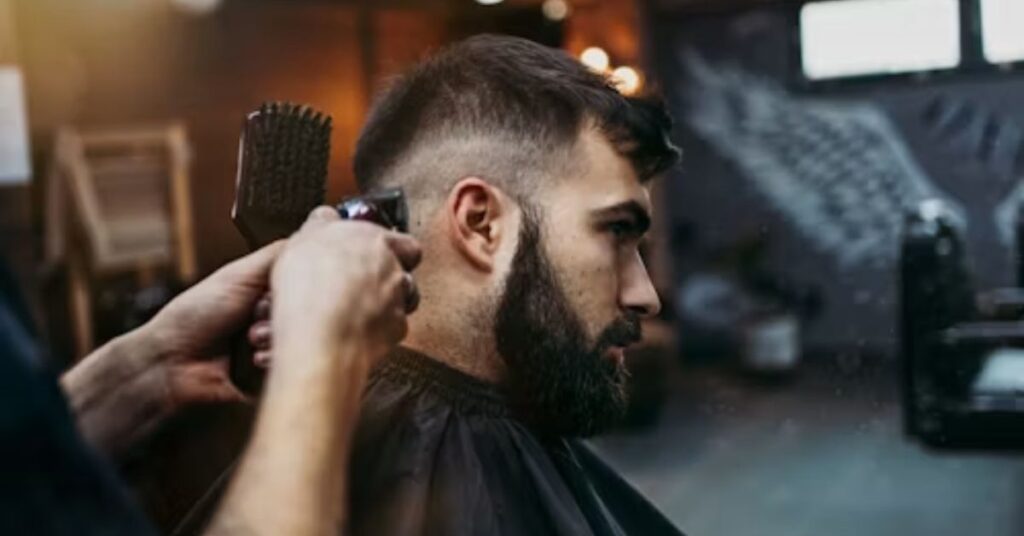
Pictures speak louder than words in the grooming world. Spend a few minutes searching for styles on social media or grooming blogs. Look for models who share your specific hair texture, thickness, and face shape. If you have thick, wavy hair, do not bring a picture of a model with pin-straight, thin hair. Your barber can adapt a style, but they cannot change your fundamental DNA.
Learn Your Numbers and Guards
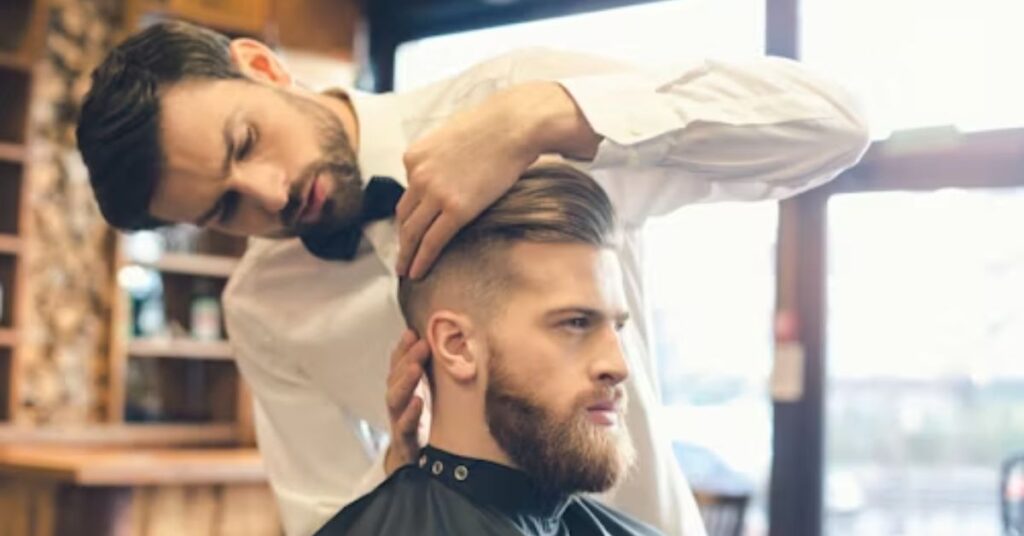
Barbers use specific clipper guard numbers to determine hair length. If you prefer a short look on the sides, you should know your preferred number. A #1 guard leaves your hair very close to the skin, while a #4 guard leaves half an inch of length. Memorizing these numbers removes the guesswork completely from the conversation.
2. Master the Basic Barber Terminology Guide
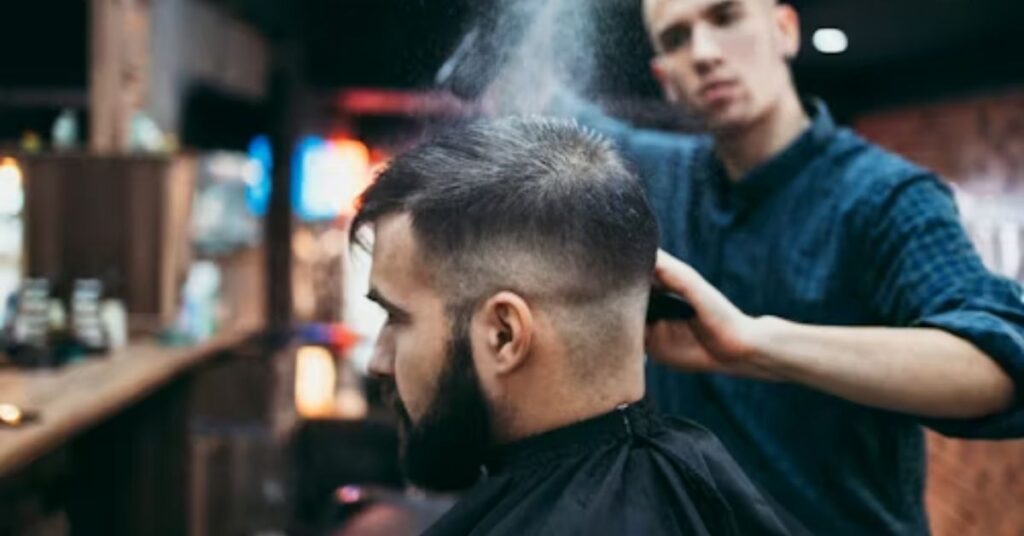
You do not need a license to speak the language of a professional barber. Learning just a few core terms will help you talk to your barber with absolute precision. Here are the essential concepts you should know.
The Difference Between a Fade and a Taper
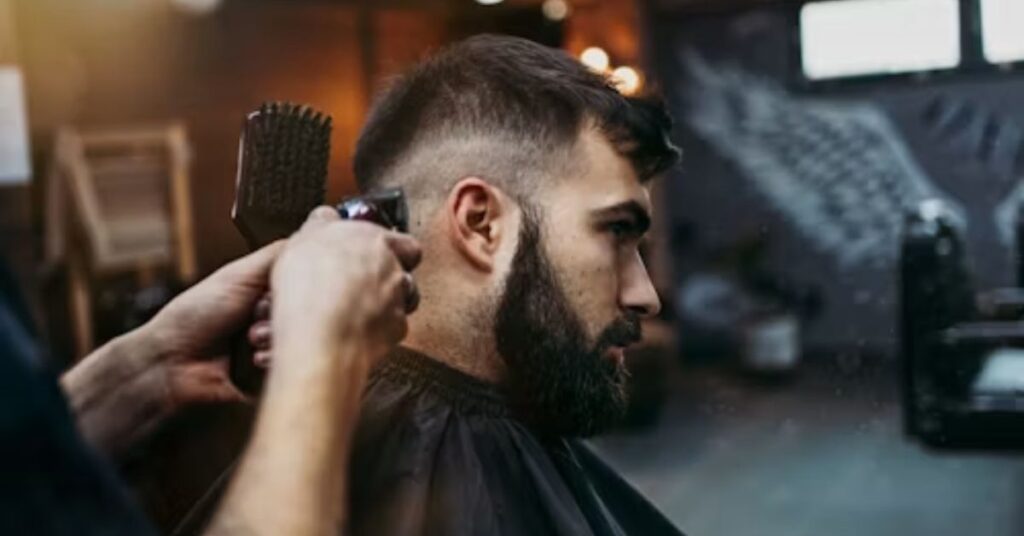
Many guys use these two terms interchangeably, which causes massive confusion. A fade blends the hair down to the bare skin, completely exposing your scalp around the lower ears and neckline. A taper cuts the hair short, but it keeps a clean hairline at the edges. Tapers look more traditional, while fades offer a sharp, modern contrast.
Understanding Necklines: Blocked, Rounded, or Tapered

The way your barber finishes the back of your head makes a huge impact as your hair grows out. A blocked neckline cuts a straight, sharp line across your neck. A rounded neckline softens those corners into smooth curves. A tapered neckline blends the hair naturally into your skin, which looks clean and requires much less maintenance over time.
Texture and Thinning

If your hair feels incredibly heavy or bulky, ask your barber to add texture. Barbers use point-cutting techniques or thinning shears to remove internal weight without changing the overall length. This step makes your hair much easier to style with products at home.
3. The Step-by-Step Formula: How to Tell Your Barber What You Want
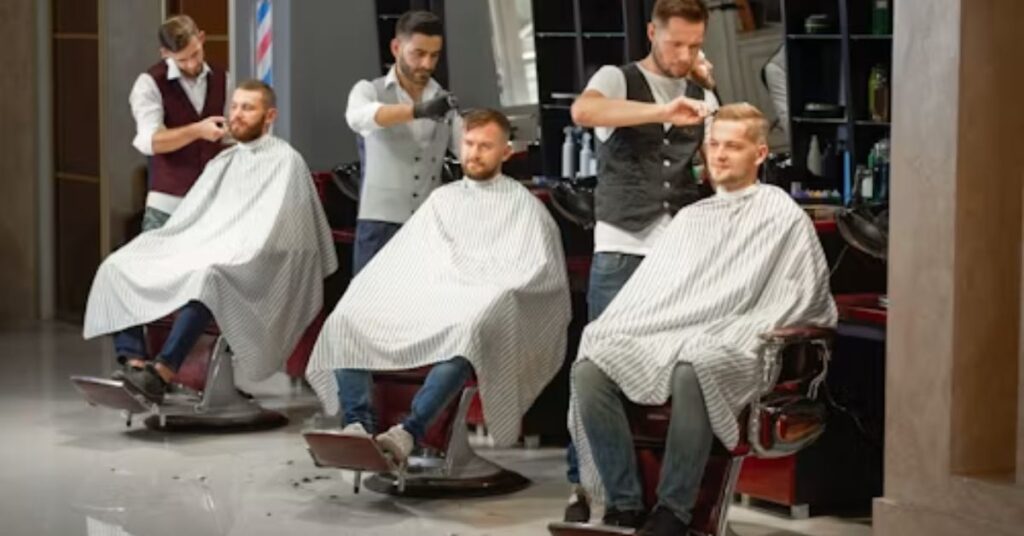
Follow this simple, logical sequence when you sit down in the chair to get the right haircut. This structure ensures you cover every important detail before the clippers even turn on.
- Step 1: State the Overall Style:Start with the big picture. Tell your barber the general name of the haircut you want, such as an undercut, a crew cut, a high and tight, or a classic side part.
- Step 2: Define the Sides and Back: Specify exactly how short you want to go on the sides. Use clipper guard numbers or specify if you want a skin fade. Clearly state where you want the fade to start: low, mid, or high on the sides of your head.
- Step 3: Choose the Top Length: Explain how much length you want to keep on top. Instead of saying “save a little,” specify the length in inches. For example, say, “Leave about two inches on top so I can comb it over.”
- Step 4: Select the Neckline and Edges: Finish your instructions by describing your preferred neckline. Ask for a tapered, blocked, or rounded finish based on your maintenance preferences.
4. Common Misunderstandings When Trying to Talk to Your Barber
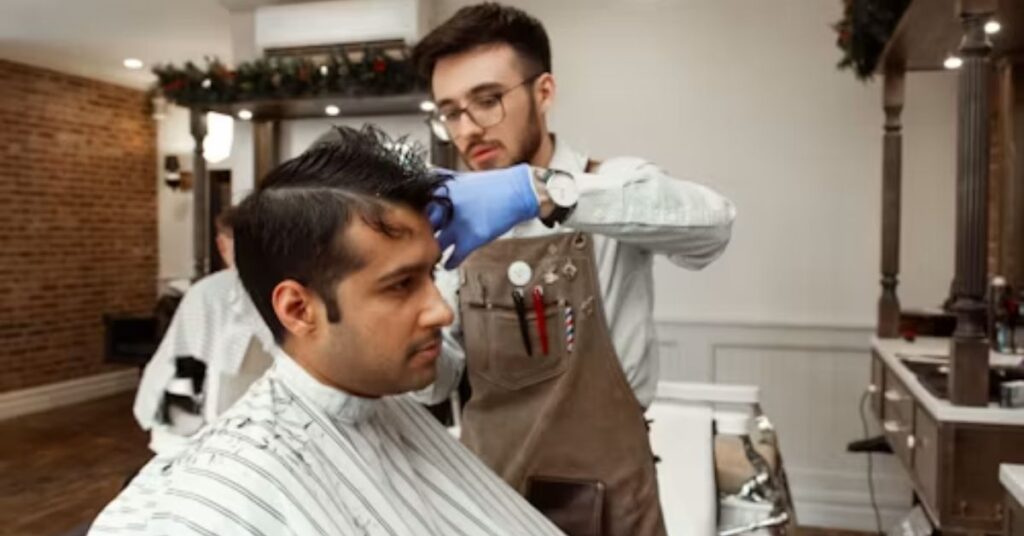
Even with the best intentions, certain phrases cause instant confusion in the shop. Avoiding these common traps keeps you and your barber on the exact same page.
The Trap of Saying “Just a Trim”
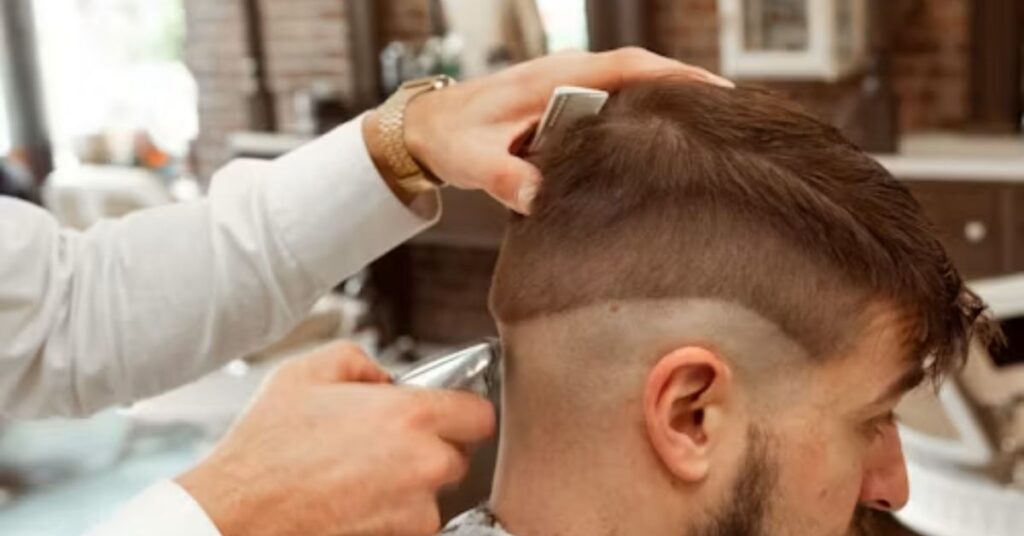
Avoid this phrase at all costs. To you, a trim might mean a quarter of an inch. To a busy barber, a trim might mean taking off an entire inch to remove split ends. Always specify exact measurements to protect your length.
Be Honest About Your Daily Styling Routine

Do not ask for a complex, high-maintenance pompadour if you only spend two minutes getting ready in the morning. Tell your barber exactly how much effort you want to put into your hair. If you prefer a wash-and-go look, your barber will adjust the cut to match your daily lifestyle.
Summary of Key Barber Terms and Meanings
| Barber Term | What It Means | Best Used For |
| Skin Fade | Blends hair completely down to the bare skin. | Ultra-modern, sharp, and high-contrast looks. |
| Low Taper | Shortens hair only at the natural sideburns and neckline. | Conservative, professional, and classic styles. |
| Texturizing | Removes bulk and weight using specialized shears. | Making thick hair manageable and easy to style. |
| Point Cutting | Cuts hair at an angle using the tips of the scissors. | Creating movement and a messy, modern texture. |
| Tapered Neckline | Blends the hair smoothly into the skin at the neck. | Low-maintenance growth that looks neat for weeks. |
Frequently Asked Questions
How do I ask for a messy, textured look on top?
Tell your barber that you want a textured cut, and ask them to use point cutting on the top. Specify that you want to maintain enough length to use a matte clay or paste for a natural, effortless finish.
What should I say if I want to grow my hair out long?
Explain your long-term goal clearly to your barber. Tell them you want to grow your hair out, but you need to clean up the edges and remove excess bulk so it stays neat during the awkward growth phases.
Is it rude to show my barber multiple pictures?
Not at all. Barbers love visual references. Show them two or three photos, and explain exactly what you like about each one, such as the top texture of one photo and the side fade of another.
How often should I get a haircut to maintain a fade?
Fades require frequent maintenance because hair grows quickly. To keep a skin fade looking crisp and sharp, plan to visit your barber every two to three weeks.
What do I do if I genuinely dislike my haircut during the appointment?
Speak up immediately but stay completely polite. If you notice the sides look too long or the top feels heavy, tell your barber before they finish the appointment. They will gladly make adjustments to ensure you leave happy.
Conclusion: Confidence in the Chair
Getting a phenomenal haircut does not require luck. It requires clear, direct communication. When you know how to tell your barber what you want, you completely eliminate the stress of the barber chair.
The team at barberstylehub.com encourages you to treat your next haircut as a collaborative project. Be honest about your morning routine, use your new barber terminology guide, and build a strong relationship with your barber. You will walk out of the shop feeling confident, sharp, and looking exactly the way you planned.

I’m the founder of BarberStyleHub and a men’s grooming enthusiast who’s spent years researching haircut trends, fade techniques, and styling methods — from classic slick backs to modern mullets and everything in between. Every guide I write is based on deep research into professional cutting and styling techniques, cross-checked with barbering fundamentals, so you know exactly what to ask your barber. My goal is simple: help every man find the right haircut and feel confident walking out of the chair.