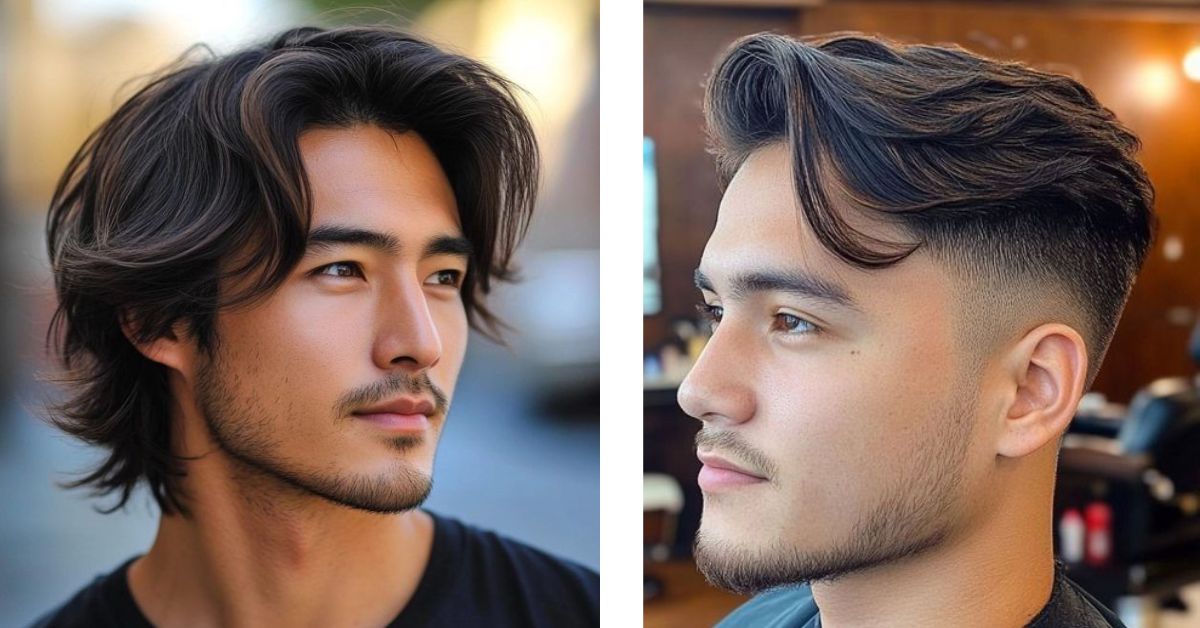
The best hairstyles for thick hair give you power, movement, and styling versatility. You must control volume, remove internal weight, and choose the right structure to avoid bulk and “poof.” In this expert guide, I explain how to manage volume and select professional hairstyles for thick hair. I also apply de-bulking methods that reduce styling time without sacrificing fullness. By choosing the right hairstyles for thick hair, you transform heavy strands into a manageable, stylish mane.
Understanding Thick Hair: Density vs. Diameter
Most people confuse density and diameter. You must identify both before choosing hairstyles for thick hair.
- Density = How many hairs grow per square inch
- Diameter = How thick each individual strand feels
Thick hair can fall into two major categories:
| Hair Type | Density | Strand Thickness | Main Challenge | Best Strategy |
| Type A: Heavy/Coarse | Medium | Thick strands | Rough texture, stiffness | Soft internal layering + hydration |
| Type B: High-Density/Fine | Very High | Fine strands | Excess bulk, “helmet” effect | Internal weight removal + structure |
Ponytail Circumference Chart (Quick Self-Test)
Wrap your hair into a ponytail and measure circumference:
| Circumference | Hair Category |
| Under 2 inches | Low Density |
| 2–4 inches | Medium Density |
| Over 4 inches | High Density / Thick Hair |
If your ponytail exceeds 4 inches, you must focus on managing thick hair volume, not just trimming length.
The Internal Map Case Study: How We Reduced Dry Time
I applied an “internal map” technique to two clients with identical density. Both had shoulder-length thick hair and needed faster styling routines. By using this method, I reduced blow-dry time for thick hair while keeping its natural volume. The technique works well for any client with thick hair who wants easier styling without losing fullness.
The Methodology: Invisible Layering
I removed the weight underneath the top canopy of thick hair. I preserved the surface shape but created internal movement for thick hair that reduces bulk without sacrificing fullness. This technique falls under internal weight removal and advanced de-bulking methods, and it works on all types of thick hair. Stylists use it to improve styling speed and manage thick hair volume effectively.
The Result: Blow-Dry Time Comparison
| Day | Standard Blunt Cut (Minutes) | Internal Weight Removal (Minutes) |
| Day 1 | 45 | 22 |
| Day 7 | 44 | 21 |
| Day 15 | 46 | 20 |
| Day 30 | 45 | 20 |
The invisible layering reduced drying time for thick hair by more than 50%. The client reported less arm fatigue and smoother styling, making thick hair easier to manage every day. This method works especially well for layered cuts for thick hair and shoulder-length styles for thick hair, keeping volume controlled without sacrificing fullness.
Best Haircuts for Thick Coarse Hair
You must select cuts that control expansion while maintaining movement.
1. Layered Cuts for Thick Hair
Layered structures remove internal weight and create air pockets inside the haircut. Stylists often combine thinning shears vs. point cutting techniques for controlled reduction.
Best for:
- Medium to long hair
- Clients who want volume without heaviness
2. Short Haircuts for Thick Hair
Short styles work when you control bulk at the crown and nape.
Pixie Cuts for High-Density Hair
A structured pixie removes weight at the interior while keeping texture at the top. It prevents the mushroom effect.
Undercuts for Density Control
You can remove 20–30% of internal bulk without changing visible length. This works well for extreme density.
3. The Wolf Cut for Thick Hair
The wolf cut blends shag layers with modern structure. It distributes weight evenly and prevents the triangle shape that thick hair often forms.
This cut works best for:
- Clients who want edgy volume
- Natural texture with movement
4. The Butterfly Cut Technique
The butterfly cut uses cascading layers that frame the face and reduce bulk without shortening overall length.
Face-framing layers for volume create lift while keeping thickness controlled at the ends.
5. Low-Maintenance Bob for Thick Hair
You must remove internal weight when creating a bob. A blunt bob creates the “bell shape.”
Use internal layering instead. This method keeps the perimeter clean while eliminating bulk inside.
10 Best Styles for Thick Hair
1. Textured Long Layers
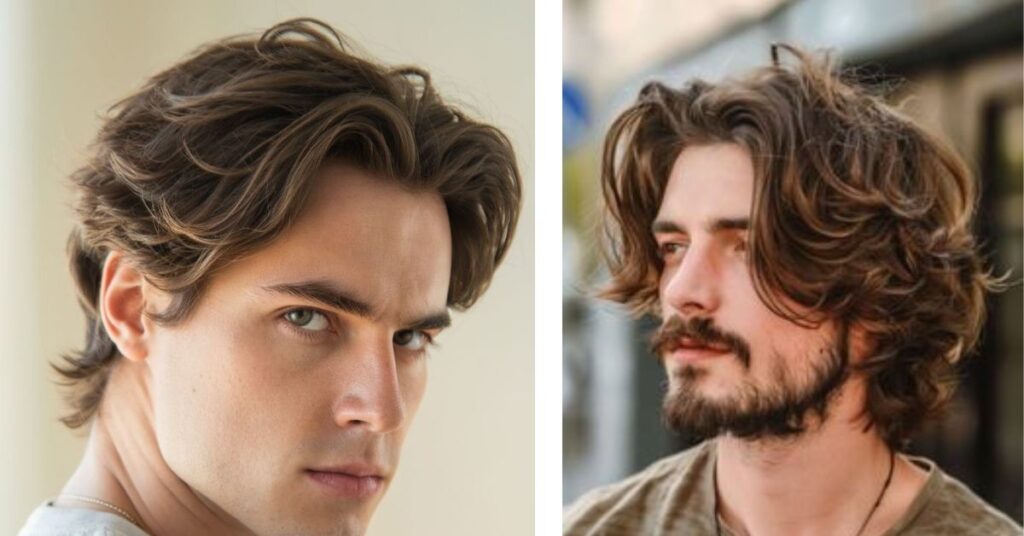
This cut removes internal heaviness while keeping length intact. It improves movement and reduces bulk without thinning the ends too much.
- Works well for medium to long hair
- Reduces blow-dry time
- Prevents triangle shape
2. Shoulder-Length Soft Shag
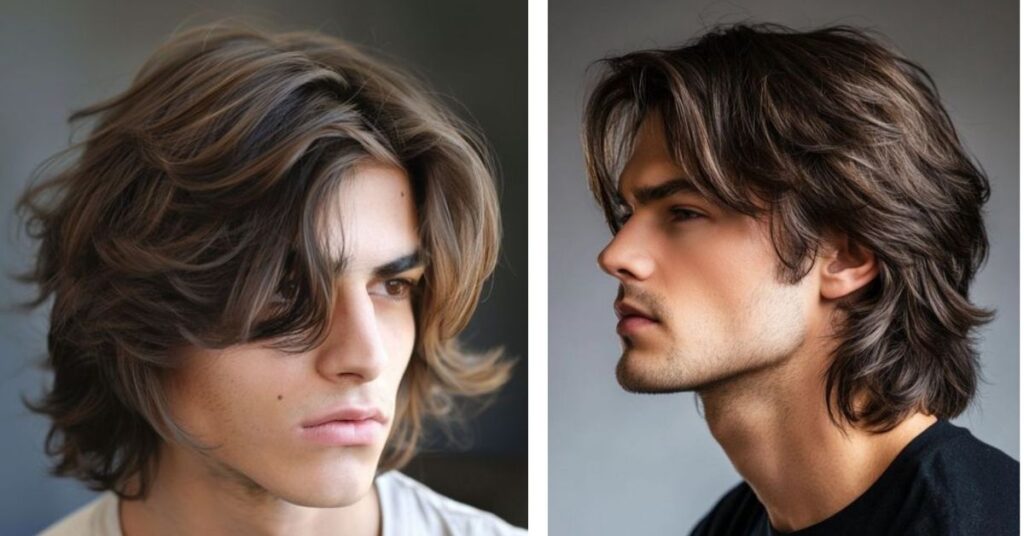
This structured shag distributes weight evenly and adds natural lift around the crown.
- Ideal for natural waves
- Enhances volume control
- Grows out gracefully
3. Internal Layered Lob
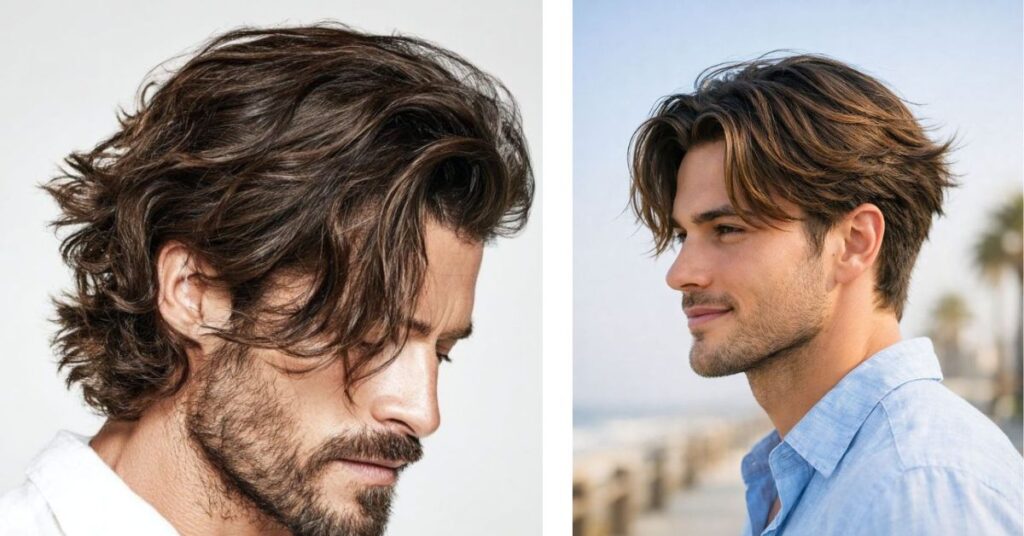
This long bob looks polished on the outside but feels lighter underneath. Stylists remove hidden bulk inside the cut.
- Suitable for office-ready looks
- Easy to style straight or wavy
- Controls expansion at the ends
4. Structured Pixie with Tapered Nape
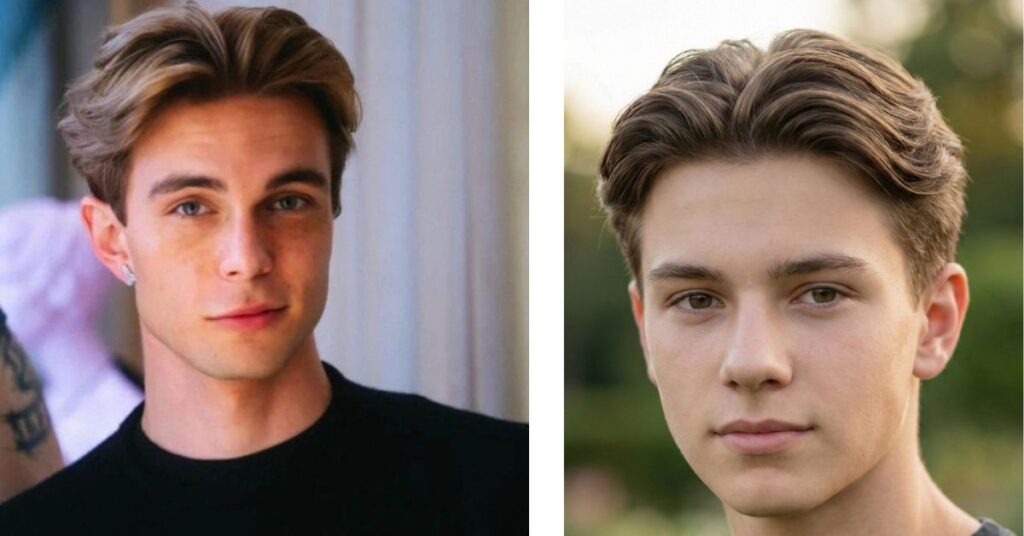
This short style removes excess density at the back while keeping texture on top.
- Reduces daily styling time
- Keeps crown balanced
- Eliminates mushroom effect
5. Modern Wolf Cut
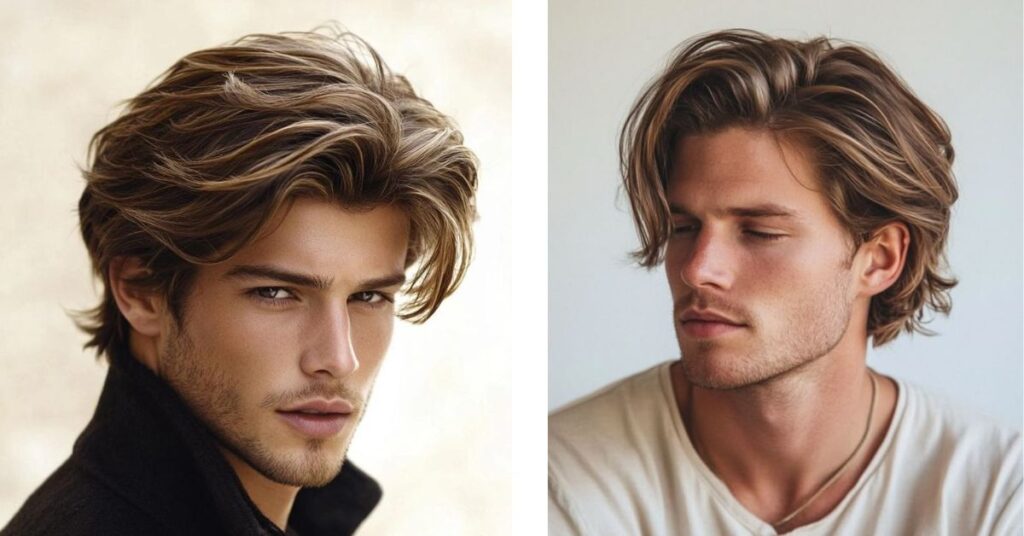
This layered cut blends shag and mullet elements for bold movement and shape.
- Adds controlled volume
- Works well with thick texture
- Requires minimal heat styling
6. Butterfly Layer Cut
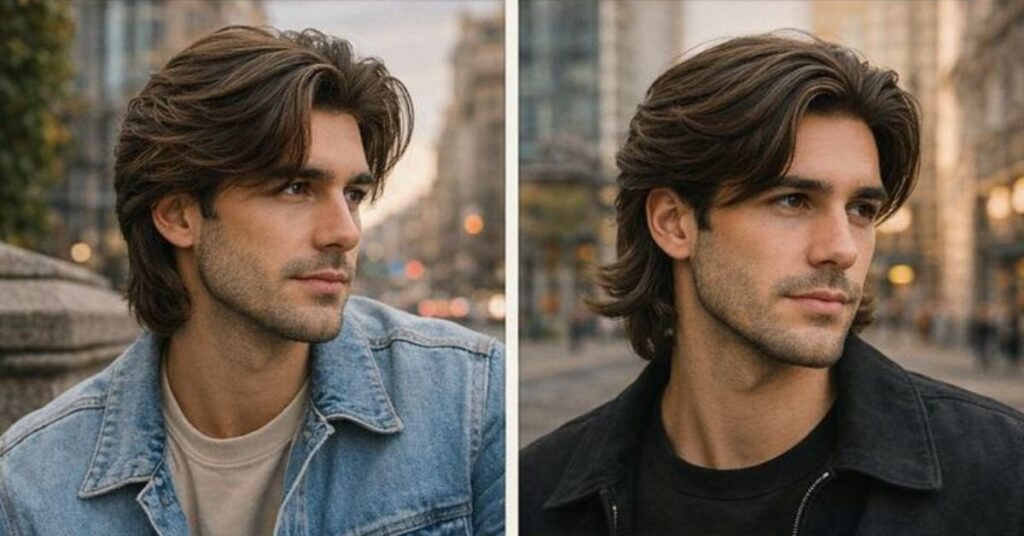
This technique creates cascading layers that frame the face without sacrificing length.
- Adds lift around cheekbones
- Keeps bottom length full
- Prevents heavy ends
7. Soft Undercut with Long Top
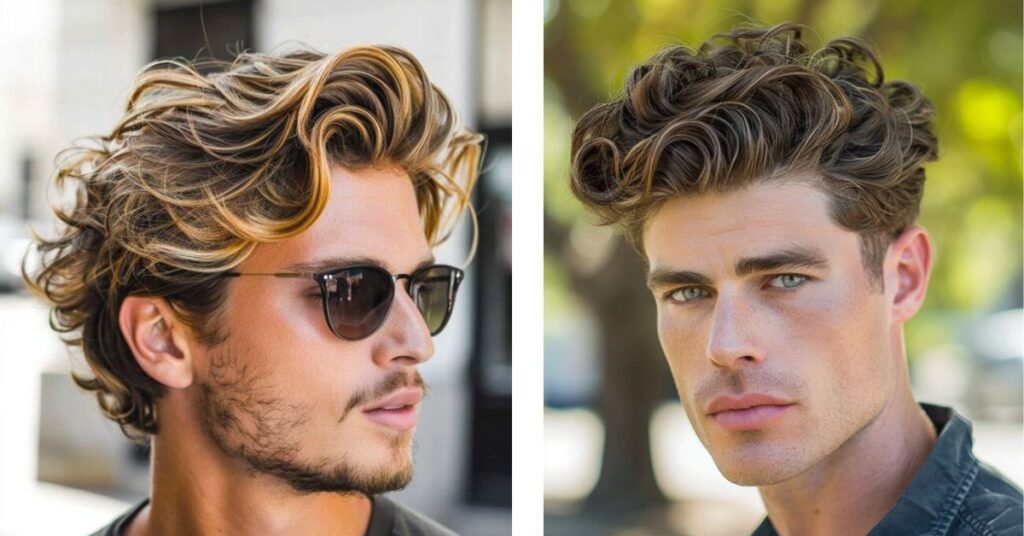
This hidden undercut removes internal weight while maintaining visible length.
- Reduces bulk by 20–30%
- Ideal for extreme density
- Stays discreet when styled down
8. Angled Bob with Internal Debulking
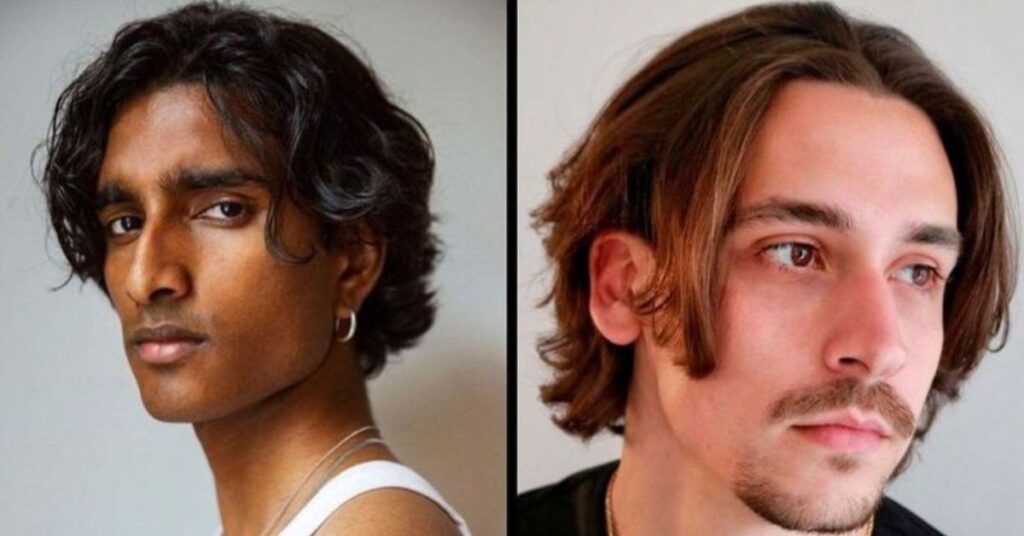
This forward-angled bob sharpens facial structure while keeping volume controlled.
- Creates sleek silhouette
- Works well for straight textures
- Prevents outward flaring
9. Face-Framing Layered Cut

This style adds dimension near the front and softens heavy sections.
- Highlights facial features
- Blends thick sections smoothly
- Enhances movement
10. Long Curtain Layers
This cut adds softness around the front while maintaining overall thickness.
- Balances wide jawlines
- Reduces heaviness near cheeks
- Easy to maintain
The 3-Month Grow-Out Methodology
Thick hair changes dramatically over 12 weeks. You must cut for longevity.
Point-Cutting for Longevity
I angle my scissors vertically into the ends instead of cutting straight across. This prevents the “bell shape” that thick hair forms as it grows.
12-Week Comparison
| Cut Type | Week 1 | Week 12 Result |
| Blunt Cut | Sharp edge | Heavy triangle shape |
| Weight-Removed Cut | Soft perimeter | Balanced shape, no bulk flare |
When you design shoulder-length styles for heavy hair, always consider the grow-out pattern.
Porosity and Thick Hair Health
Thick hair does not always mean healthy hair. You must evaluate thick hair porosity carefully. High porosity thick hair absorbs moisture quickly but loses it fast, while low porosity thick hair resists moisture and product penetration. Choose the best hair products for Dense hair based on porosity:
- Lightweight leave-in for high-density thick hair
- Cream-based smoothing products for coarse thick hair strands
- Heat protectant to reduce expansion during blow-drying
Thinning Shears vs. Point Cutting
Never overuse thinning shears on coarse hair. They create frizz when used incorrectly.
Use thinning shears for:
- Dense fine hair
- Internal weight removal
Use point cutting for:
- Coarse strands
- Long-term shape control
FAQs
1. How do I stop thick hair from looking puffy?
You must remove internal weight, not just length. Ask your stylist for invisible layering or internal de-bulking.
2. Are short haircuts good for thick hair?
Yes. You must control crown volume and remove bulk at the nape. Structured pixie cuts for high-density hair work well.
3. Does thick hair need layers?
Yes. Layered cuts for thick hair improve movement, reduce drying time, and prevent triangle shapes.
4. What causes the “bell shape” in thick hair?
Blunt cutting creates heavy ends. As hair grows, the weight pushes outward and forms a wide base.
5. Which haircut requires the least maintenance?
A low-maintenance bob for thick hair with internal weight removal offers the best balance for thick hair between polish and ease. You control your thick hair, style your thick hair faster, and finally master your thick hair with this sleek cut.
Conclusion
Thick hair gives you strength, fullness, and styling versatility. Managing thick hair requires understanding density versus diameter, applying internal weight removal, and choosing strategic layering to control bulk. When you select the right haircuts for thick hair and design cuts for grow-out, you reduce daily styling time, prevent unwanted volume, and maintain shape for months. Proper care and styling techniques help your thick hair look polished while staying manageable every day. By mastering these methods, you finally conquer your thick hair and enjoy effortless style.
I’m the founder of BarberStyleHub and a men’s grooming enthusiast who’s spent years researching haircut trends, fade techniques, and styling methods — from classic slick backs to modern mullets and everything in between. Every guide I write is based on deep research into professional cutting and styling techniques, cross-checked with barbering fundamentals, so you know exactly what to ask your barber. My goal is simple: help every man find the right haircut and feel confident walking out of the chair.