
The two block haircut dominates modern men’s grooming because it combines clean structure, soft movement, and intelligent density control. Stylists in Seoul refined this look through precision cutting and texture management, and global exposure from K-pop culture pushed it into mainstream fashion.
This guide explains the technical foundation, density science, styling methods, down-perm execution, 30 style variations, and a professional maintenance system that keeps the shape sharp long after you leave the chair.
What Is a Two Block Haircut?
Barbers divide the haircut into two distinct sections:
- Top Section (Upper Block) – Longer hair for layering, movement, and styling flexibility
- Lower Section (Side & Back Block) – Shorter area that supports the top visually
Unlike a traditional undercut, the two blocks focus on controlled weight distribution rather than extreme contrast. The style relies on proportion, density mapping, and growth-direction management.
Cultural Origin: Why Korean Men’s Haircuts Changed Modern Grooming
Stylists in Seoul shifted men’s hair away from aggressive skin fades and toward softer silhouettes. They replaced harsh disconnections with:
- Layered top shaping
- Controlled tapering
- Down-perm technology
- Curtain part structures (6/4 and 5/5)
Korean actors and idols normalized natural texture, face-framing fringe, and balanced proportions. This cultural shift created a haircut that enhances facial structure without overpowering it.
Undercut vs. Two Block: Structural Comparison
| Feature | Traditional Undercut | Two Block Haircut |
| Transition | Fully disconnected | Soft or controlled disconnect |
| Side Control | Clipper fade only | Cut + optional down perm |
| Density Management | Minimal | High focus |
| Styling Flexibility | Moderate | High |
| Growth Pattern Handling | Limited | Advanced |
The two block works better for straight, coarse, or dense hair because it manages side expansion intelligently.
The Science of Density Distribution
Most failed two block haircuts result from ignoring hair density. Hair behaves differently depending on strand thickness and growth direction.
Density Categories and Recommended Execution
| Hair Density Type | Growth Behavior | Recommended Approach | Why It Works |
| High Density / Coarse | Expands outward | High disconnected structure + internal thinning | Reduces bulk and prevents box shape |
| Medium Density | Balanced fall | Soft undercut + layered top | Maintains natural flow |
| Low Density / Fine | Collapses flat | Low taper + volumizing layers | Preserves visual fullness |
| Straight & Heavy | Falls straight down | Root lift styling + optional soft perm | Adds structure |
Barbers must cut according to physics, not trends.
The “Calm the Sides” Down-Perm Case Study
Some clients struggle with aggressive side growth that sticks straight out. Cutting shorter often makes the problem worse.
The Professional Solution
I apply a controlled down perm using this method:
- Apply solution only to 1–1.5 inches of side hair
- Avoid scalp contact
- Process for 15 minutes instead of 20
- Neutralize immediately once flattening occurs
Why 15 Minutes?
- Protects scalp health
- Prevents over-processing
- Maintains natural softness
- Achieves flat silhouette
Result
Before:
- Side hair pushes outward
- Creates square profile
After:
- Hair lies flat
- Jawline appears sharper
- Top volume looks intentional
This method separates amateur cutting from expert execution.
6/4 Part vs. 5/5 Curtain Style
Part placement changes facial perception.
| Part Style | Best Face Shape | Visual Effect |
| 6/4 Part | Round | Adds asymmetry and edge |
| 5/5 Curtain | Oval / Long | Creates symmetry |
| Deep Side Part | Square | Enhances angles |
| Soft Natural Part | Heart | Balances forehead width |
Always choose the part according to bone structure.
How to Style a Two Block Properly
Step-by-Step Styling Routine
- Towel dry to 70%
- Apply light volumizing tonic
- Blow-dry using directional airflow
- Lift roots with fingers or round brush
- Apply small amount of matte clay or light pomade
- Finish with texture pinch
Avoid heavy wax on fine hair. Use minimal product on dense hair to prevent collapse.
The 4-Point Growth Cycle Maintenance System
Most blogs ignore what happens after three weeks. The shape breaks in predictable areas.
Where the Haircut Loses Shape First
- Nape line
- Temple corners
- Behind ears
- Internal top bulk
Mid-Month Refresh Strategy
1. Nape Clean-Up
Remove excess growth at the neckline.
2. Temple Refinement
Reshape the temple without raising the fade.
3. Internal Thinning
Remove weight inside the top while keeping length.
4. Fringe Micro-Adjustment
Trim 2–4 mm to maintain curtain balance.
This system extends the haircut lifespan from 3 weeks to 5 weeks.
30 Two Block Haircut Styles
Below you will find professionally structured variations designed for different densities and face shapes.
1. Classic Balanced

Keep moderate top length with clean sides.
- Safe for first timers
- Easy styling
- Office ready
2. Soft Transition
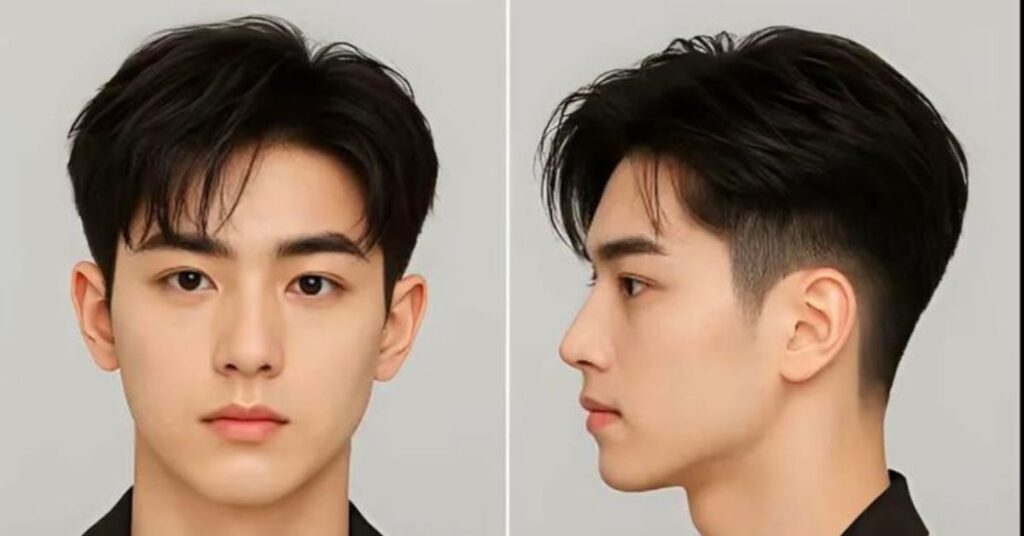
Blends sides naturally into the top.
- Smooth grow-out
- Ideal medium density
- Natural finish
3. Sharp Disconnect
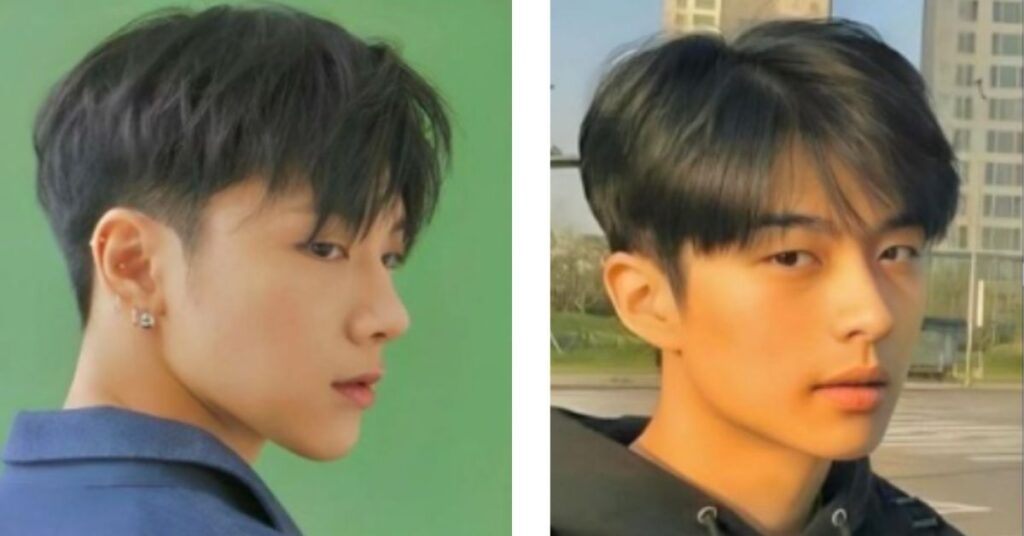
Creates bold separation.
- High contrast
- Best for thick hair
- Strong profile
4. 6/4 Side Part
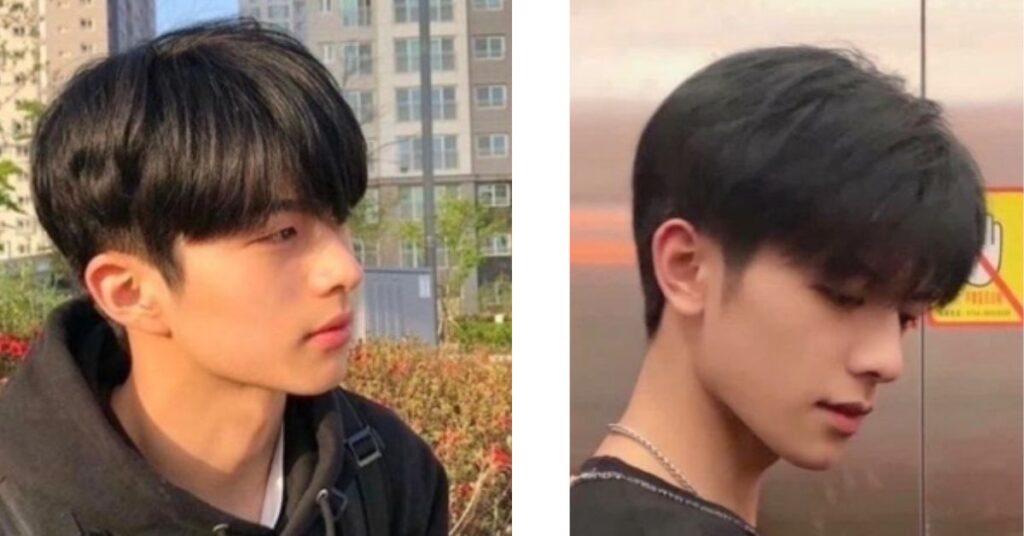
Adds asymmetry and lift.
- Sharpens round faces
- Professional
- Clean volume
5. 5/5 Curtain

Frames face evenly.
- Balanced symmetry
- Trend-focused
- Works with longer fringe
6. Textured Fringe
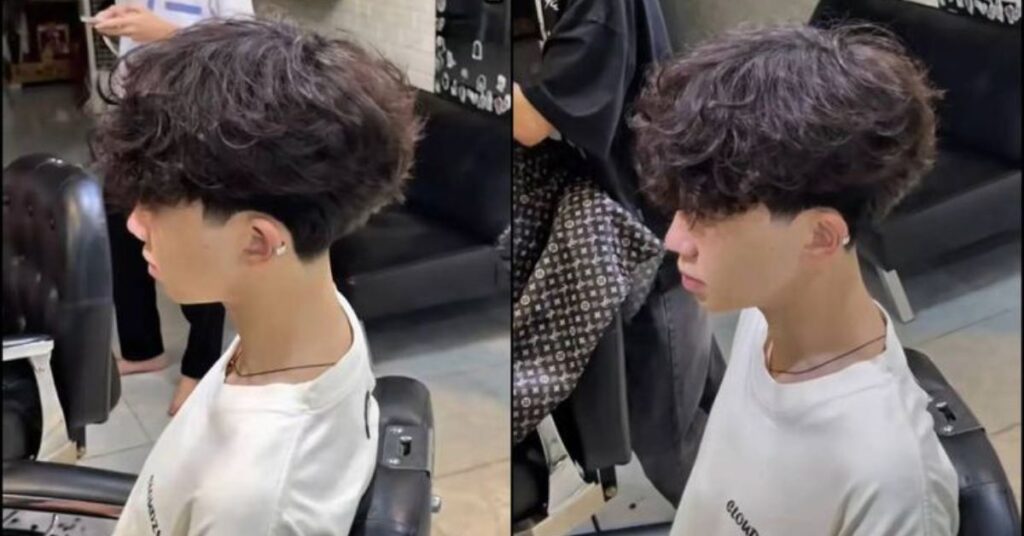
Adds micro layers to the front.
- Youthful energy
- Soft movement
- Low product use
7. Soft Wave
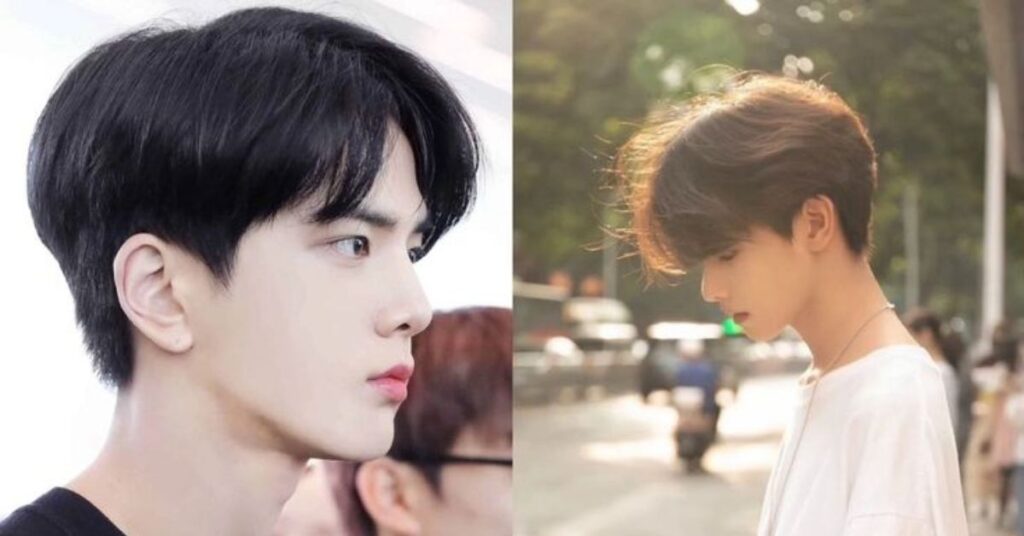
Introduces light bend to strands.
- Natural body
- Reduces flatness
- Low styling effort
8. Down-Perm Controlled
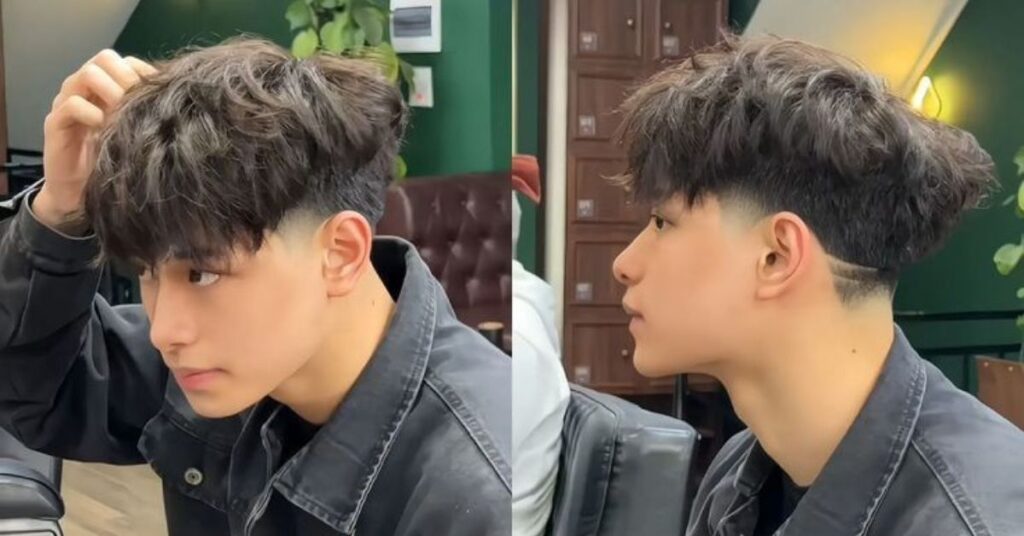
Flattens side bulk.
- Clean silhouette
- Jawline emphasis
- Long-lasting shape
9. Long Layer Flow
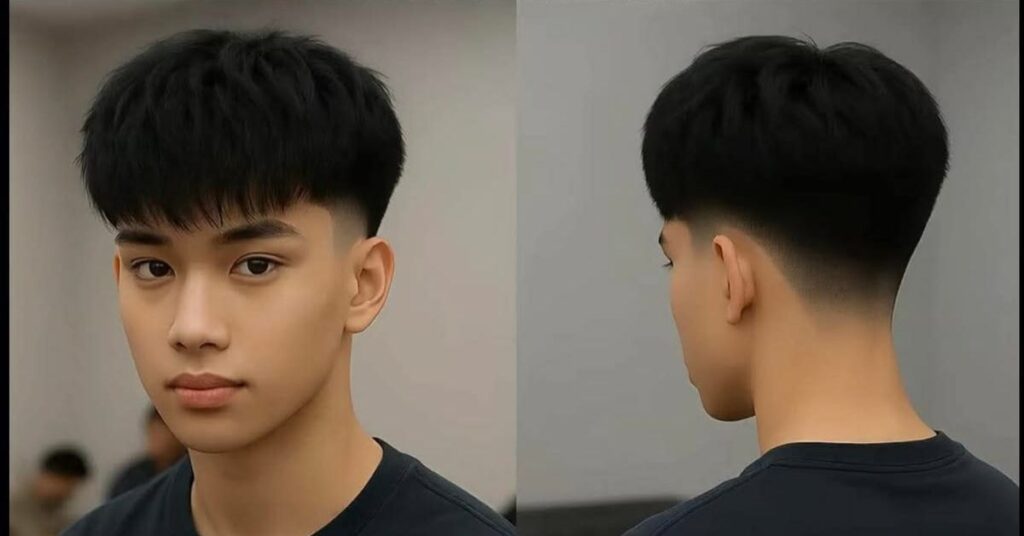
Keeps extended top length.
- Dramatic movement
- Creative look
- Versatile styling
10. Low Taper Finish
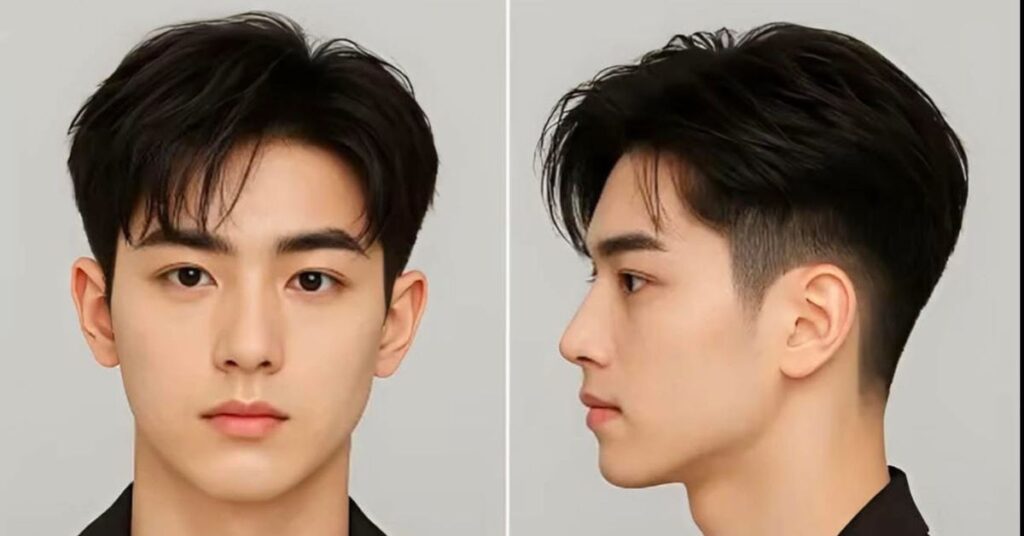
Softens the neckline gradually.
- Subtle polish
- Conservative style
- Easy maintenance
11. High Contrast
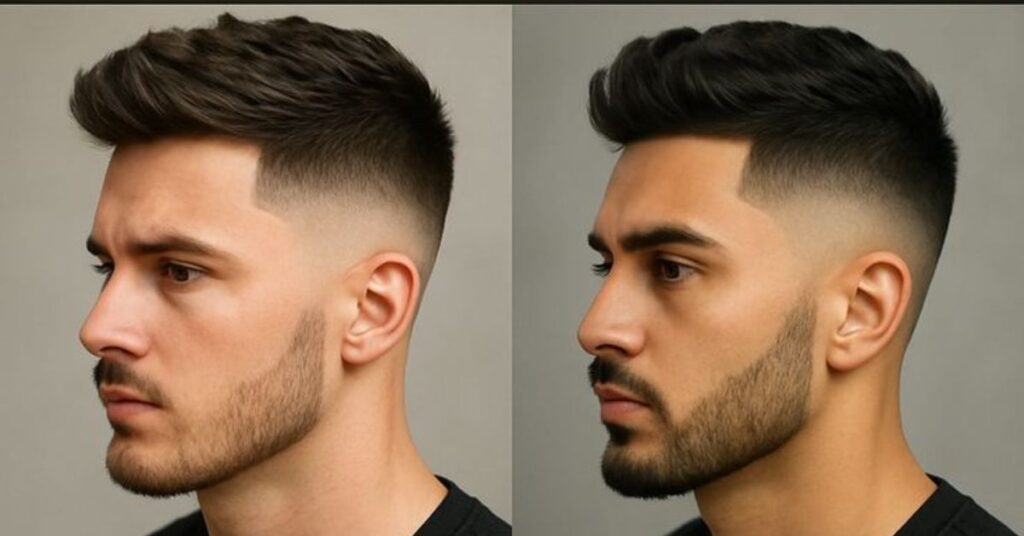
Raises disconnect for edge.
- Bold presence
- Dense hair solution
- Frequent trims needed
12. Slick Back

Pushes top backward smoothly.
- Formal events
- Adds height
- Clean finish
13. Matte Texture
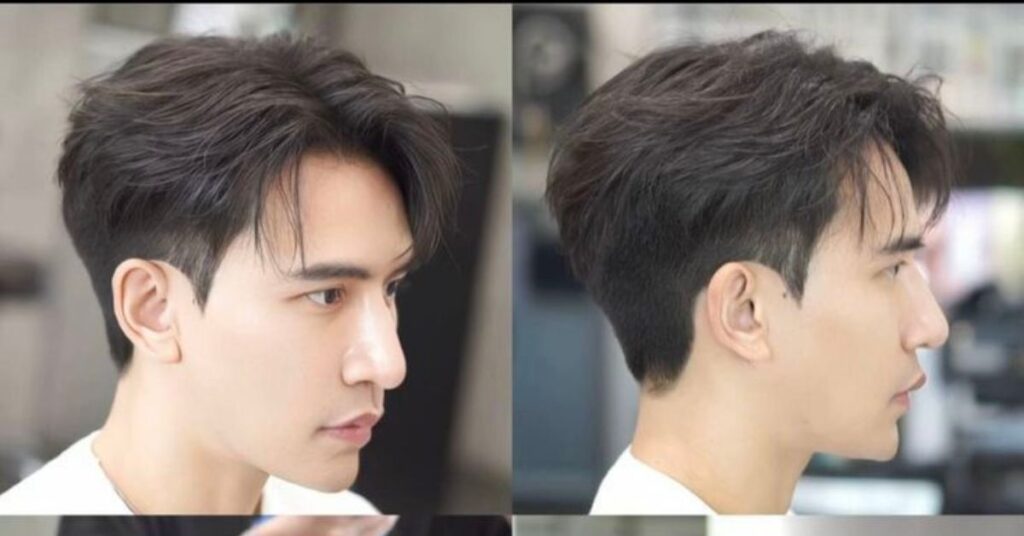
Uses clay for separation.
- Natural look
- Everyday wear
- Medium hold
14. Natural Drop
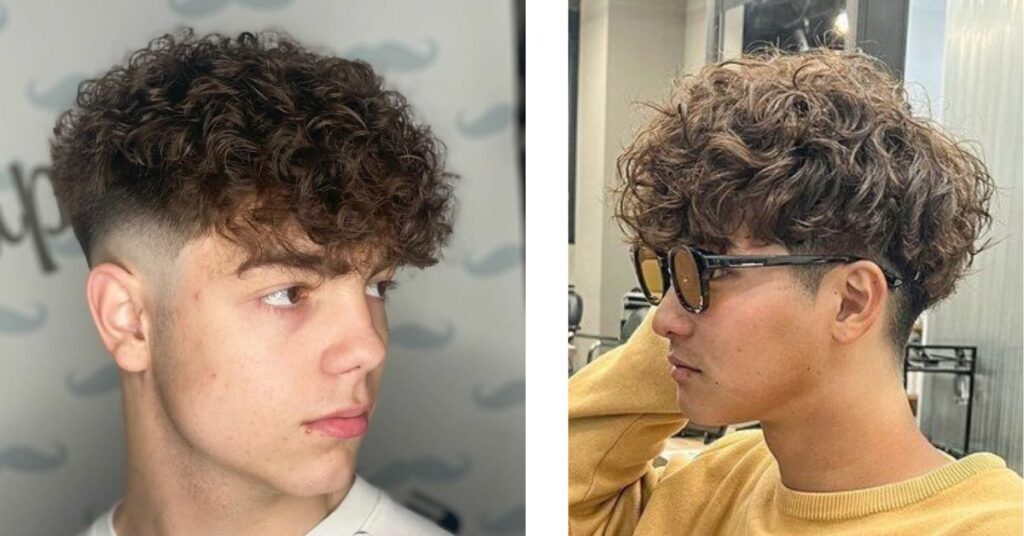
Allows fringe to fall freely.
- Relaxed feel
- Casual styling
- Quick routine
15. Angular Fringe

Cuts diagonal front line.
- Sharp detail
- Face slimming
- Modern look
16. Internal Thinned
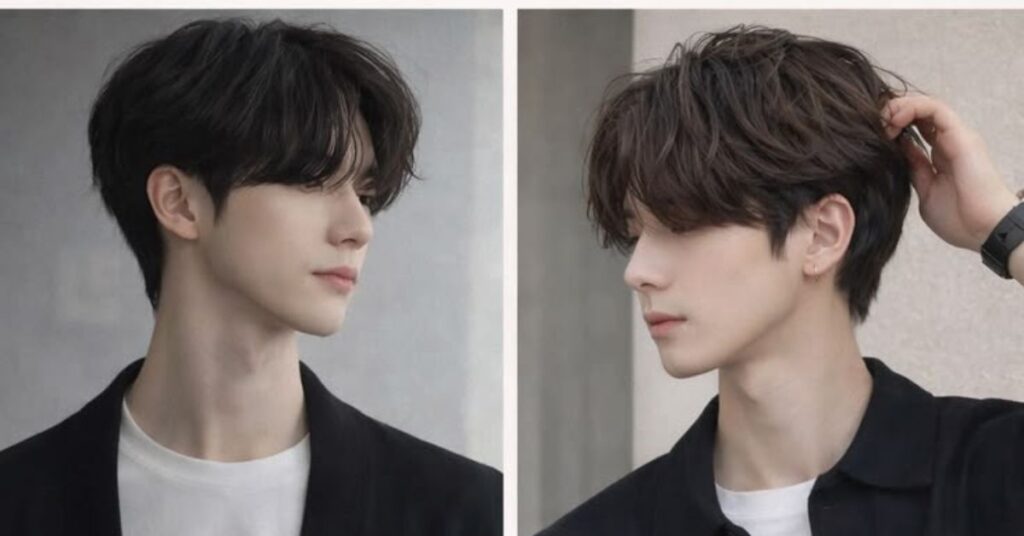
Removes hidden weight.
- Better grow-out
- Prevents mushroom effect
- Keeps length
17. Volume Boost
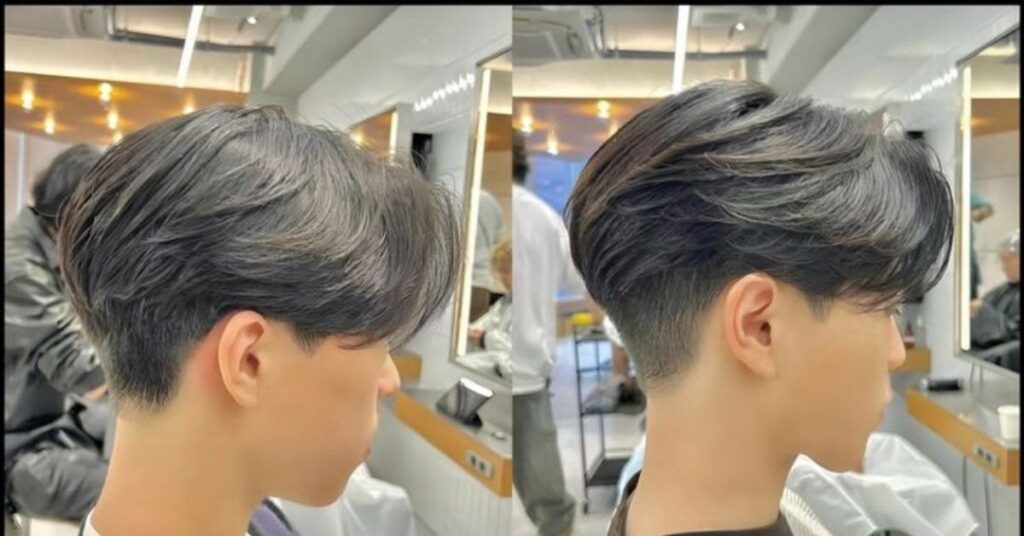
Focuses on root lift.
- Ideal straight hair
- Strong height
- Blow-dry friendly
18. Corporate Clean
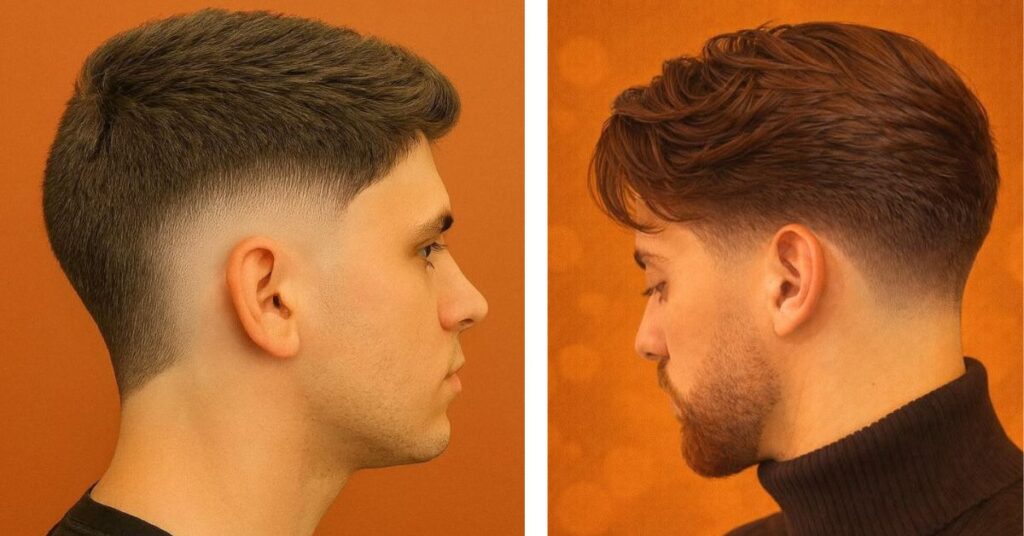
Reduces extreme contrast.
- Office safe
- Balanced proportions
- Controlled volume
19. Feathered Ends
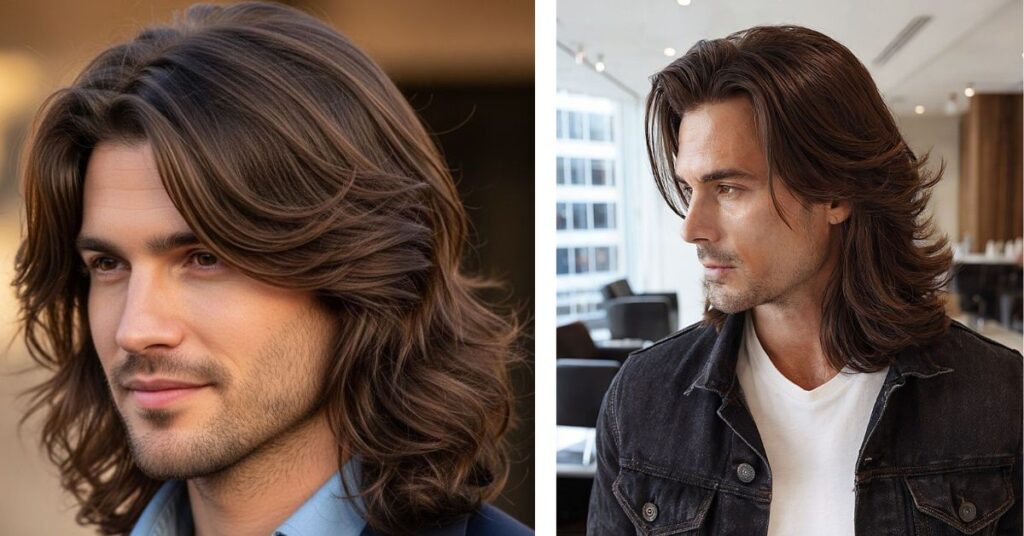
Lightens the perimeter.
- Airy movement
- Soft outline
- Natural fall
20. Creative Tone
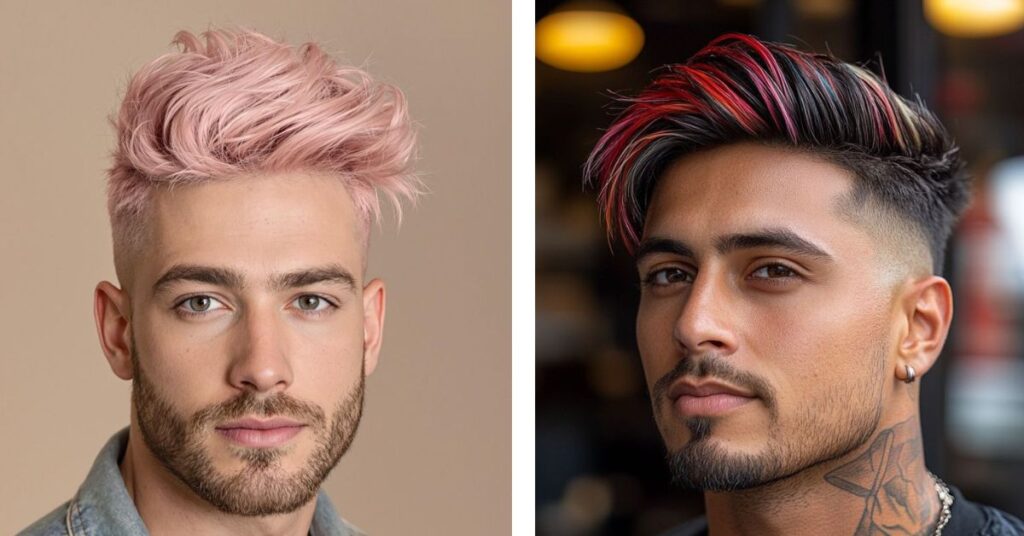
Adds subtle color dimensions.
- Depth enhancement
- Trend forward
- Highlights layering
21. Heavy Top
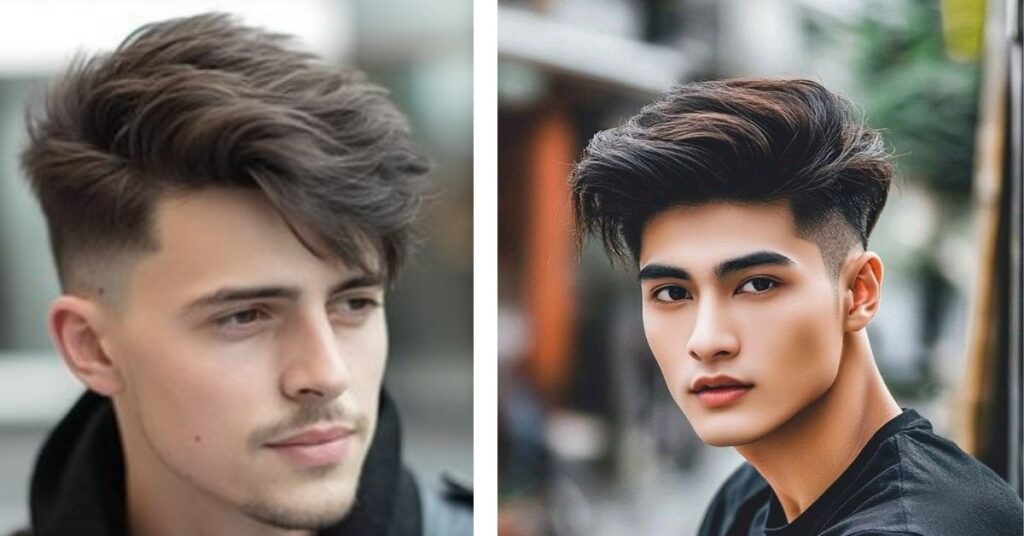
Maintains strong crown weight.
- Bold silhouette
- Thick strands
- Minimal layering
22. Casual Flow

Extends length toward the back.
- Effortless style
- Curtain friendly
- Modern shape
23. Precision Sculpted
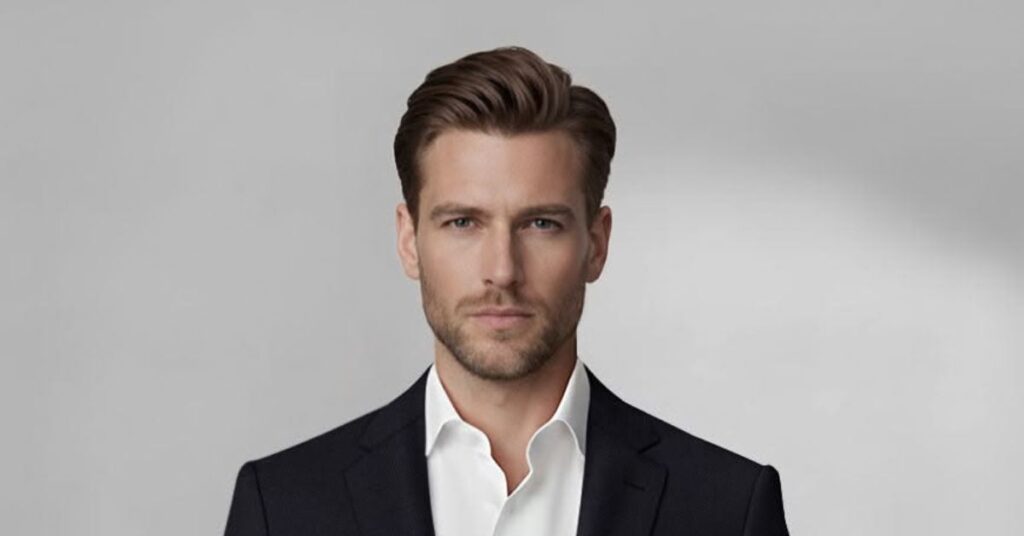
Combines taper and layering.
- Technical finish
- Balanced density
- Sharp outline
24. Temple Defined
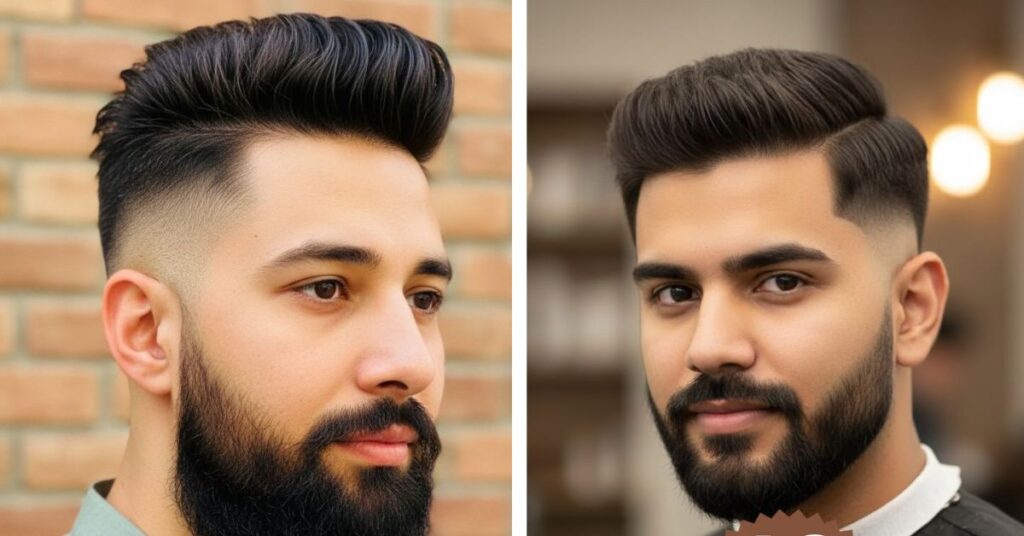
Refine side edges carefully.
- Clean profile
- Long-lasting shape
- Ideal coarse hair
25. Micro Texture
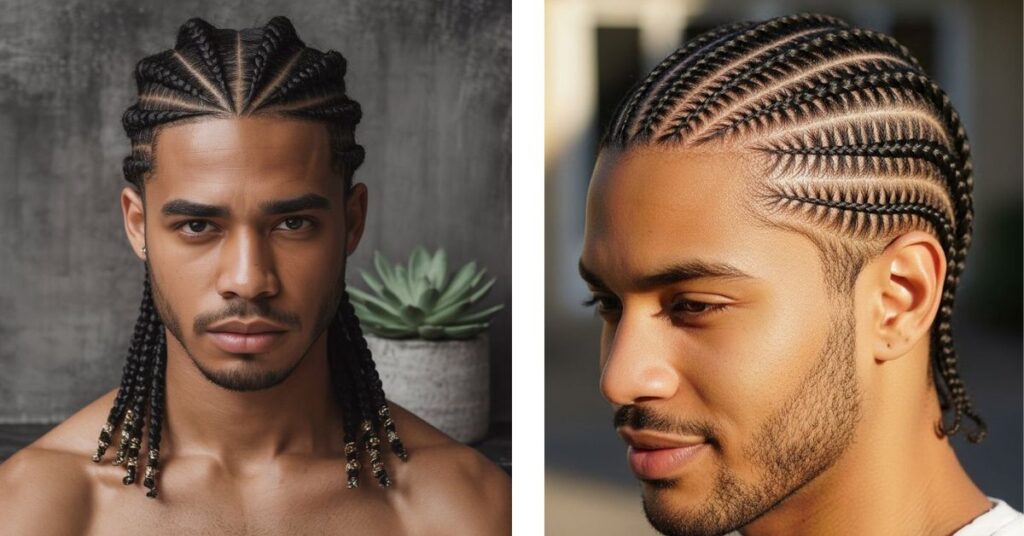
Adds subtle internal movement.
- Smooth surface
- Soft lift
- Hidden control
26. Soft Undercut
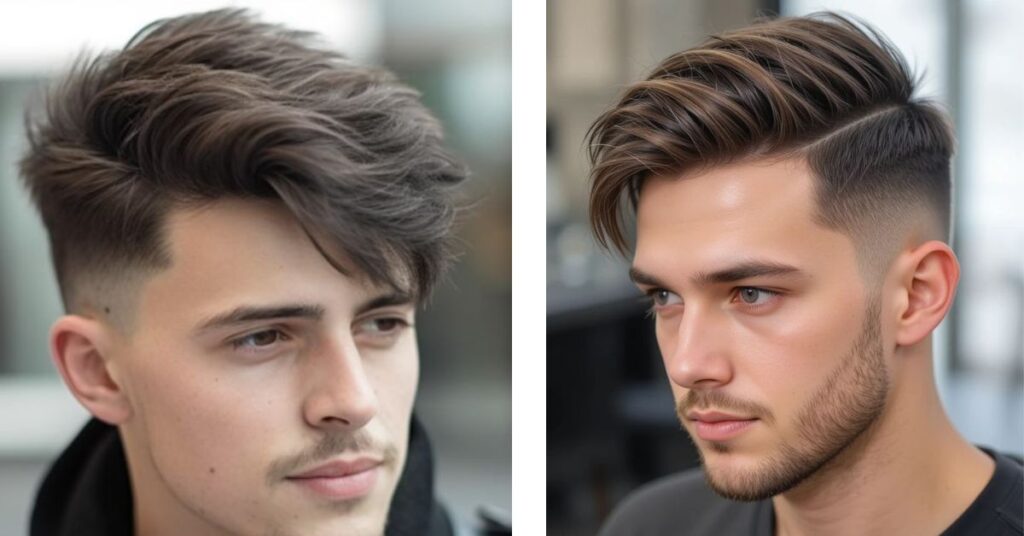
Maintains subtle disconnect.
- Balanced contrast
- Medium density fit
- Flexible styling
27. Wet Finish
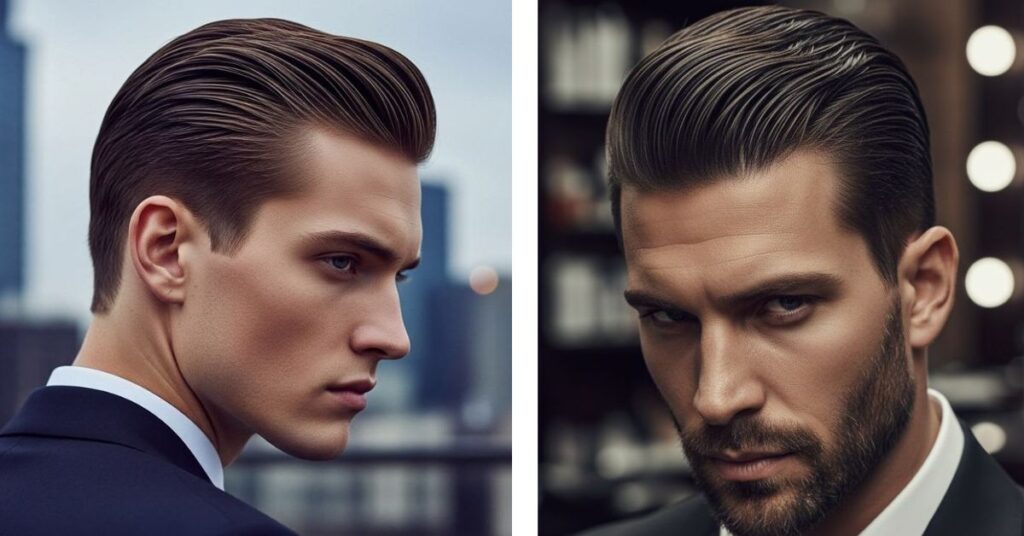
Applies shine product evenly.
- Defined separation
- Evening ready
- Strong hold
28. Straight Structured
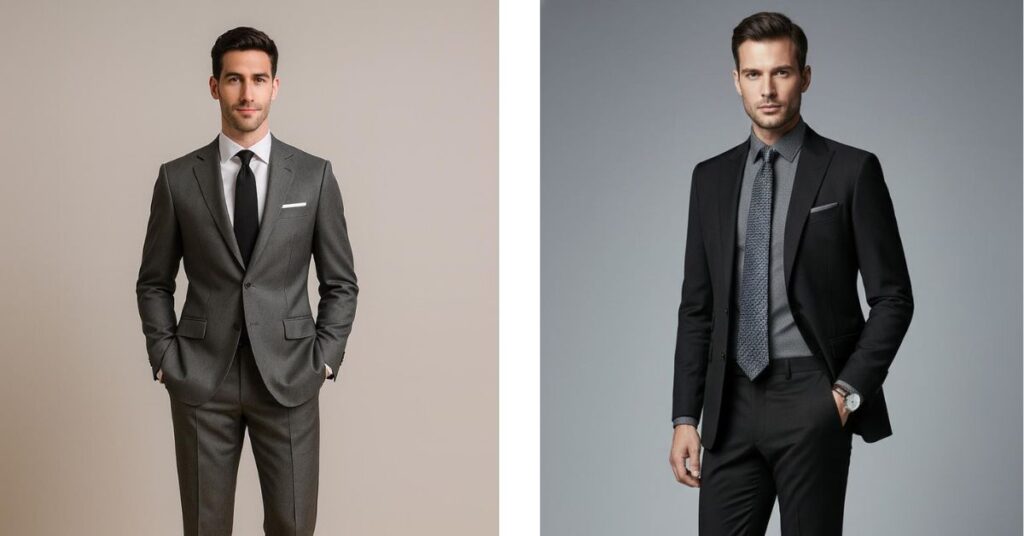
Keeps clean straight lines.
- Minimal movement
- Sharp structure
- Thick hair friendly
29. Relaxed Middle Part
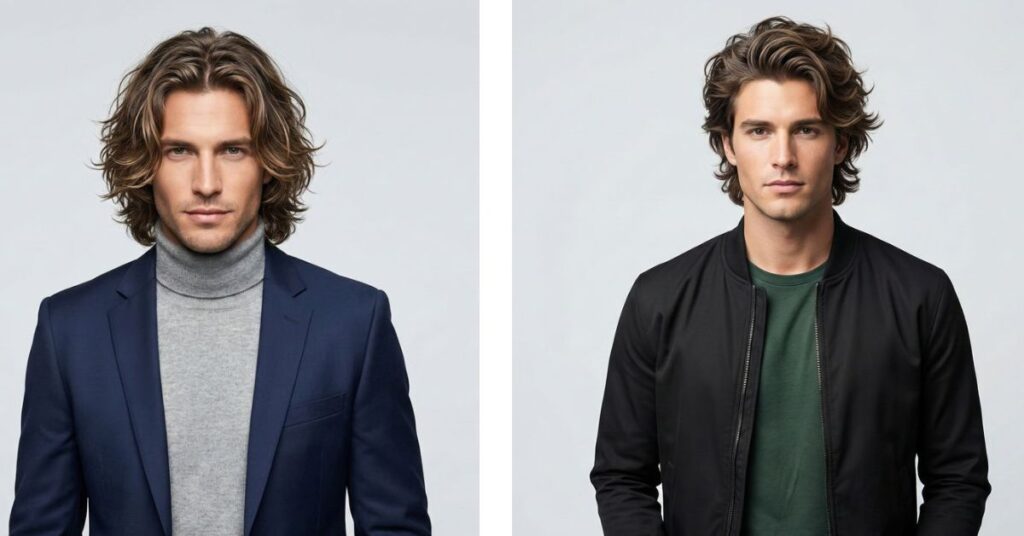
Open forehead naturally.
- Face framing
- Balanced length
- Trend adaptable
30. Elite Editorial

Focuses on layered precision and density science.
- Fashion forward
- Expert execution
- High impact
Best Face Shapes for This Cut
- Round → Choose volume and asymmetry
- Oval → Almost all variations work
- Square → Use soft transitions
- Long → Avoid extreme height
FAQs
Is this haircut high maintenance?
You should refresh it every 4–5 weeks. Proper internal thinning reduces frequent reshaping.
Does it work for thick hair?
Yes. You must manage density properly.
Can fine hair pull this off?
Yes. Use a low taper and volume-building layers.
Should I choose perm or natural?
Choose a perm if your hair collapses flat.
Does it suit professional environments?
Yes. Select a soft transition variation.
Conclusion
The two block haircut succeeds because it respects density, growth direction, and facial balance. When you combine structural cutting, side control, intelligent parting, and mid-cycle maintenance, you create a hairstyle that grows out cleanly and maintains its identity.

I’m the founder of BarberStyleHub and a men’s grooming enthusiast who’s spent years researching haircut trends, fade techniques, and styling methods — from classic slick backs to modern mullets and everything in between. Every guide I write is based on deep research into professional cutting and styling techniques, cross-checked with barbering fundamentals, so you know exactly what to ask your barber. My goal is simple: help every man find the right haircut and feel confident walking out of the chair.