
Introduction:
Walking into a barbershop can be confusing when you don’t know the lingo. The most common question guys ask is: “What is the difference between a taper and a fade?” While they look similar, the choice you make can completely change your look.
In short, a Taper is a gradual shortening that keeps your natural hairline, making it perfect for a classic, professional vibe. A Fade is much bolder, blending the hair directly into the skin for a sharp, high-contrast finish.
In this guide, we break down 9 trending styles—from the subtle Low Taper to the edgy Skin Fade. Whether you want a low-maintenance cut or a modern statement, this 18-point breakdown will help you find the perfect match for your face shape and lifestyle.
The Ultimate Comparison: Taper vs. Fade
When deciding between a taper and a fade, it is essential to understand how each technique affects your overall silhouette. A Taper is generally considered the more “conservative” of the two, as it follows the natural contours of your head and preserves the hairline. This makes it a go-to choice for men who need to maintain a professional appearance for work but still want a modern, groomed look. Since there is less skin exposed, tapers are also more forgiving if you have minor scars or bumps on your scalp that you’d prefer to keep hidden.
On the other hand, the Fade is all about precision and high-impact style. It is a more aggressive technique that requires a skilled hand with clippers to ensure the transition from hair to skin is perfectly “blurry” and seamless. Fades are ideal for those who want to stand out and are willing to put in the effort for regular maintenance. Because the hair is cut much shorter, fades tend to accentuate your facial features and jawline, making them a favorite for men who prefer an edgy, modern, or urban aesthetic.
Taper vs. Fade: Comparison Table
| Feature | Taper Haircut | Fade Haircut |
| Basic Definition | A gradual decrease in length that keeps the natural hairline. | A transition where hair is blended so short it disappears into the skin. |
| Skin Visibility | Minimum skin is shown; hair stays around the ears/neck. | High visibility; scalp is clearly exposed at the bottom. |
| Contrast Level | Subtle and natural. | Sharp, bold, and high-contrast. |
| Barber Tools | Often uses clippers with higher guards or scissors. | Uses clippers with zero guards, liners, or foil shavers. |
| Maintenance | Low (Looks good for 3–4 weeks). | High (Needs a trim every 10–14 days to stay sharp). |
| Overall Vibe | Professional, Classic, and Understated. | Modern, Edgy, and High-Fashion. |
| Hair Length on Sides | Usually 1/2 inch or longer at the shortest point. | Blended down to 0 (Skin/Bald). |
| Work Environment | Perfect for strict corporate or formal offices. | Great for creative, casual, or artistic workplaces. |
| Best Face Shape | Rectangular, Square, or Oval shapes. | Round, Heart, or Diamond shapes (adds structure). |
| Growing Out Phase | Grows out neatly and keeps its shape longer. | Can look messy or “fuzzy” quickly as stubble appears. |
Taper vs Fade Decoded: A Professional Guide to Your Next Transformation
Choosing between a taper and a fade can be a daunting task when you are sitting in the barber’s chair. While they might look similar to the untrained eye, these two techniques serve very different purposes in men’s grooming. One offers a subtle, professional evolution of your natural hair, while the other provides a sharp, high-contrast statement. In this guide, we will break down the mechanics of both and explore 9 iconic styles to help you master your next look.
1. What is the Core Difference Between Taper and Fade?
The fundamental difference between a taper and a fade lies in how the hair ends at the bottom. A Taper is a gradual change in hair length that follows the natural hairline. It usually starts with longer hair at the top and slowly gets shorter as it moves down to the ears and the nape of the neck, but it rarely exposes the scalp fully.
On the other hand, a Fade is much more dramatic. The “fading” effect is achieved by blending the hair into the skin, meaning the hair essentially disappears before it reaches the natural hairline. Fades are known for their “sharp” or “crisp” appearance, providing a high-contrast look that makes the hair on top appear much more voluminous and prominent.
2. Top Taper Hair Styles for a Classy Look
Taper haircuts are the gold standard for men who want a look that works both in the boardroom and at a casual dinner. They are versatile, sophisticated, and grow out much more gracefully than fades.
1: The Low Taper
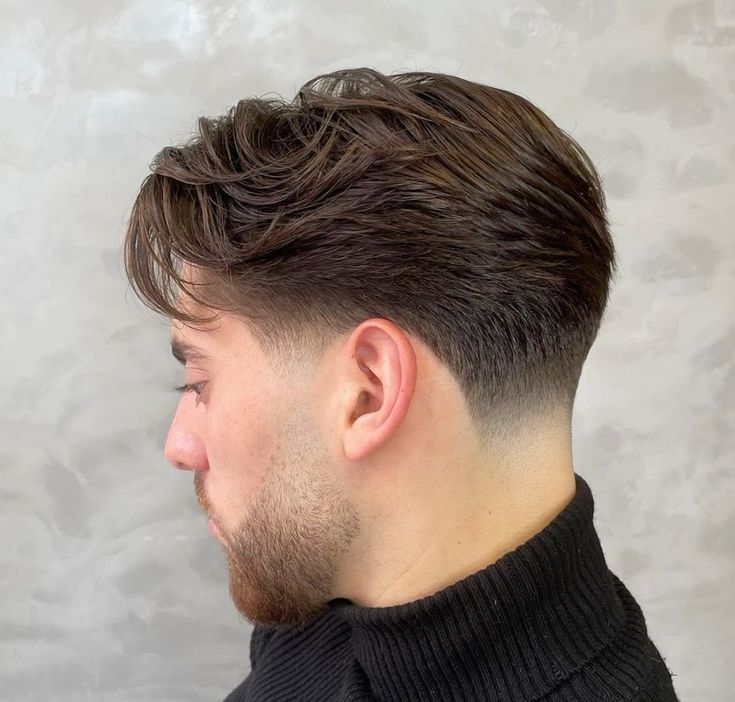
The Low Taper is the ultimate “clean-cut” style. It focuses strictly on the very edges of your hairline—specifically the sideburns and the bottom-most part of the neck. Because it leaves the majority of the hair on the sides intact, it provides a very natural and conservative look. It is the perfect choice for men with professional careers who want to look groomed without looking like they spent hours at a trendy salon.
2: The Mid Taper
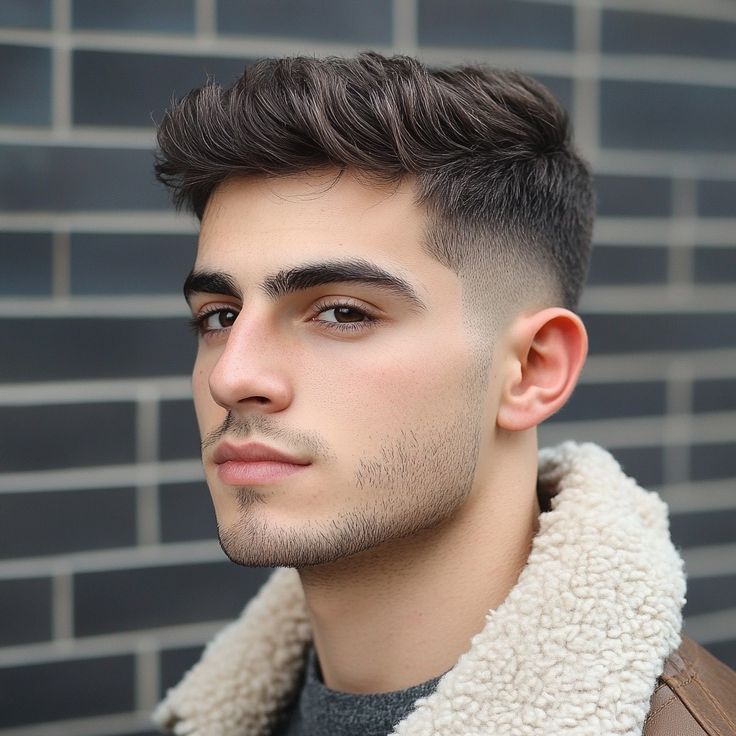
The Mid Taper is the “Goldilocks” of haircuts; it’s not too subtle and not too bold. Starting about an inch or two above the ears, it creates a clear but smooth transition. This style is highly recommended for men with wavy or curly hair, as it provides enough structure on the sides to keep the hair from looking “poofy” while maintaining a classic silhouette that suits almost any face shape.
3: The High Taper
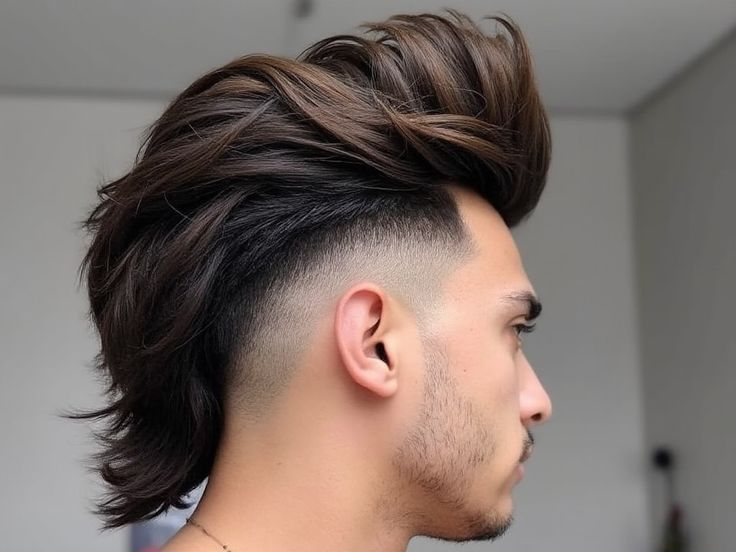
If you want the elegance of a taper but the visibility of a fade, the High Taper is your best bet. The blending starts much higher up, typically near the temple or the crown. This creates a more vertical and structured look on the sides, which helps in “slimming” the face. It pairs exceptionally well with a side part or a slicked-back hairstyle, giving off a strong, masculine vibe.
3. Modern Fade Hair Styles for an Edgy Vibe
Fades have dominated the grooming industry for the last decade. They are bold, require technical skill with clippers, and offer an urban edge that is hard to match with any other cut.
4: The Skin Fade
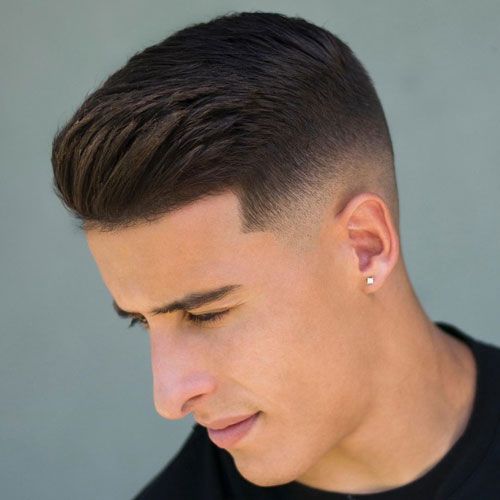
The Skin Fade is perhaps the most requested haircut in modern barbershops. In this style, the hair is tapered down until it reaches the bare skin. The result is a striking contrast between the dark hair on top and the light skin on the sides. It creates a very clean, “fresh” feel, but be warned: because the skin is exposed, you will need to visit the barber frequently to keep it looking sharp as the stubble grows back.
5: The Drop Fade
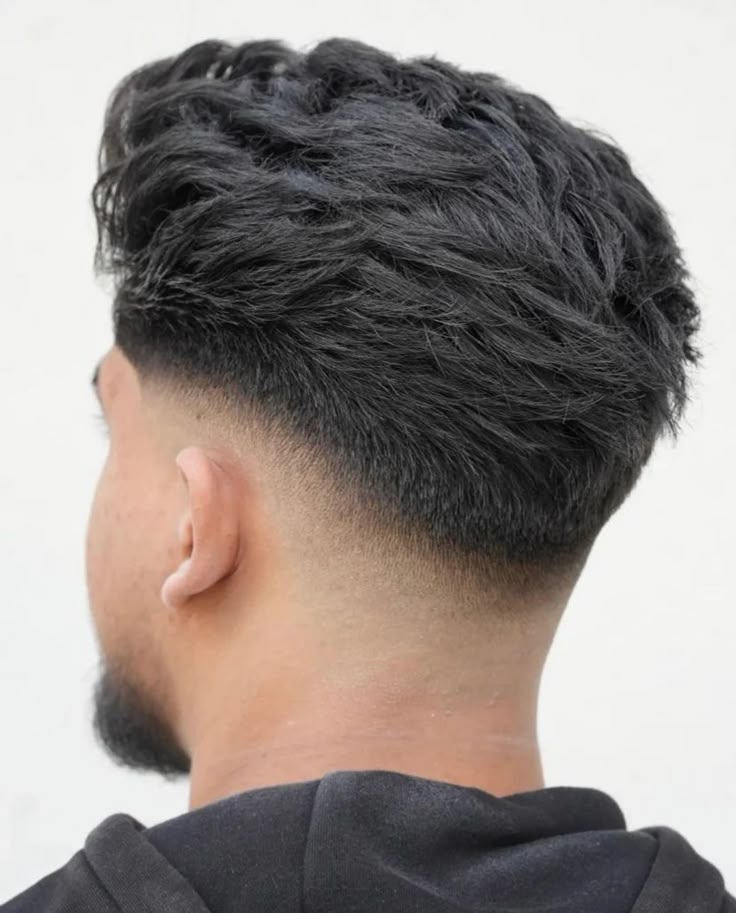
The Drop Fade is a creative variation where the fade line doesn’t go straight around the head. Instead, it “drops” behind the ear, following the natural curvature of the skull down to the nape of the neck. This creates a very modern, 360-degree aesthetic that looks great from every angle. It is particularly popular among men who want to add a bit of flair to their look without going for a traditional “flat” fade line.
6: The Burst Fade
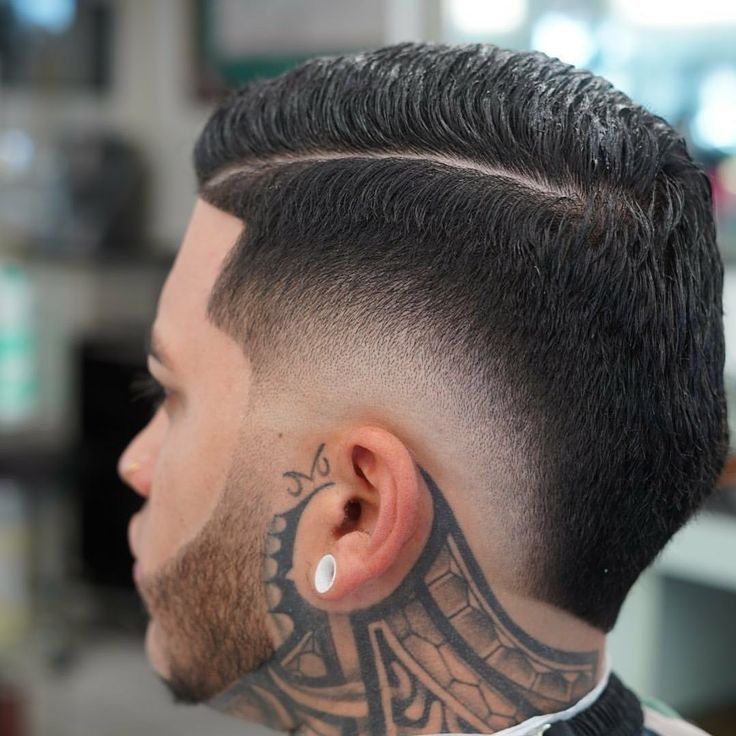
The Burst Fade is unique because it doesn’t wrap around the entire head. Instead, it “bursts” around the ear, leaving the hair at the back of the neck long. This style is the backbone of the “modern mullet” or the “South of France” haircut. It’s a favorite for athletes and performers who want an aggressive, high-energy look that stands out in a crowd.
4. Hybrid and Specialized Styles to Stand Out
As barbering evolves, new hybrid styles have emerged that mix elements of both tapers and fades to create something entirely new and functional.
7: The Temple Fade
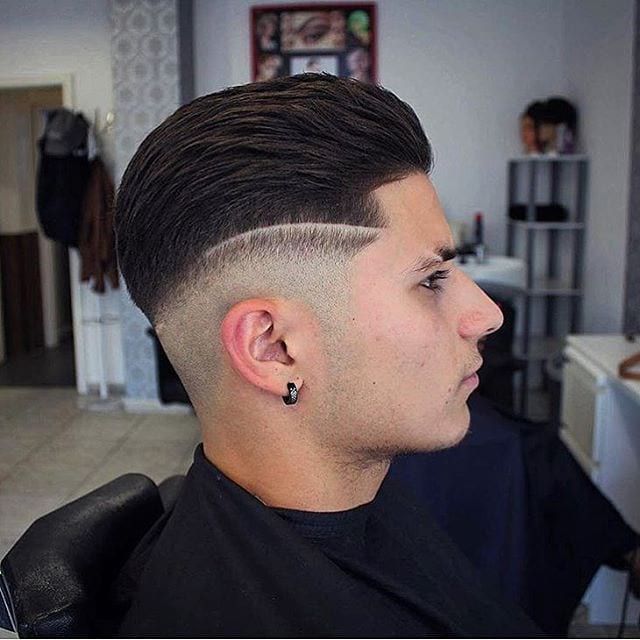
The Temple Fade is a surgical approach to grooming. It focuses exclusively on the temples and the sideburns, leaving the rest of the sides at a consistent length. It’s an excellent way to “frame” the face, especially for men who wear beards or have textured, afro-style hair. It provides a sharp corner at the forehead that instantly makes the entire haircut look more expensive.
8: The Taper Fade Hybrid
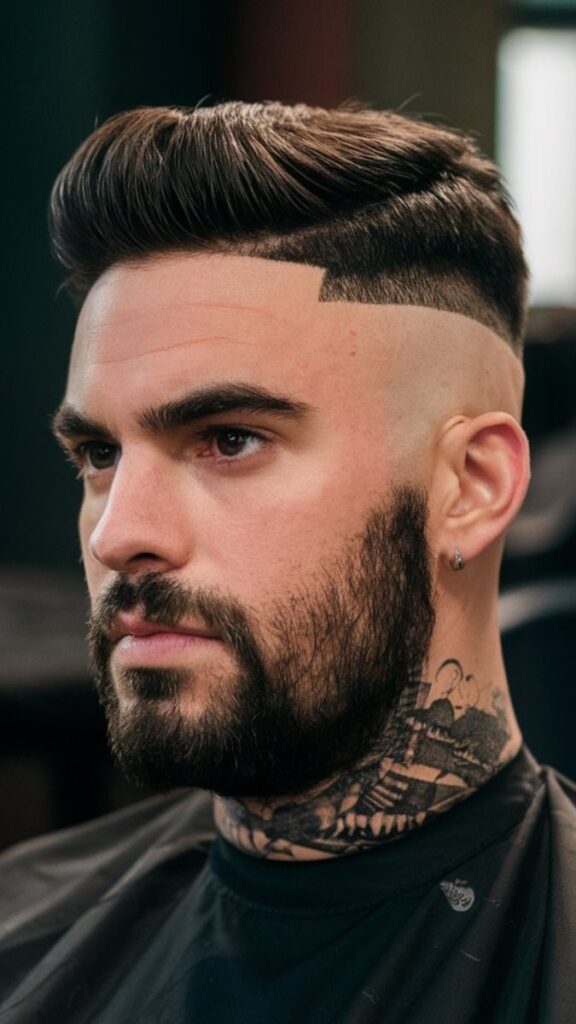
Often used interchangeably in conversation, the Taper Fade hybrid is a specific technique where the barber uses the soft blending of a taper through the bulk of the hair but finishes the very bottom edges with a skin-deep fade. This gives the wearer the smooth, classic growth of a taper with the crisp, clean finish of a fade at the sideburns and neck.
9: The Long Hair Taper
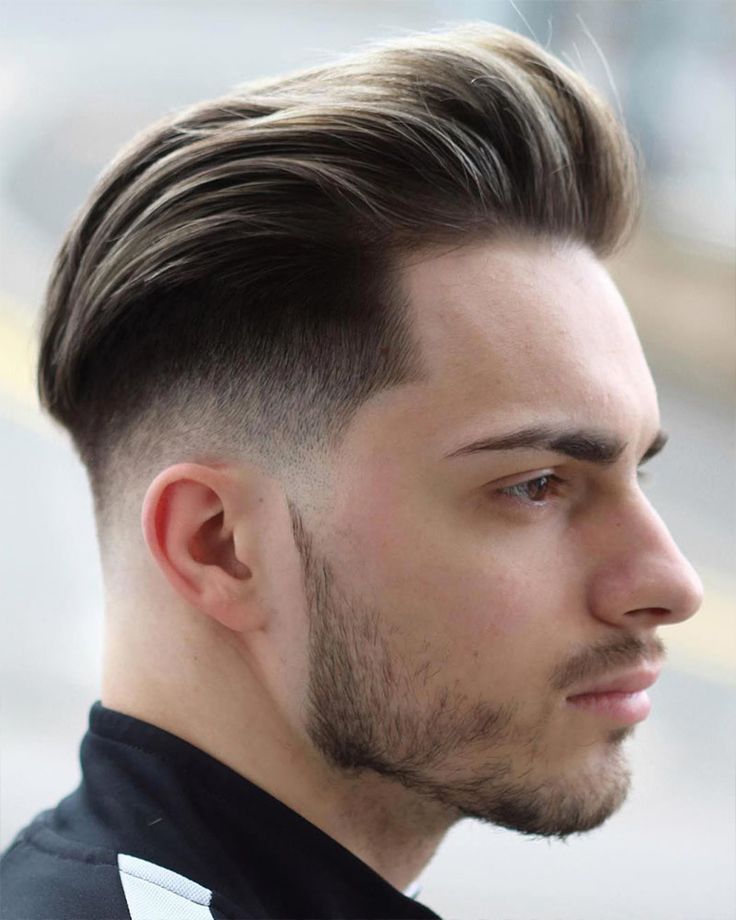
Long hair on men is back in style, but it can easily look unkempt. The Long Hair Taper solves this by keeping the length on top and the upper sides while tapering the hair around the ears and neck. This allows you to tuck your hair behind your ears or tie it in a bun while ensuring that the “edges” of your style remain sharp and intentional.
5. How to Choose Based on Your Face Shape?
Your face shape should be the ultimate deciding factor. Round faces are best served by High Fades, as the short sides provide a slimming effect and the height on top adds length to the face. Square faces have strong jawlines that are highlighted beautifully by Mid Tapers. If you have an Oval face, you are lucky—almost any variation of the taper or fade will suit your balanced proportions, allowing you to experiment with more aggressive styles like the Drop Fade.
6. Maintenance: How Often Should You Visit Your Barber?
The “hidden cost” of a great haircut is the time spent in the chair. A Skin Fade or High Fade looks its best for only about 7 to 10 days. After that, the hair growth begins to blur the sharp lines. If you are a busy person who can only visit the barber once a month, a Taper is a much better investment. Tapers grow out “naturally,” meaning as the hair gets longer, the shape of the haircut remains intact for a much longer period.
7. Essential Hair Products for Taper and Fade
The right product can make a $20 haircut look like a $100 one. For Fades, you want to emphasize the texture on top; use a Matte Clay or Fiber for a modern, non-greasy finish. For Tapers, which often involve longer hair, a Lightweight Cream or Sea Salt Spray is ideal. These products provide a “soft hold,” allowing the hair to move naturally while keeping the tapered sides looking neat and controlled.
8.Conclusion: Which One is Right for You?
At the end of the day, the choice between a taper and a fade depends on your personality and your lifestyle. If you want a style that is low-maintenance, professional, and classic, the Taper is your best friend. However, if you want to be at the forefront of fashion with a sharp, high-contrast look that defines your features, the Fade is the way to go. Whichever you choose, make sure to bring a photo of one of the 9 styles mentioned above to your barber to ensure you both are on the same page!
Frequently Asked Questions (FAQs)
1. Which is better for a professional look, a taper or a fade?
Choose a Taper if you work in a strict corporate or professional environment. This cut keeps your natural hairline and hides the scalp, providing a clean, polished, and conservative look. If you prefer a Low Fade, you can still maintain a professional vibe by styling the hair on top with a neat side part or pomade.
2. How often do I need to get a fade touched up?
A fade is a high-maintenance haircut. Because the contrast between the skin and the hair is what makes it look “sharp,” you will likely need a touch-up every 10 to 14 days. Once the hair begins to grow back on the shaved areas, the “blurry” effect of the fade starts to disappear.
3. Can I get a taper if I have curly hair?
Absolutely! In fact, a Taper is one of the best choices for curly-haired men. It allows you to maintain the volume and texture of your curls on top while keeping the edges around your ears and neck clean. This prevents the hair from looking too bulky or “poofy” on the sides as it grows out.
4. What should I tell my barber if I’m not sure which one I want?
The best approach is to tell your barber how much skin you want to show. If you want a subtle look where the hair just gets shorter at the edges, ask for a “Classic Taper.” If you want a bold look with high contrast where the skin is visible, ask for a “Mid or Skin Fade.” Always showing a reference photo is the most effective way to communicate.
5. Does a fade make your hair look thicker?
Yes, a fade is a great trick to make the hair on top appear thicker and more voluminous. By cutting the sides extremely short (down to the skin), you create a massive contrast. This draws all the visual attention to the top of your head, making even slightly thin hair look denser and fuller.
Conclusion:
Choosing between a Taper and a Fade ultimately comes down to your personal style, face shape, and how much time you are willing to spend in the barber’s chair. There is no right or wrong answer—only the look that makes you feel the most confident.
If you prefer a timeless, professional, and low-maintenance look that grows out naturally, the Taper is your best friend. It’s a safe yet stylish choice that works in every setting, from the office to a weekend wedding. On the other hand, if you want a modern, sharp, and high-impact statement that defines your facial features, the Fade is the clear winner. Just remember that the boldness of a fade comes with the responsibility of regular touch-ups to keep that “fresh out of the shop” look.
Before your next appointment, take a second look at the 9 hair styles we covered and save a photo of your favorite one to show your barber. Communication is key, and a picture is worth a thousand words when it comes to getting the perfect blend. Whether you go for a subtle Low Taper or a daring Skin Fade, own your new look with confidence!
