Introduction:
When it comes to mens black fade haircuts, the style is more than just a trend—it is a cultural staple that defines sharp grooming. The unique texture and versatility of Black hair provide the perfect canvas for a fade, allowing for a level of precision and contrast that is hard to achieve with any other hair type. Whether you are aiming for a clean, professional aesthetic or a bold, edgy street style, a well-executed fade can instantly elevate your entire look.
However, with so many variations available—from the subtle Low Fade to the eye-catching High Top—choosing the right one can be overwhelming. The secret to a great haircut lies in understanding how different fades complement your face shape, hair length, and personal lifestyle.
In this comprehensive guide, we have curated the finest fade styles for Black men. We’ll break down the most popular techniques, explain the maintenance required for each, and help you find the perfect cut that keeps you looking sharp.
1. The Low Fade

The Low Fade is the ultimate choice for men who want a clean, professional look without being too flashy. This cut begins just above the ear and curves around the hairline to the nape of the neck. It provides a subtle transition from thick hair to skin, making it perfect for office environments or formal events. It works exceptionally well with a sharp line-up to define the forehead.
2. The Mid Fade

The Mid Fade offers a perfect middle ground, starting at the temple area or the midpoint of the head. This style is highly popular because it creates a clear contrast between the volume on top and the shaved sides. It is versatile enough to be paired with 360 waves, curls, or a simple buzz cut, offering a balanced silhouette that suits almost every face shape.
3. The High Fade
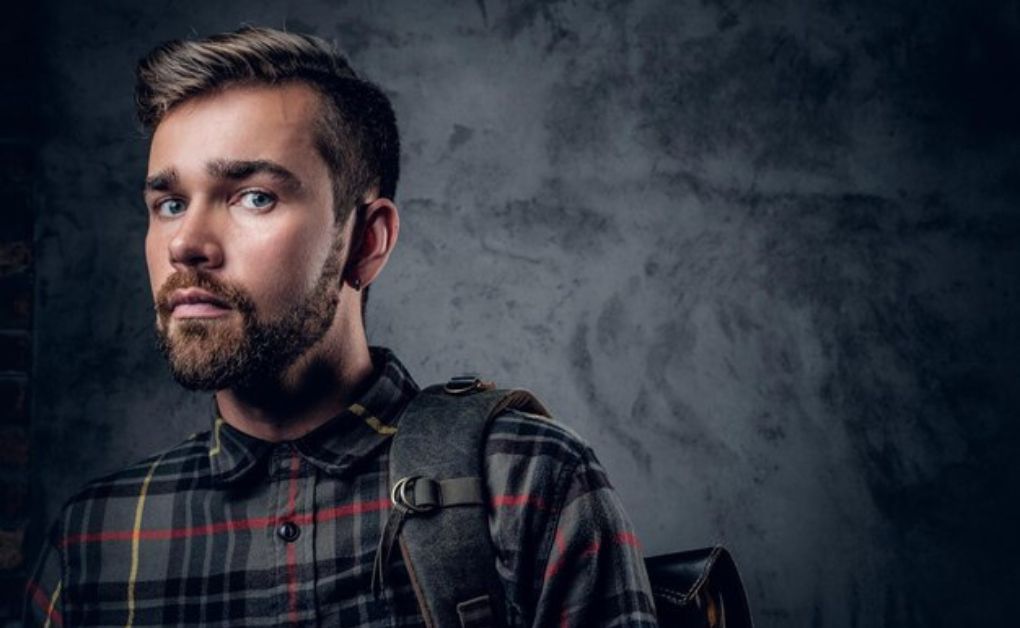
For those who want a bold, high-contrast aesthetic, the High Fade is the go-to style. The blending starts much higher up on the head, usually near the crown or the temples. This draws all the attention to the hair on top, making it an ideal companion for voluminous styles like twists, high-tops, or long sponges. It’s a sharp, edgy look that makes a strong statement.
4. The Taper Fade

The Taper Fade is often confused with a regular fade, but it is more conservative. Instead of fading the entire side of the head, it focuses specifically on the sideburns and the neckline. This allows you to maintain more hair length on the sides while still enjoying that “fresh out of the barber chair” crispness. It’s a timeless classic for Black men who prefer a more natural look.
5. Skin Fade (Bald Fade)

The Skin Fade, also known as the Bald Fade, is for the man who wants maximum precision. The hair is tapered down until it completely disappears into the skin. This creates a dramatic “pop” for whatever style you have on top. Because it exposes the scalp, it requires a skilled barber to ensure the transition is smooth and free of any visible lines.
6. High Top Fade

A tribute to the golden era of hip-hop, the High Top Fade remains a cultural icon. It features significant length and volume on top, cut into a flat or slightly rounded shape, with the sides faded short. This style celebrates the natural height and structure of Afro-textured hair and is perfect for those who want to stand out in a crowd.
7. Drop Fade

The Drop Fade gets its name from the way the fade line “drops” behind the ear as it moves toward the back of the head. Unlike a traditional fade that follows a straight horizontal line, the drop fade follows the natural anatomy of the skull. This creates a unique, curved look that adds a modern twist to the classic fade.
8. Burst Fade

Commonly seen on athletes and trendsetters, the Burst Fade focuses on a circular area around the ear. The rest of the hair, including the back, is usually left longer. This is the primary fade used for the “South of France” haircut or the modern Frohawk. It gives a rugged, sporty vibe that is very popular in urban fashion.
9. Temp Fade (Temple Fade)
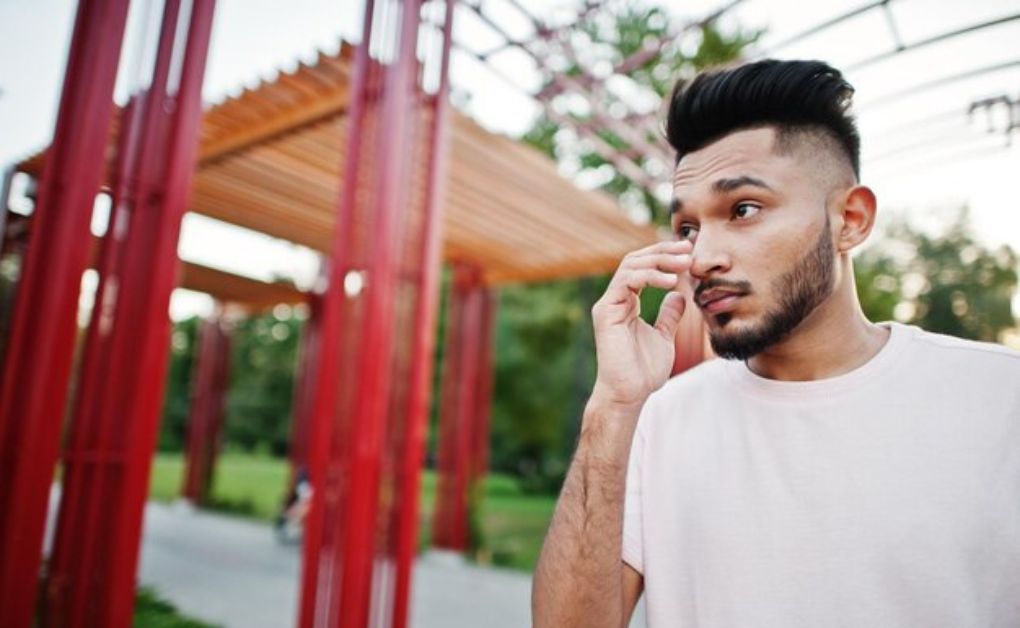
The Temp Fade is a localized fade that targets the temples and sideburns. It is often combined with a “Shape-Up” or “Line-Up” to create sharp, geometric angles around the face. It’s a great way to add definition to your look without committing to a full-head fade, and it pairs perfectly with a well-groomed beard.
10. 360 Waves with Fade
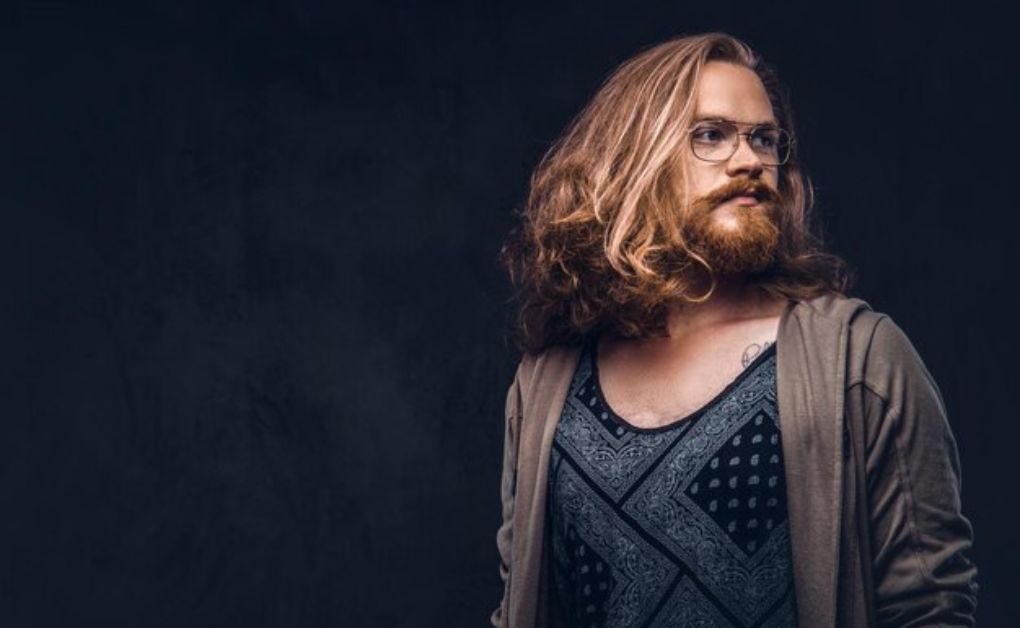
360 Waves combined with a fade is one of the most sought-after looks for Black men. The deep, rippling wave pattern on top requires dedicated brushing and maintenance, and a clean fade on the sides makes those waves “pop” even more. Usually, a low or mid fade is preferred here to keep the focus on the wave texture.
11. Curls with Drop Fade
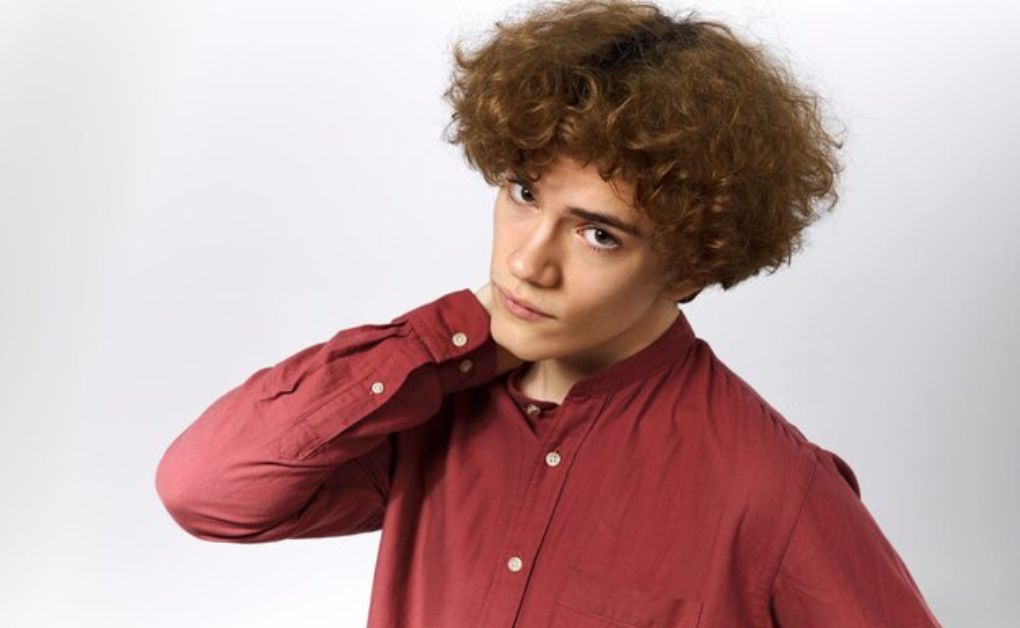
This style is perfect for showcasing natural hair texture. The mens black fade allows your natural ringlets or coils to take center stage on top, while the fade line “drops” low behind the ear. This creates a clean, intentional look that prevents the hair from looking messy around the edges while maintaining a soft, voluminous top.
12. Sponge Twists with Mid Fade
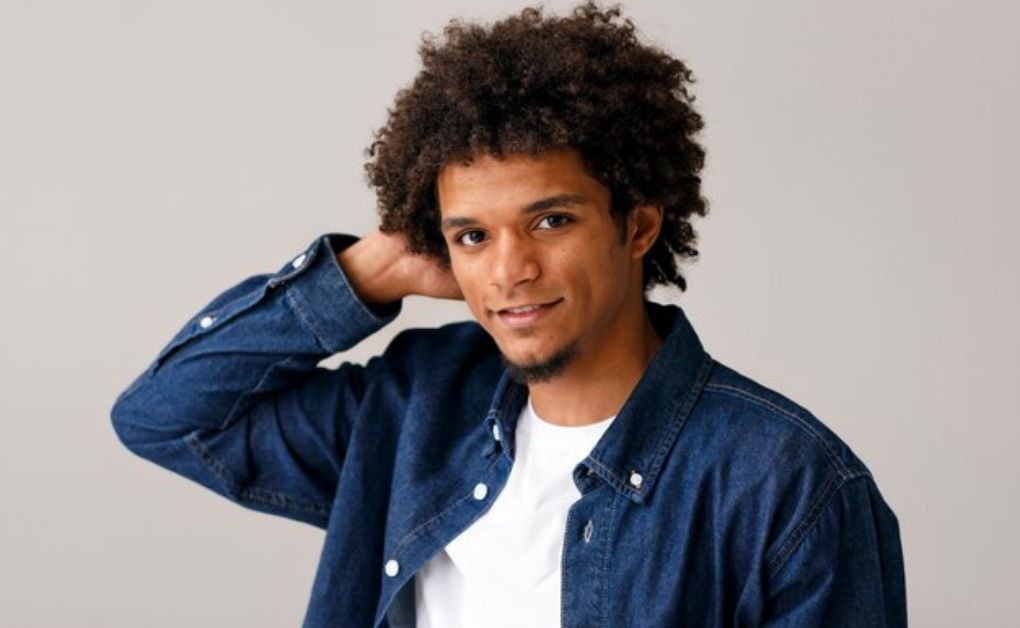
The Sponge Twist is a staple for Black men with short to medium-length hair. By using a styling sponge, you create defined, small twists that add incredible texture. Pairing this with a Mid Fade provides a structured frame for the hair, making the twists look sharp and well-maintained rather than overgrown.
13. Short Curls with Low Taper
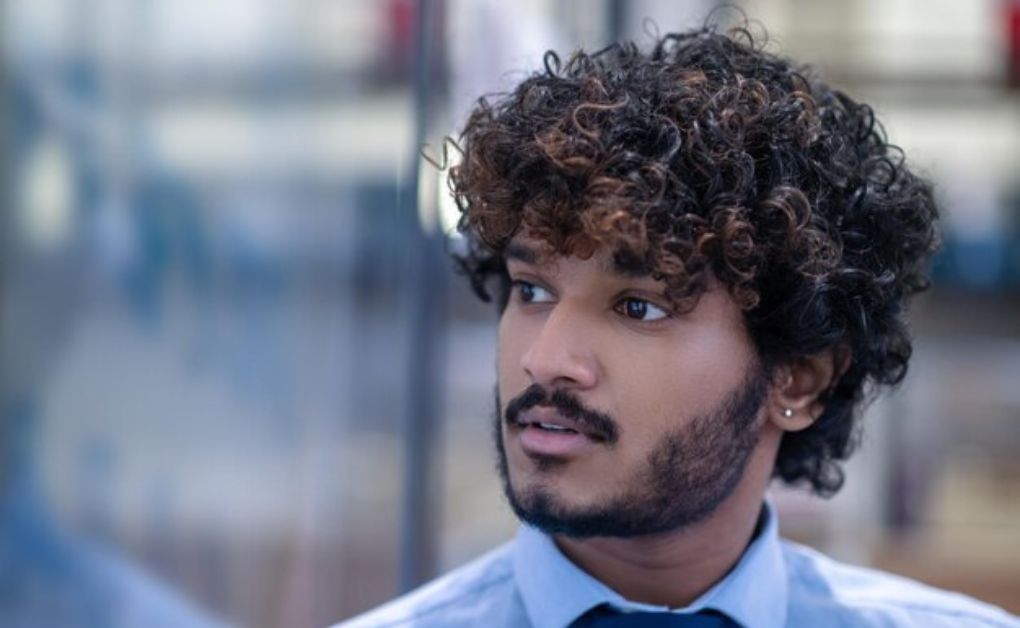
For the man who prefers a minimalist, low-maintenance lifestyle, the Short Curls with Low Taper is the answer. The hair on top is kept at a uniform, manageable length, while the taper focuses only on cleaning up the sideburns and the nape. It’s a professional, clean-cut look that requires very little daily styling.
14. Frohawk with Burst Fade
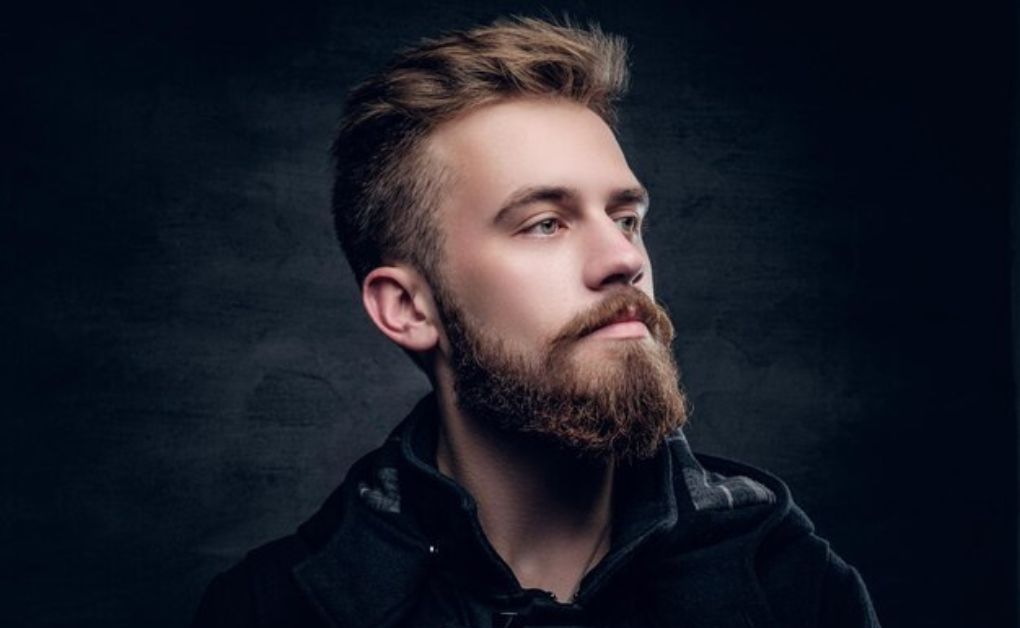
The Frohawk is a modern, afro-textured version of the classic Mohawk. Instead of a thin strip, the natural hair runs down the center of the head. The Burst Fade is used on the sides to create a circular transition around the ears, giving the haircut an aggressive, sporty, and stylish silhouette that is popular among athletes.
15. Dreadlocks with High Fade
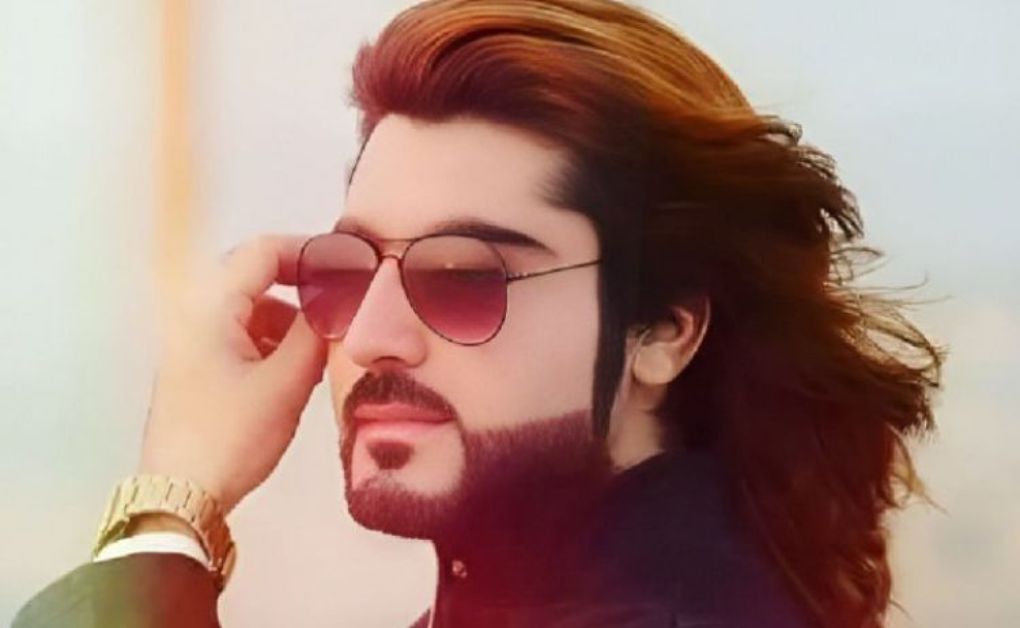
Dreadlocks with a High Fade (often called a “High Top Locs” look) is a brilliant way to manage long hair. By shaving the sides high up to the crown, you reduce the weight of the locs and keep the face looking open and sharp. This style is highly versatile, as the locs can be worn down, tied back, or styled into buns.
16. Short Locs with Drop Fade
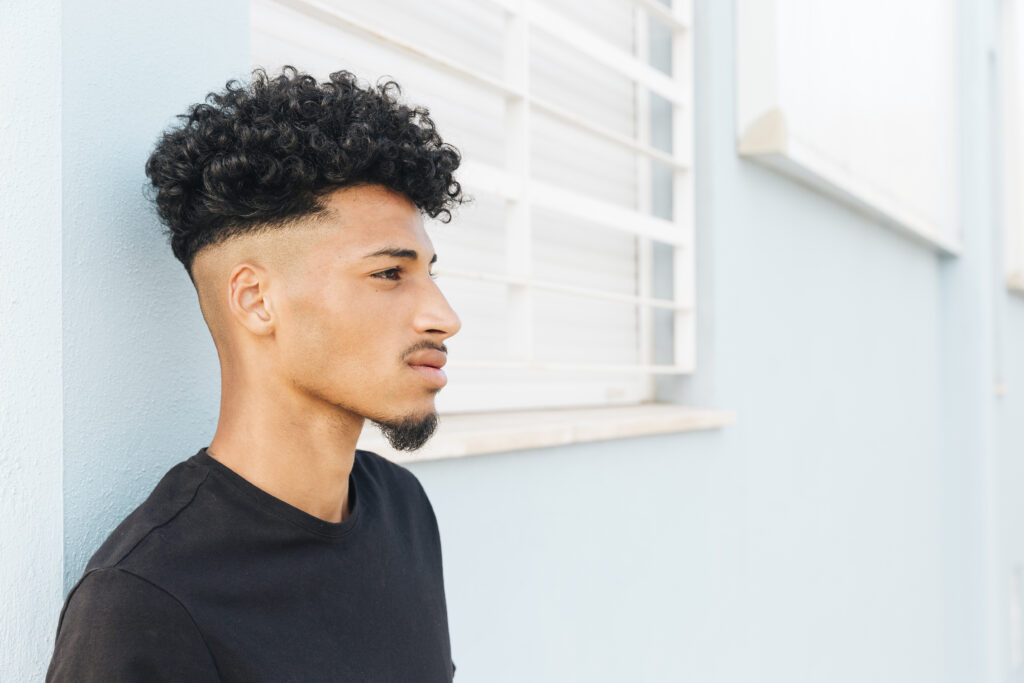
If you are in the “starter” phase of your loc journey, the Short Locs with Drop Fade is a great transition style. The drop fade adds a contemporary touch to the back of the head, ensuring that even as your locs are maturing and finding their shape, your overall haircut remains crisp and intentional.
17. Box Braids with Taper Fade
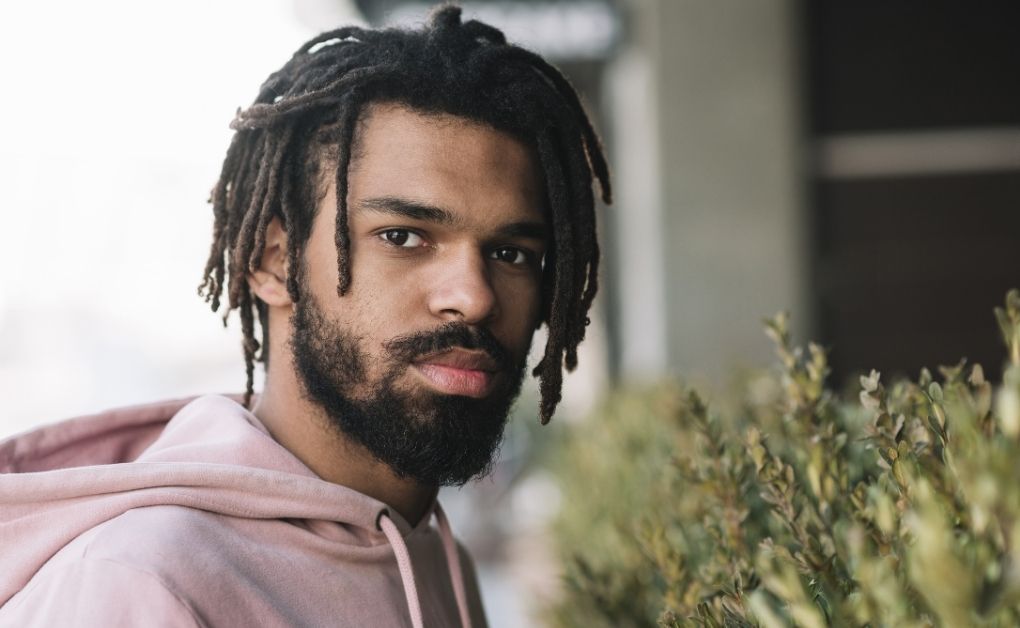
Box Braids are a protective style that never goes out of fashion. Adding a Taper Fade to the perimeter of the head ensures that the hairline remains sharp and clean. This prevents the “fuzzy” look that can happen as braids age, allowing you to keep the style in for longer while still looking groomed.
18. Man Bun with Fade
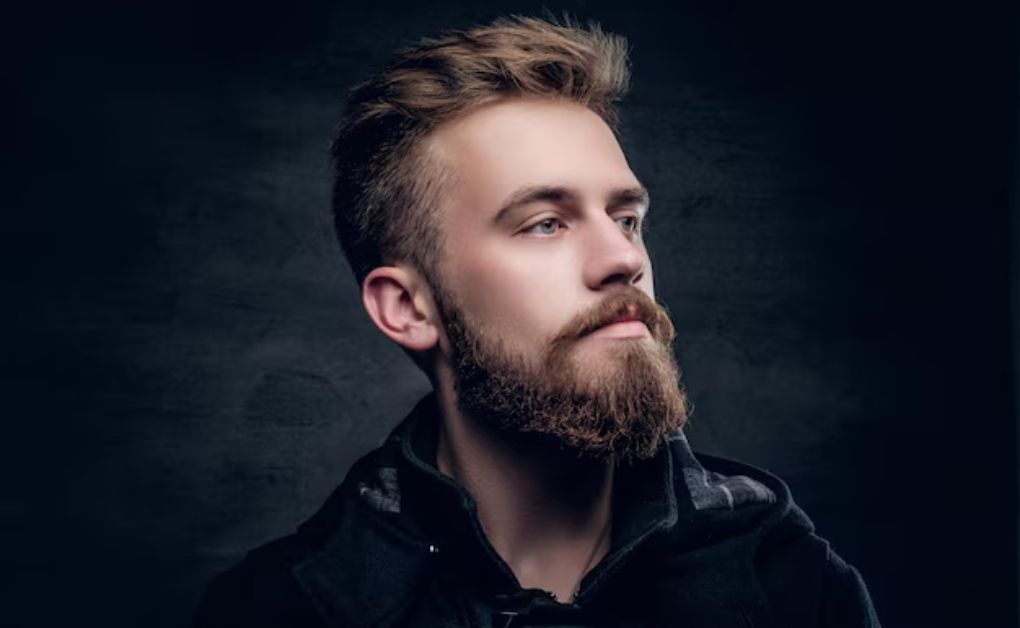
The Man Bun with Fade is for the man with significant length who wants a high-fashion, urban look. The hair is pulled into a top knot or bun, while the sides are faded (usually a high or skin fade) to create a dramatic contrast. It’s a bold choice that highlights the jawline and facial features.
19. Twist Out with Skin Fade
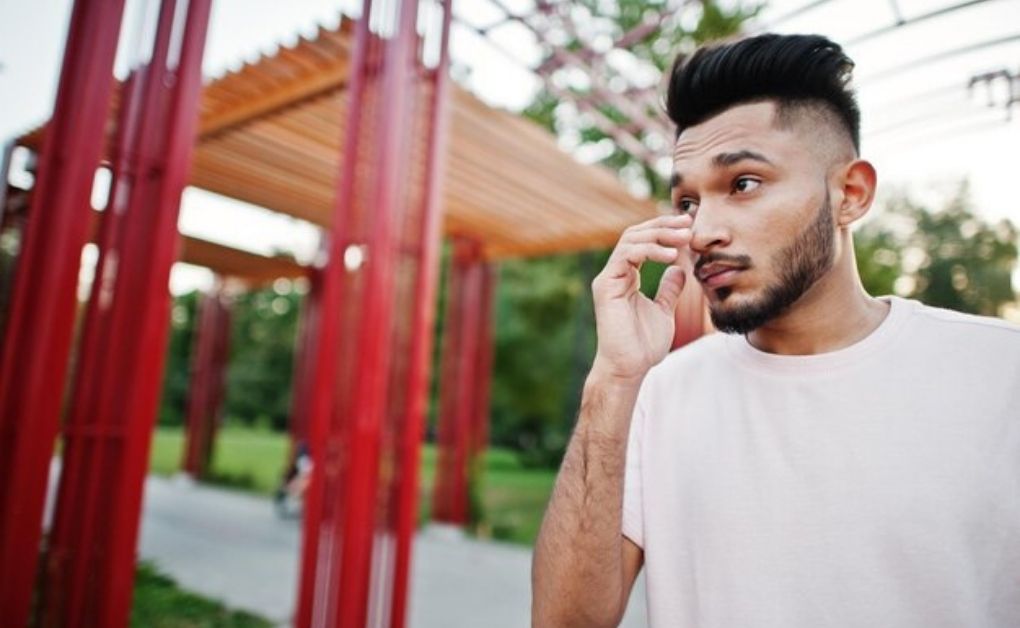
A Twist Out involves unraveling two-strand twists to create a highly defined, wavy texture. When paired with a mens black fade, the transition from the textured, voluminous hair to the bare skin creates a striking visual. It is an excellent way to show off the natural curl pattern of Type 4 hair.
20. Fade with Line-Up (Shape-Up)
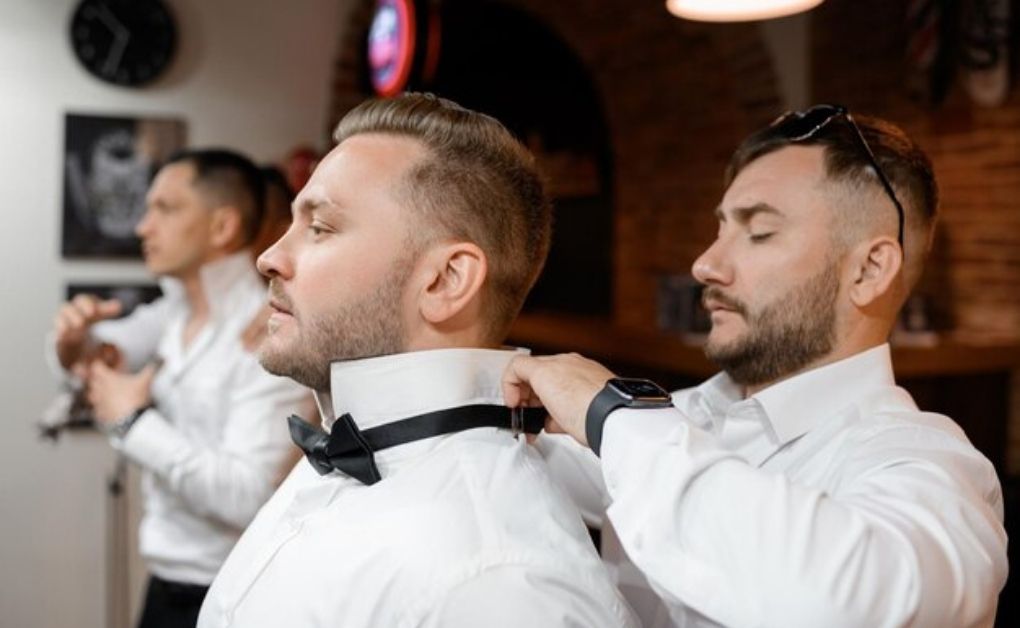
While almost every fade includes a line-up, making it the focal point is a style in itself. The Line-Up uses a straight razor or precision clippers to create perfectly straight lines and 90-degree angles at the temples. This “boxed” look is the hallmark of high-end barbering and is essential for a truly sharp Black fade.
21. Surgical Line Fade
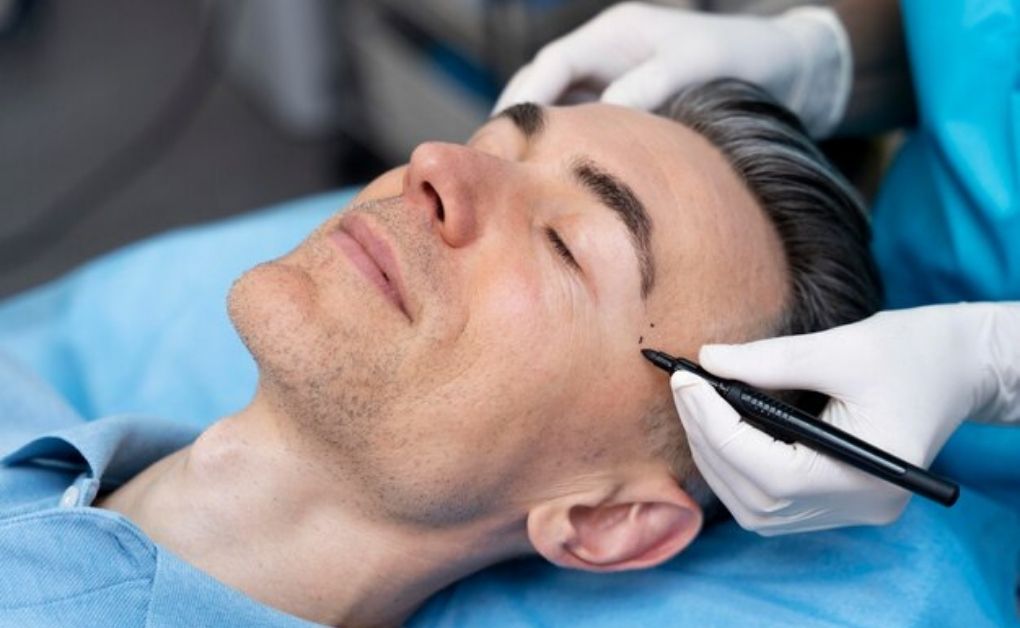
The Surgical Line Fade is for the man who wants to add a personal touch to his haircut. It involves a razor-sharp line being shaved into the fade, usually on the side or near the temple. This “slash” creates a disconnected look that is incredibly popular in modern streetwear and adds an extra layer of sharpness to a standard skin fade.
22. Geometric Designs with Fade

If you view your hair as a canvas, Geometric Designs are the way to go. Expert barbers can shave intricate patterns—ranging from simple zig-zags to complex 3D shapes—directly into the faded sides. This style is high-maintenance but ensures that your haircut is a unique piece of art that no one else has.
23. Hard Part Fade
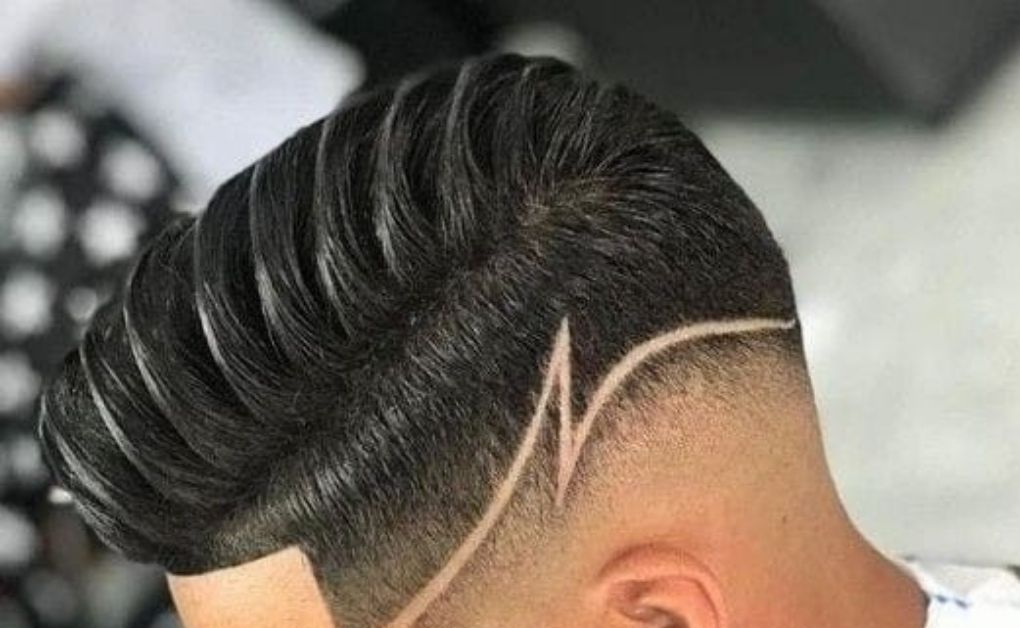
The Hard Part Fade features a distinct, shaved line that separates the longer hair on top from the faded sides. Unlike a natural part, the “Hard Part” is cut with clippers to make it permanent and highly visible. It works exceptionally well with buzz cuts or short curls, giving the hair a structured, symmetrical look.
24. Nape Fade
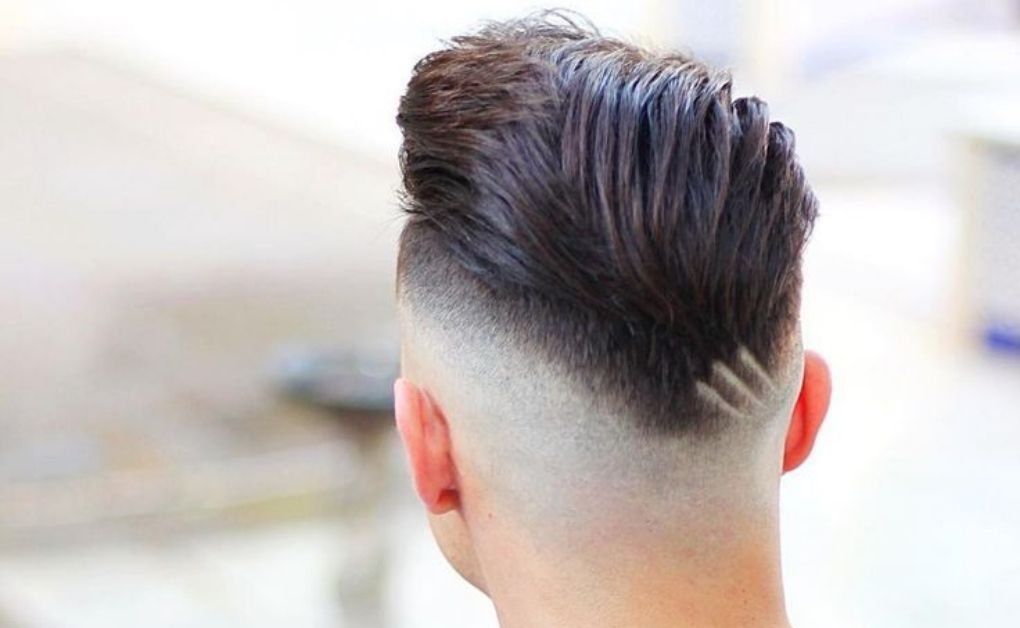
The Nape Fade is a specialized technique that focuses exclusively on the very back of the neck. Instead of a blocked or rounded neckline, the hair is tapered into the skin. This is a great choice for men who want their haircut to grow out more naturally and look “cleaner” for a longer period of time.
25. Beard Fade (The Connected Look)
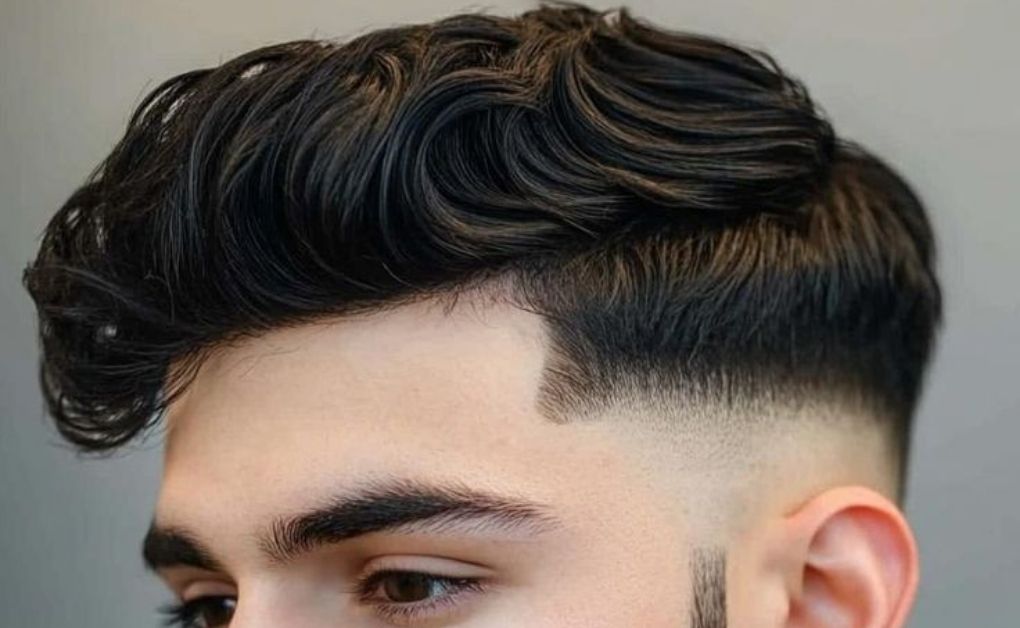
The Beard Fade is all about the seamless transition between the hair on your head and your facial hair. The sideburns are faded out to the skin and then faded back in to the beard. This creates a unified, groomed appearance that frames the face perfectly and is currently one of the biggest trends in men’s grooming.
26. Mohawk Fade
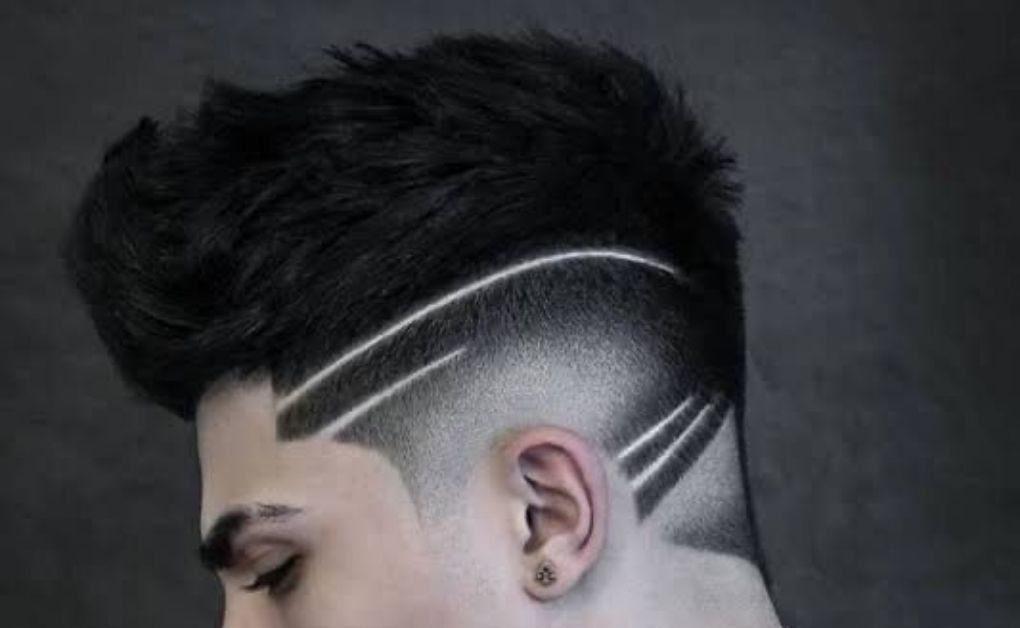
The Mohawk Fade for Black men utilizes the natural density of the hair to create a wide, textured strip from the forehead to the nape. Unlike the thin European mohawk, this version is thicker and more voluminous. The sides are usually taken down to a high skin fade to emphasize the height of the hair.
27. Shadow Fade
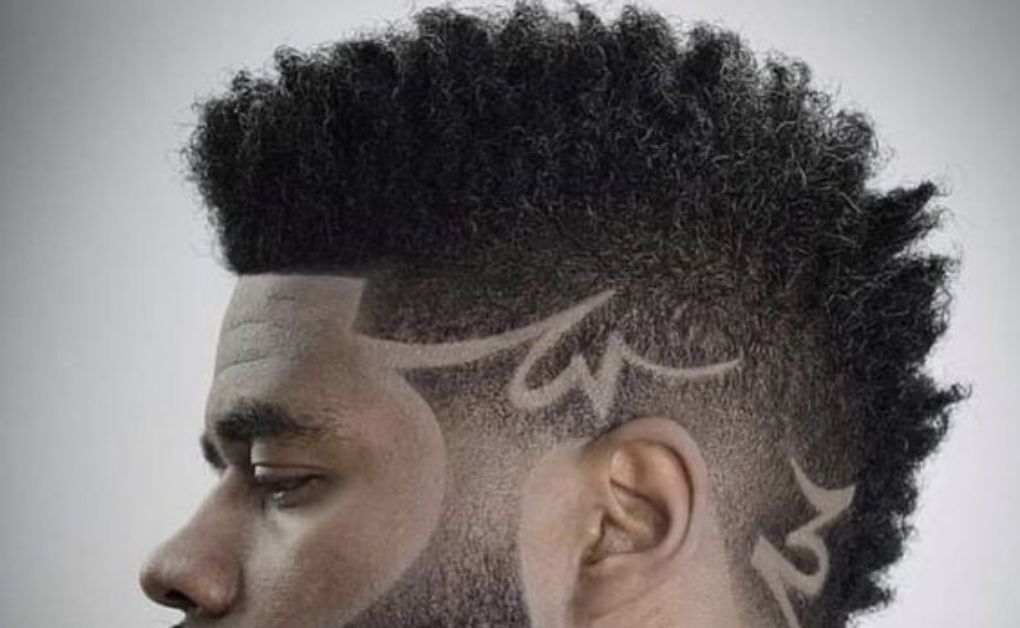
The Shadow Fade is a masterclass in blending. Unlike a skin fade that goes down to the scalp, a shadow fade leaves a very short layer of hair throughout. The result is a smooth, smoky transition from light to dark without any harsh lines. It’s perfect for men with sensitive skin who want to avoid a razor on their scalp.
28. Buzz Cut with High Fade
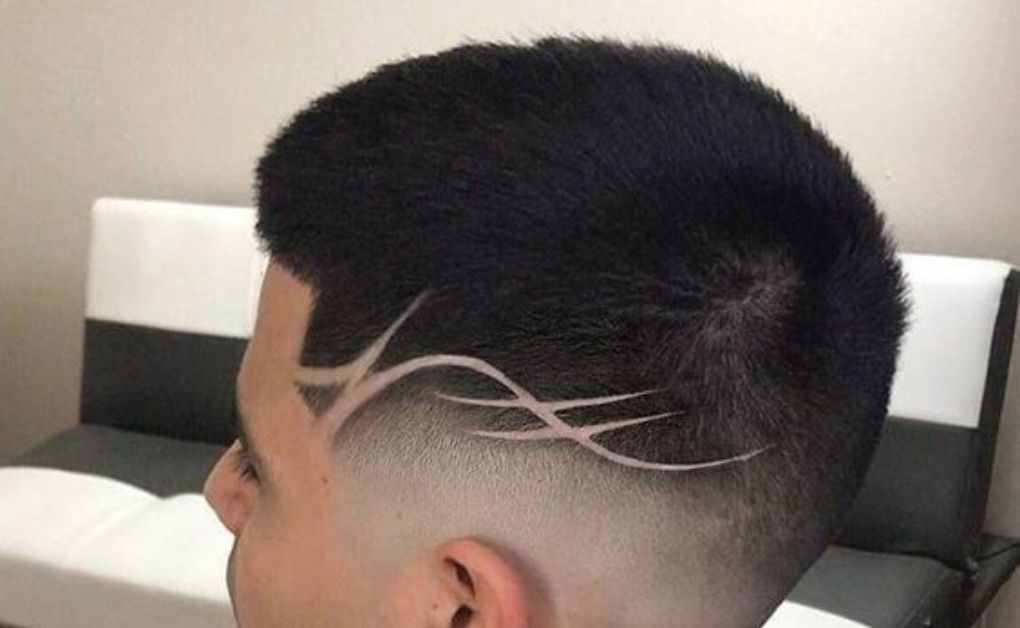
The Buzz Cut with High Fade is the ultimate low-maintenance hairstyle. The top is clipped to a uniform short length (usually a #1 or #2 guard), and the sides are faded high and tight. It’s a military-inspired look that highlights a strong bone structure and requires zero styling time in the morning.
29. Disconnected Fade
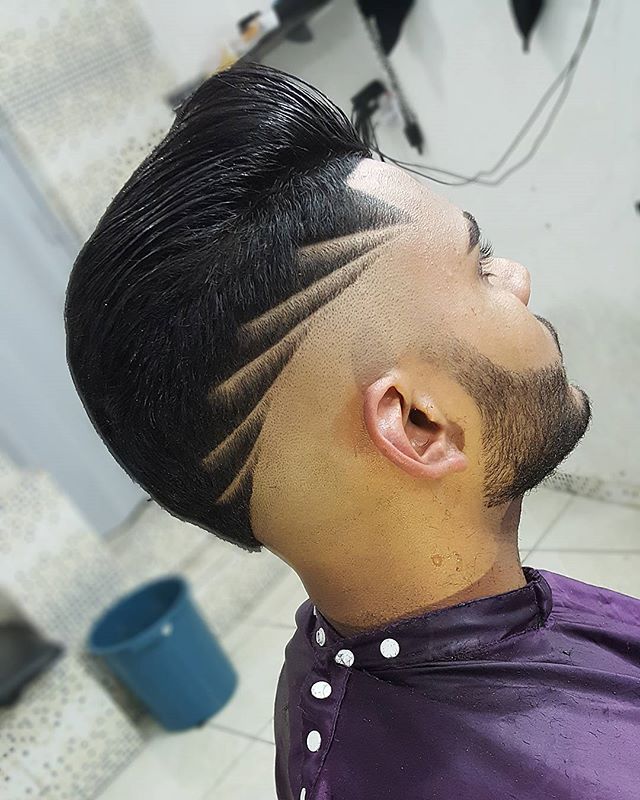
In mens black fade, there is no gradual blend between the top and the sides. Instead, there is a sharp contrast where the long hair on top suddenly stops and the shaved sides begin. This is a high-fashion, bold look that works best for men with long twists, braids, or a voluminous afro.
30. Blowout Fade
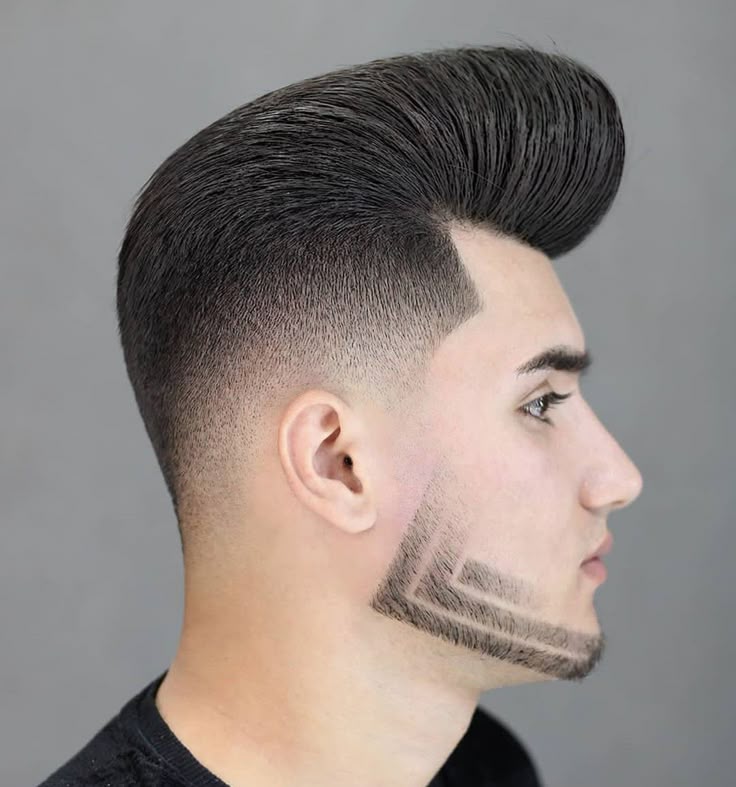
The Blowout Fade (mens black fade) mimics the look of hair being blown back by the wind. The hair on top is picked out to its maximum volume, while the temples and nape are faded cleanly. It’s a high-volume, high-energy style that celebrates the natural power of the Afro.
How to Choose the Perfect Fade for Your Face Shape
Selecting the right mens black fade is not just about following trends; it’s about understanding the geometry of your face. For men with rounder face shapes, a High Fade or a High Top is ideal as it adds vertical length, making the face appear slimmer and more balanced. On the other hand, if you have a longer or oval face, a Low Fade or a Taper Fade works best because it maintains some volume on the sides, preventing the face from looking overly elongated.
Maintenance and Barber Communication
The secret to a long-lasting fade lies in the maintenance and how you communicate with your barber. Black hair textures require constant moisture, so using high-quality hair oils and wearing a durag at night is essential to keep the transition looking smooth. When you visit the shop, be specific about the “guard size” and whether you want a Skin Fade (down to the bone) or a Shadow Fade (slight stubble). Bringing a reference photo from the list below will ensure you and your barber are on the same page.
Quick Comparison: Popular Fade Styles at a Glance
| Haircut Style | Fade Level | Best For… | Maintenance Level |
| Low Fade | Low (Above Ear) | Professionals & Office Wear | Medium |
| Mid Fade | Middle | All-around Versatility | Medium |
| High Fade | High (Near Crown) | Bold & Edgy Look | High |
| Taper Fade | Neckline/Sideburns | Natural & Classic Look | Low |
| Skin Fade | To the Skin | Maximum Sharpness/Contrast | Very High |
| Drop Fade | Curved (Nape) | Modern & Unique Shape | High |
| Burst Fade | Around the Ear | Mohawks & Sporty Styles | Medium |
| Temp Fade | Temples Only | Defining the Face & Beard | Low |
Frequently Asked Questions (FAQs)
1. How often should I get a fade haircut?
To keep a mens black fade looking sharp and crisp, it is recommended to visit your barber every 1 to 2 weeks. Because Black hair texture grows in curls, the “blur” of the fade can start to look fuzzy faster.
2. What is the difference between a Taper and a Fade?
A Fade blends the hair much higher up the head and often goes down to the skin. A Taper is more subtle; it only changes the hair length at the sideburns and the neckline, leaving more hair on the sides.
3. How do I maintain my fade at home?
The key is moisture and protection. Use a leave-in conditioner to keep the top healthy and wear a satin durag at night to keep the hair laid down and prevent the edges from frizzing.
4. Can I get a fade if I have thinning hair?
Yes! A High Fade or Skin Fade is actually great for thinning hair. By cutting the sides very short, it creates a contrast that makes the hair on top appear thicker and fuller.
5. Which fade is best for a round face shape?
For a round face, a High Fade or High Top is best. These styles add height to your head and remove bulk from the sides, which helps in creating a slimmer and more elongated look.
Conclusion
Finding the perfect mens black fade is all about balancing your personal style with your natural hair texture. From the timeless appeal of the Low Fade to the bold statement of a High Top or 360 Waves, the right haircut does more than just clean up your edges—it boosts your confidence and defines your look.
Remember, the key to a great fade isn’t just the cut itself, but the maintenance that follows. By choosing a style that complements your face shape and keeping up with regular barber visits, you ensure that your hair remains a standout feature of your grooming routine. Use this guide as your lookbook, show your favorite style to your barber, and embrace the sharp, clean aesthetic that only a masterfully executed fade can provide.
I’m the founder of BarberStyleHub and a men’s grooming enthusiast who’s spent years researching haircut trends, fade techniques, and styling methods — from classic slick backs to modern mullets and everything in between. Every guide I write is based on deep research into professional cutting and styling techniques, cross-checked with barbering fundamentals, so you know exactly what to ask your barber. My goal is simple: help every man find the right haircut and feel confident walking out of the chair.