Introduction
The Modern Mullet 2026 blends editorial texture, clean tapers, and controlled length. Barbers now replace the old “party in the back” with structured flow, soft disconnection, and face-shape balance. This guide covers mullet haircut variations, explains how to style a mullet, and shows professional techniques used in real barber studios.
What Defines the Modern Mullet 2026
Barbers design the modern mullet with three core elements:
- Keep the top textured and controlled
- Maintain soft taper or fade on sides
- Allow natural flow in the back (not overly long)
- Blend layers using disconnected techniques
- Balance face shape and nape length
Unlike retro versions, the 2026 mullet focuses on shape, proportion, and movement.
Most Popular Mullet Haircut Variations (2026)
1. Taper Fade Mullet
Barbers blend a clean taper around the ears and neckline. This version works for professional settings and daily wear.
2. Burst Fade Mullet Men
Barbers create a rounded burst fade around the ear. This style adds contrast and modern edge.
3. Wolf Cut Mullet Hybrid
Stylists combine shag layers with mullet length. Gen Z trends popularized this messy, volume heavy version.
4. Curly Mullet Styling
Barbers keep curls natural and reduce bulk using thinning techniques. This version boosts texture and movement.
5. Low Maintenance Mullet Styles
Barbers shorten the back and add soft tapering. This option reduces styling time.
Best Modern Mullet 2026 Styles
1. Taper Fade Modern Mullet
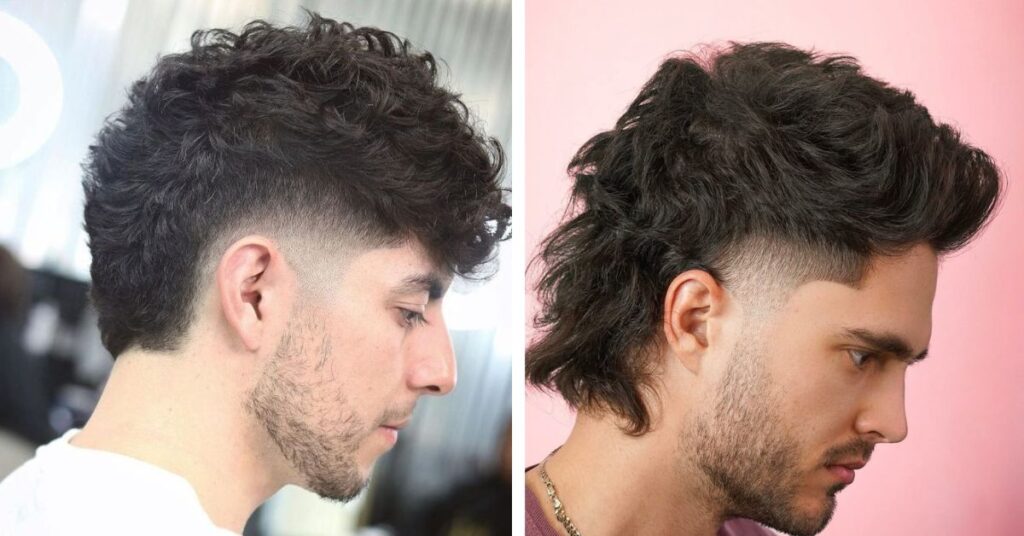
Barbers blend a gradual taper around the ears while keeping length in the back. The top stays textured to create a natural flow. This version looks clean without losing personality. It works well for both casual and professional settings. The balanced transition keeps the silhouette modern and wearable.
- Clean taper around ears
- Textured top for movement
- Balanced back length
- Easy daily styling
2. Low Taper Modern Mullet
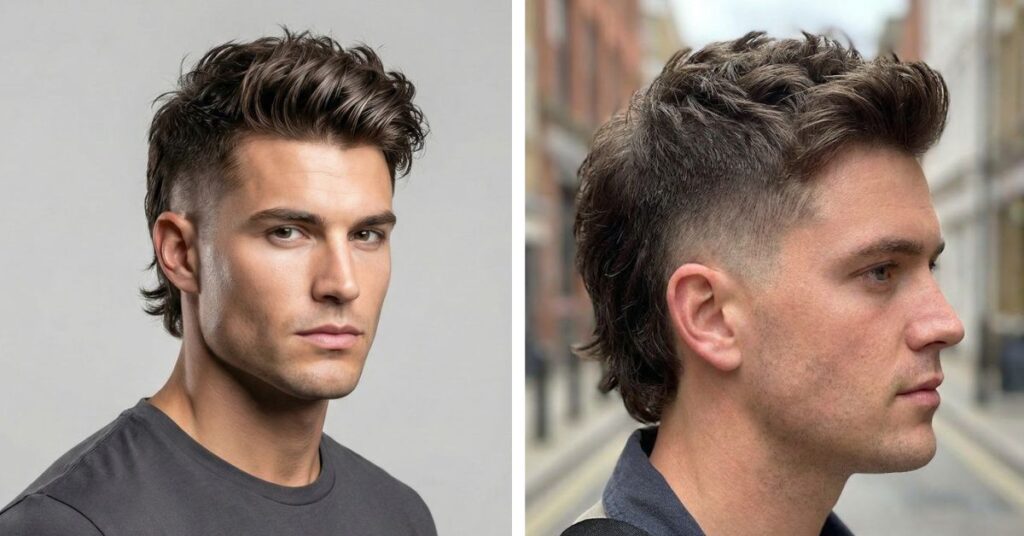
Stylists keep the taper low and subtle near the neckline. The top maintains soft layers for volume and shape. This cut creates a relaxed and natural finish. It suits men who want a modern look without strong contrast. The softer blend improves overall balance.
- Subtle low taper
- Soft layered top
- Natural flow in back
- Low contrast appearance
3. Mid Taper Textured Modern Mullet
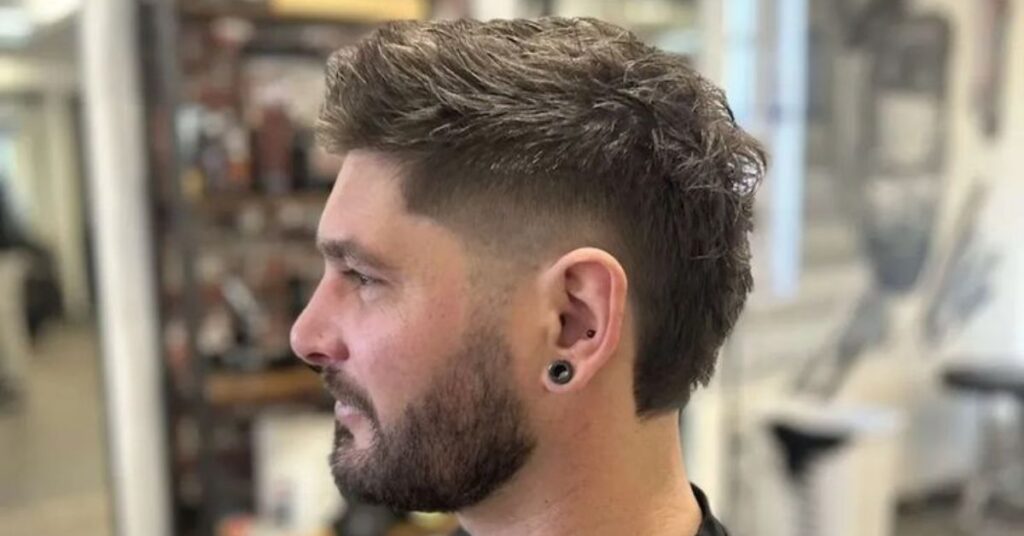
Barbers add a mid taper that creates structure without looking too sharp. The top includes choppy layers for texture. This style enhances movement while keeping a controlled shape. It fits most face shapes and hair types. The mid-level fade keeps the look modern.
- Mid-level taper fade
- Choppy textured layers
- Controlled shape
- Modern balanced silhouette
4. High Taper Sharp Modern Mullet
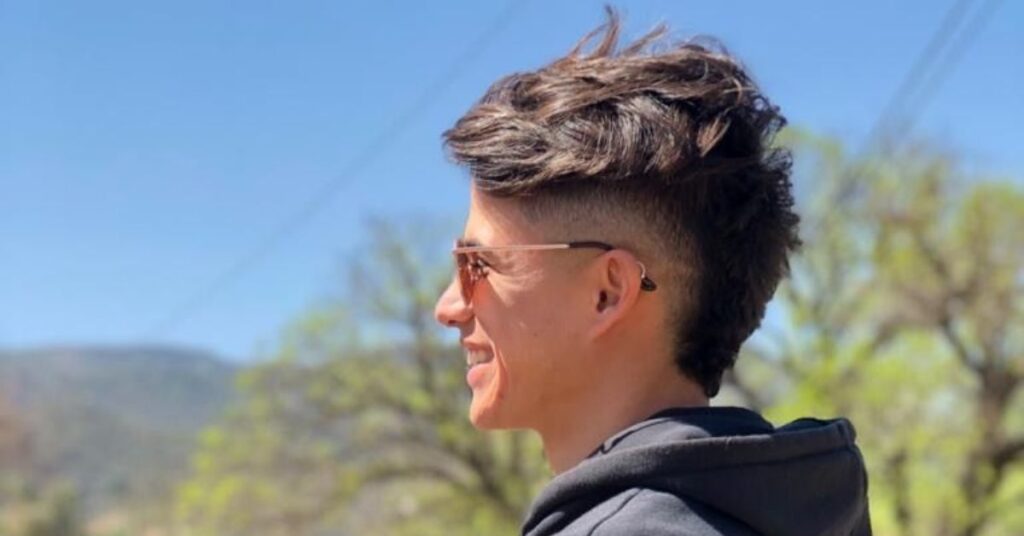
Stylists raise the taper higher above the ears for stronger contrast. The top stays fuller to highlight the shape. This version looks bold but still polished. It adds definition around the sides and back. The sharp transition makes the haircut stand out.
- High taper placement
- Strong contrast
- Fuller textured top
- Defined silhouette
5. Burst Fade Modern Modern Mullet
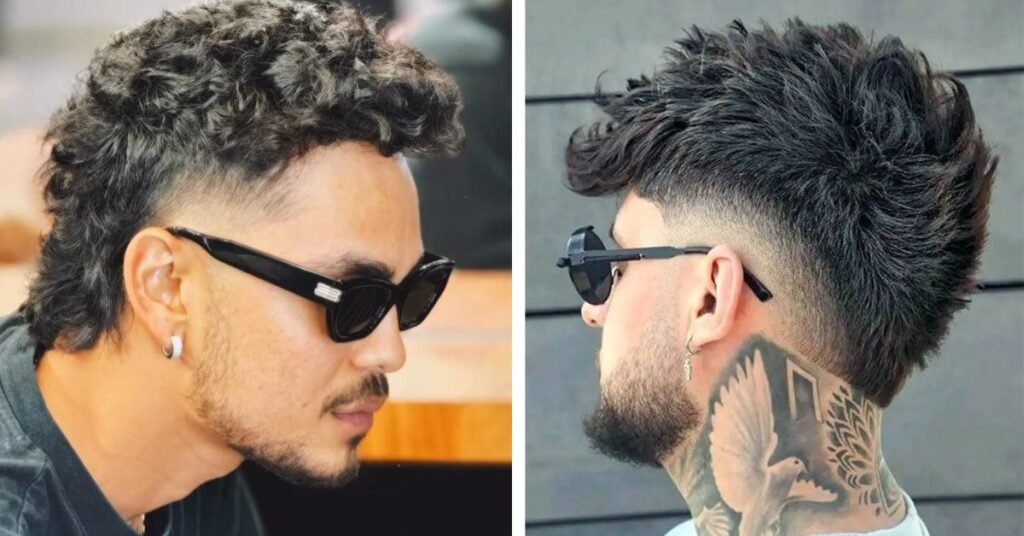
Barbers create a rounded fade around the ear area. The back flows naturally while the sides stay tight. This shape adds a modern sporty finish. It works well with straight or wavy hair. The curved fade improves the profile view.
- Rounded burst fade
- Flowing back section
- Tight sides
- Sporty modern look
6. Skin Fade Modern Mullet
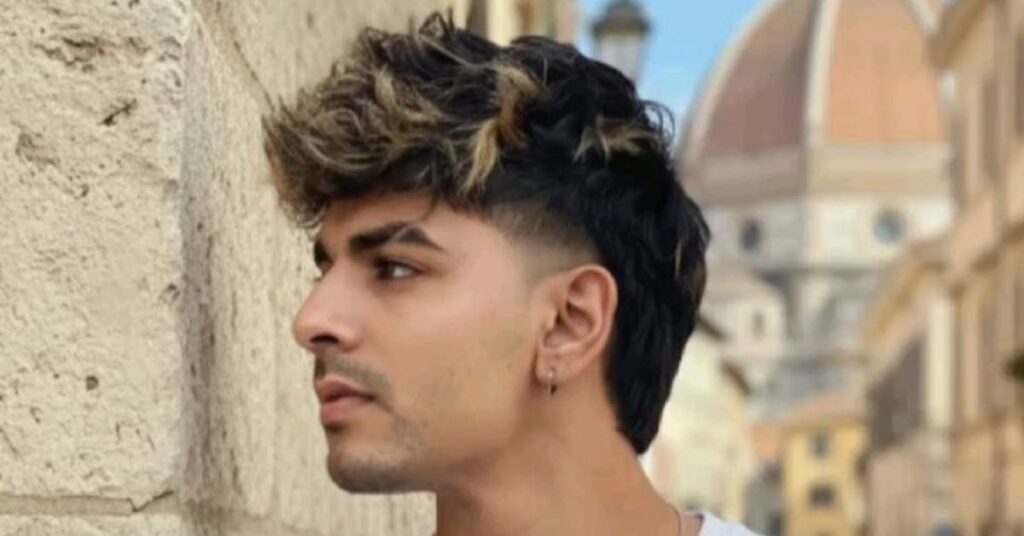
Stylists fade the sides down to the skin for a clean edge. The top keeps a layered texture for contrast. This cut looks sharp and contemporary. The longer back balances the short sides. It creates a strong modern silhouette.
- Skin fade sides
- Textured top layers
- Sharp contrast
- Clean neckline
7. Drop Fade Modern Mullet
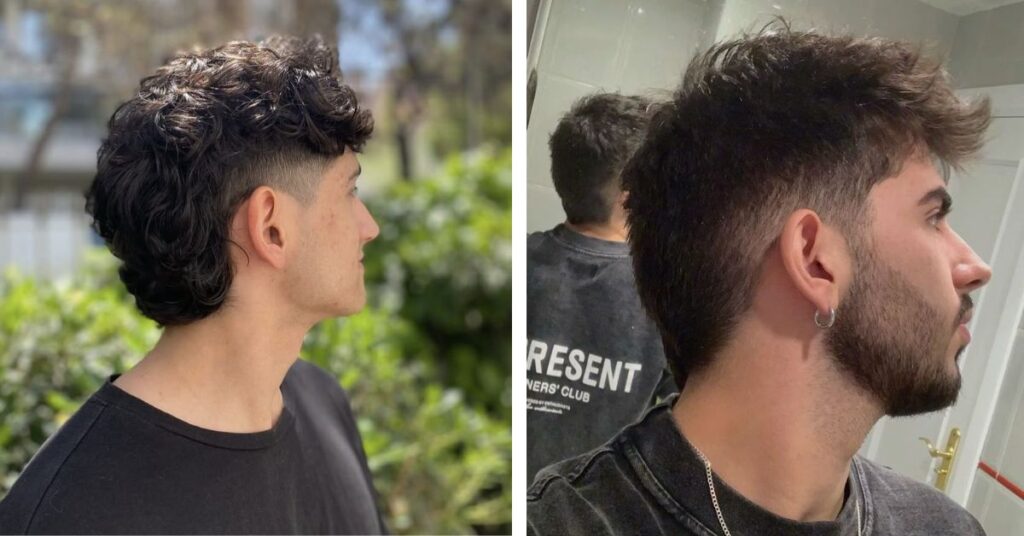
Barbers drop the fade behind the ear to follow head shape. The back stays slightly longer for movement. This style adds depth and dimension. It works well for thick hair types. The curved fade softens the transition.
- Curved drop fade
- Longer back section
- Added depth
- Smooth transition
8. Temple Fade Modern Mullet
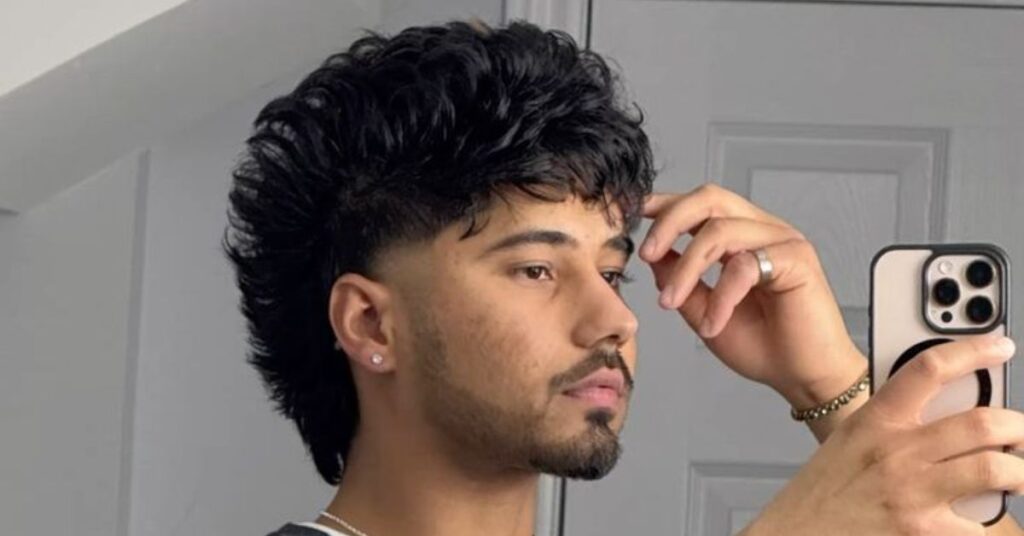
Stylists fade only the temple area for subtle contrast. The rest of the hair stays fuller and natural. This version offers a clean but relaxed appearance. It suits men who prefer minimal fading. The soft blend keeps texture visible.
- Light temple fade
- Fuller sides
- Natural texture
- Minimal contrast
9. Curly Modern Mullet
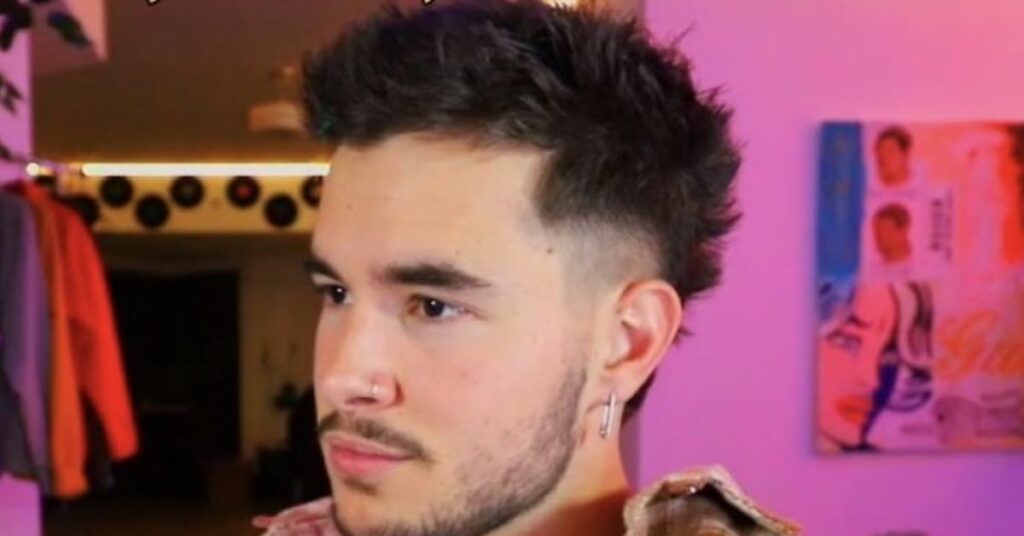
Barbers shape curls to enhance natural volume. The sides stay slightly tapered for control. This cut prevents bulk while keeping movement. The layered back improves flow. It works best with medium to tight curls.
- Natural curly texture
- Light taper sides
- Controlled volume
- Layered back flow
10. Wavy Flow Modern Mullet
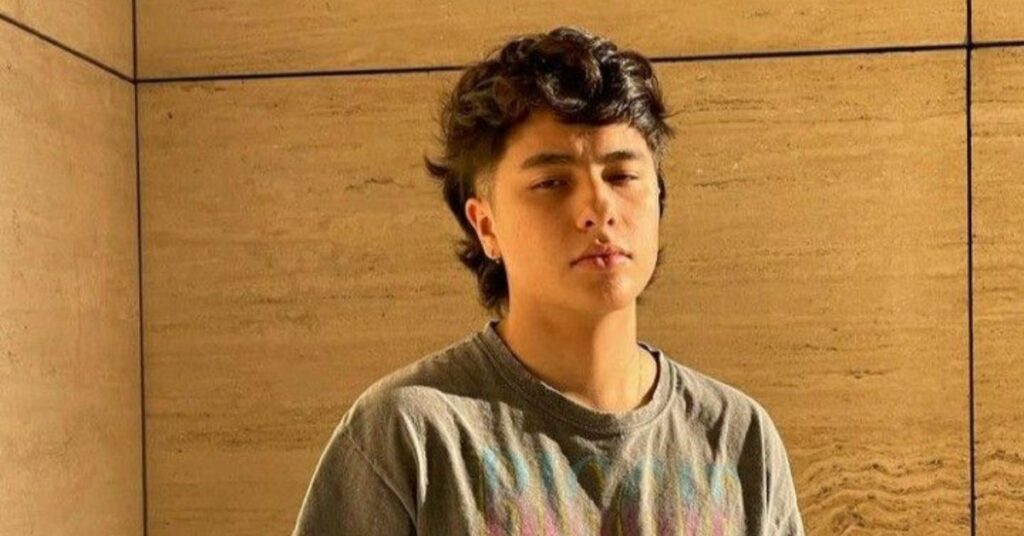
Stylists use soft layering to enhance waves. The back remains longer for movement. This style creates a relaxed modern appearance. It requires minimal styling effort. The natural texture improves shape.
- Soft layered waves
- Medium back length
- Relaxed finish
- Easy styling
11. Straight Hair Layered Modern Mullet
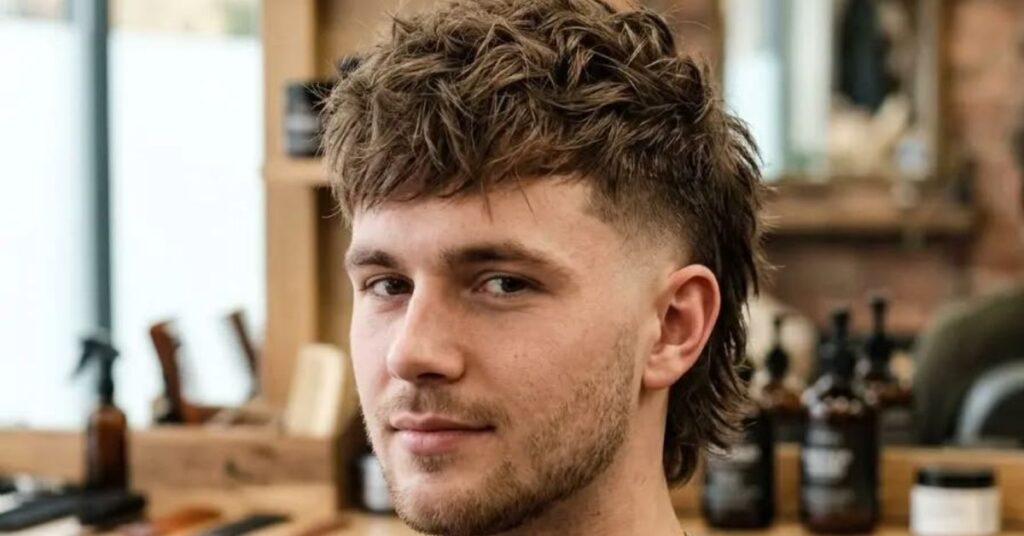
Barbers add layers to prevent flatness. The top gains light texture for dimension. This cut creates movement in straight hair. The back flows smoothly without bulk. It suits clean modern styles.
- Layered straight hair
- Added texture
- Smooth back flow
- Lightweight shape
12. Wolf Cut Modern Mullet
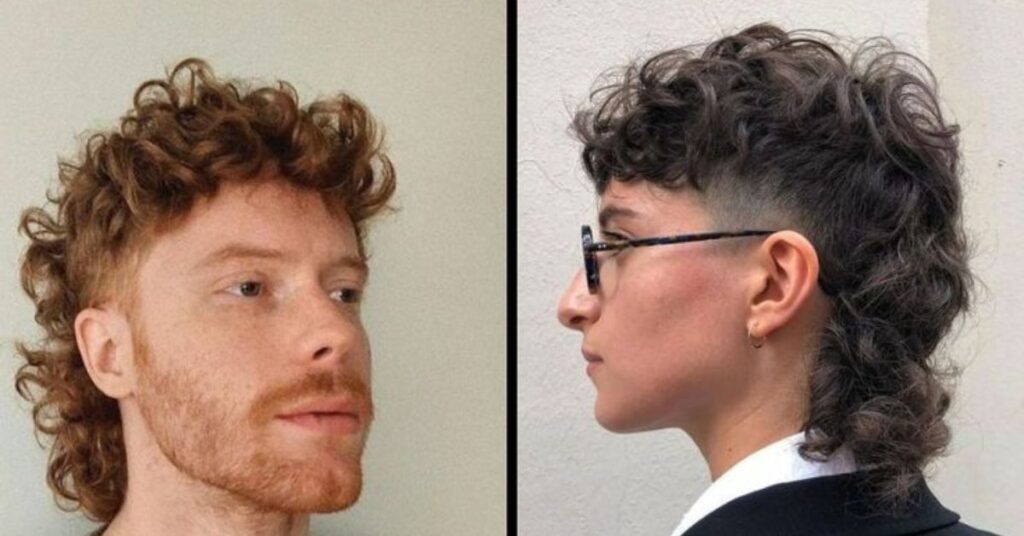
Stylists combine shaggy layers with mullet length. The top stays heavily textured. This version creates volume and movement. It suits trendy and youthful looks. The messy finish adds personality.
- Shaggy layered top
- Voluminous texture
- Longer back
- Trendy appearance
13. Shaggy Modern Mullet
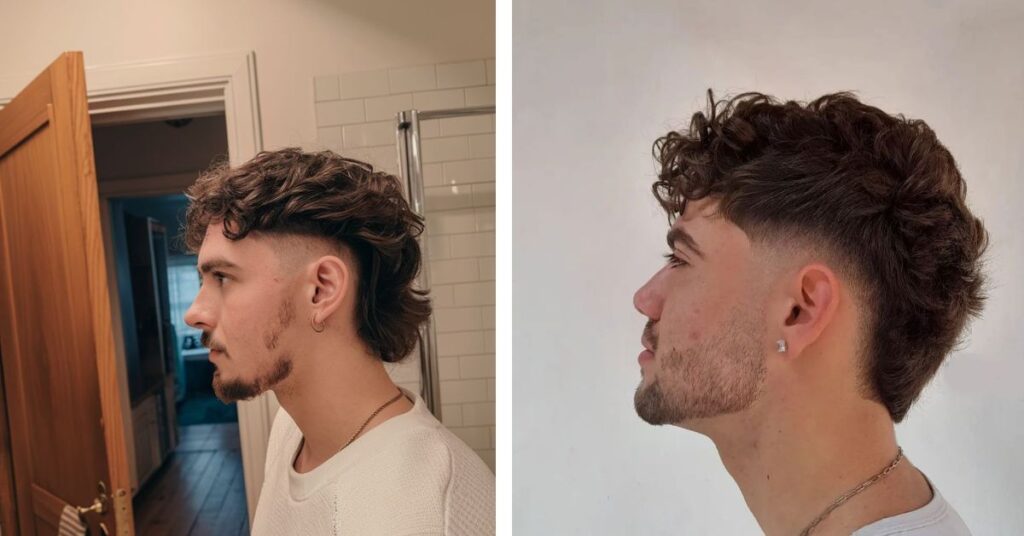
Barbers use razor cutting to create choppy ends. The texture looks messy but controlled. This style adds volume throughout the top. The back blends softly. It delivers a relaxed editorial look.
- Razor-cut layers
- Messy texture
- Soft blend
- Voluminous top
14. Disconnected Layer Mullet
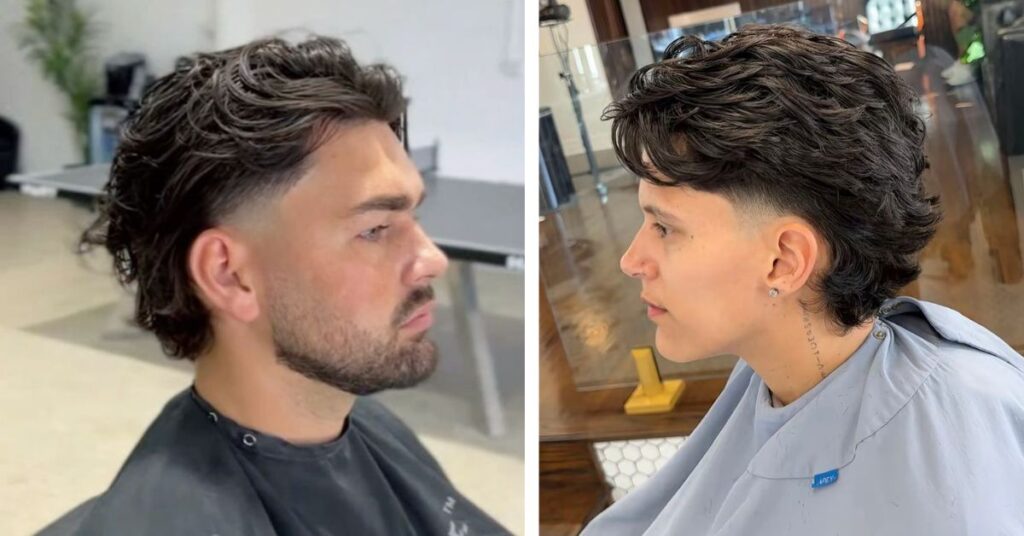
Stylists separate the top and back using clear layering. The contrast creates a bold silhouette. This cut adds structure and definition. The sides remain slightly tapered. It works well for thick hair.
- Disconnected layers
- Structured shape
- Bold contrast
- Tapered sides
15. Messy Texture Mullet
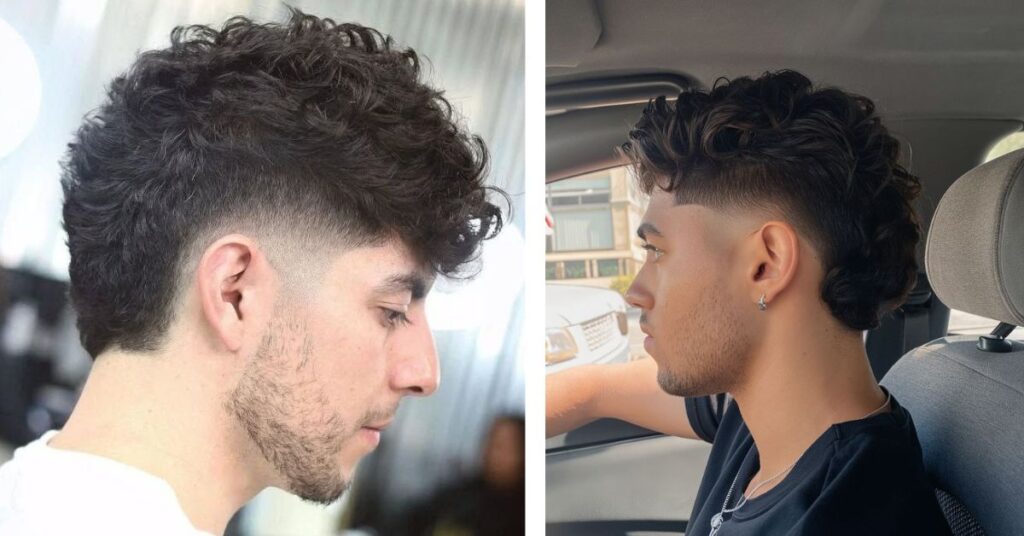
Barbers add heavy point cutting for texture. The top stays loose and natural. This version looks casual and modern. The back keeps medium length. It suits low-effort styling routines.
- Heavy texture
- Loose top
- Medium back length
- Casual finish
Quick Comparison Table: Best Mullet Variations
| Style | Best For | Maintenance | Styling Difficulty | Trend Level |
| Taper Fade Mullet | Office & clean look | Low | Easy | High |
| Burst Fade Mullet | Bold contrast | Medium | Medium | Very High |
| Wolf Cut Hybrid | Gen Z / TikTok | Medium | Easy | Very High |
| Curly Mullet | Natural texture | Low | Easy | High |
| Low Maintenance Mullet | Busy lifestyle | Very Low | Very Easy | Growing |
How to Style a Mullet (Step by Step)
Step 1: Start With Damp Hair
Apply sea salt spray for texture
Create natural direction with fingers
Lift roots for volume
Step 2: Blow Dry for Shape
Use medium heat
Push top forward or sideways
Allow back section to flow naturally
Step 3: Add Texture Product
Use matte clay for messy finish
Use cream for soft movement
Scrunch lightly
Step 4: Finish the Silhouette
Define layers
Avoid heavy gel
Keep movement natural
Professional stylists often use tools from Wahl Professional and styling clays similar to Reuzel for best results.
The Golden Ratio: 30/70 Length Rule
Barbers use a 30/70 ratio to keep the mullet modern.
- Top length = 30%
- Back length = 70%
- Drop-off starts behind the ear
- Avoid extreme length difference
This ratio prevents the outdated 1980s silhouette.
Face Shape Drop Off Guide
| Face Shape | Drop Point | Back Length | Volume |
| Oval | Mid-ear | Medium | Balanced |
| Square | Behind ear | Longer | Soft texture |
| Round | High taper | Short-medium | Add height |
| Diamond | Low taper | Medium-long | Layered |
Case Study: 4-Week Textural Evolution
This real world growth timeline helps maintain the mullet shape.
Week 1
Fade looks sharp
Texture sits clean
Back begins to flow
Week 2
Sides grow slightly
Top becomes fuller
Shape still balanced
Week 3
Awkward stage begins
Sides lose sharpness
Back gains volume
Week 4
Full mullet silhouette appears
Texture improves naturally
Pro Tip: Mid Month Dusting
Ask your barber for:
- Light taper cleanup
- Neckline trim
- No back trimming
This technique keeps the fade crisp.
Tool to Texture Matrix (Pro Barber Guide)
| Hair Density | Best Cutting Tool | Result | Recommended Style |
| Fine Hair | Razor Cut | Shaggy texture | Wolf Cut Mullet |
| Medium Hair | Point Cutting | Balanced volume | Taper Mullet |
| Thick Hair | Thinning Shears | Controlled bulk | Curly Mullet |
| Coarse Hair | Scissor Over Comb | Clean shape | Burst Fade Mullet |
Barbers often choose tools based on density rather than style.
Celebrity Modern Mullet Inspiration
Modern mullets gained popularity after looks from:
- Travis Kelce mullet fade
- Austin Butler textured mullet
- Editorial runway textured mullets
- TikTok wolf cut mullets
These styles shaped the Modern Mullet 2026 trend.
How to Ask Your Barber for a Modern Mullet
Use this script:
- Ask for tapered sides
- Request disconnected layers
- Keep length in the back
- Add texture on top
- Avoid hard undercut
Bring reference photos for accuracy.
Mullet vs Shag vs Wolf Cut
| Style | Length | Texture | Fade | Shape |
| Mullet | Long back | Medium | Yes | Structured |
| Shag | Even length | Heavy | No | Messy |
| Wolf Cut | Medium back | Very heavy | Soft | Hybrid |
Best Hair Products for Mullet Volume
- Sea salt spray for texture
- Matte clay for separation
- Styling cream for soft flow
- Light hairspray for hold
Avoid heavy pomade.
Mullet Maintenance Schedule (2026)
| Time | What To Do |
| Every 2 weeks | Clean taper |
| Every 4 weeks | Shape top layers |
| Every 6 weeks | Adjust back length |
| Daily | Use light texture spray |
FAQs
Is the modern mullet professional?
Yes. Barbers keep the sides clean and the back controlled.
Which face shape suits a mullet?
Oval, square, and diamond face shapes work best.
Is the mullet hard to maintain?
Low maintenance mullets require minimal styling.
Can curly hair work with a mullet?
Yes. Curly mullets add natural volume and texture.
How long should the back be?
Keep the back longer than the top using the 30/70 rule.
Conclusion
The Modern Mullet 2026 delivers structure, texture, and personality. Barbers use taper fades, disconnected layers, and balanced length to create a clean silhouette. Choose a taper fade mullet for a subtle look, a burst fade mullet for bold contrast, or a wolf cut hybrid for trendy volume. Follow the 30/70 ratio, maintain regular trims, and use lightweight styling products. This approach keeps your mullet sharp, modern, and easy to manage.
