Introduction
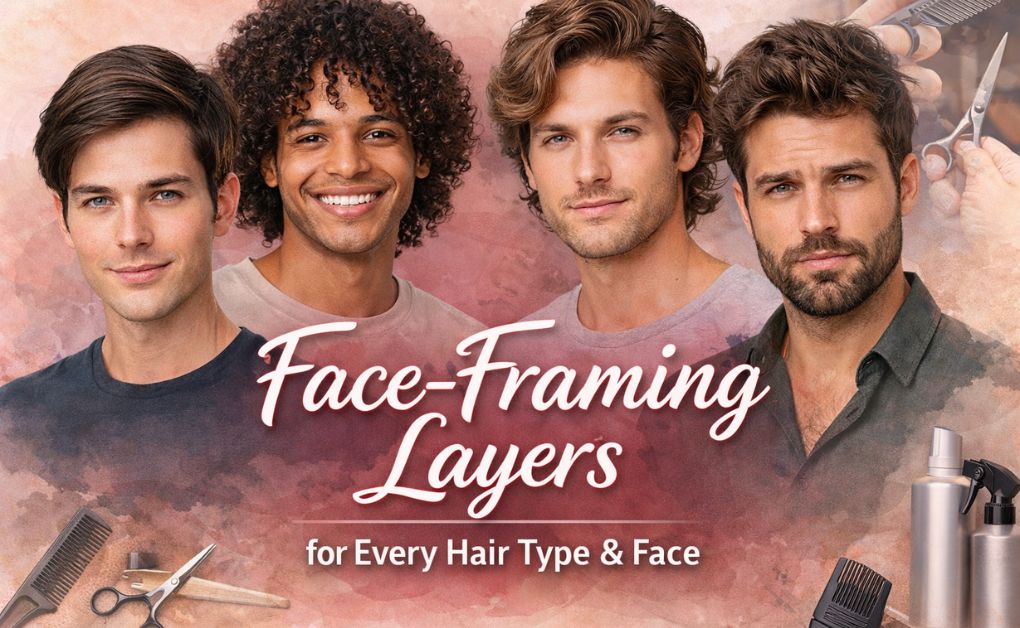
Face-framing layers are a haircut style that shapes hair around the face to improve your look. Face-framing layers highlight your features and add softness to your hair. These layers can be short or long based on your hair type and style. They help your hair look fuller and more lively.
Face-framing layers suit straight, wavy, and curly hair. They can make thin hair look thick and control heavy hair. Many celebrities use face-framing layers to show cheekbones, define the jawline, or soften a wide forehead.
This style is very versatile. It works for long, medium, and short hair. You can pair face-framing layers with bangs, curls, or straight styles. With the right cut, your hair looks modern and stylish with little effort.
Benefits of Face‑Framing Layers
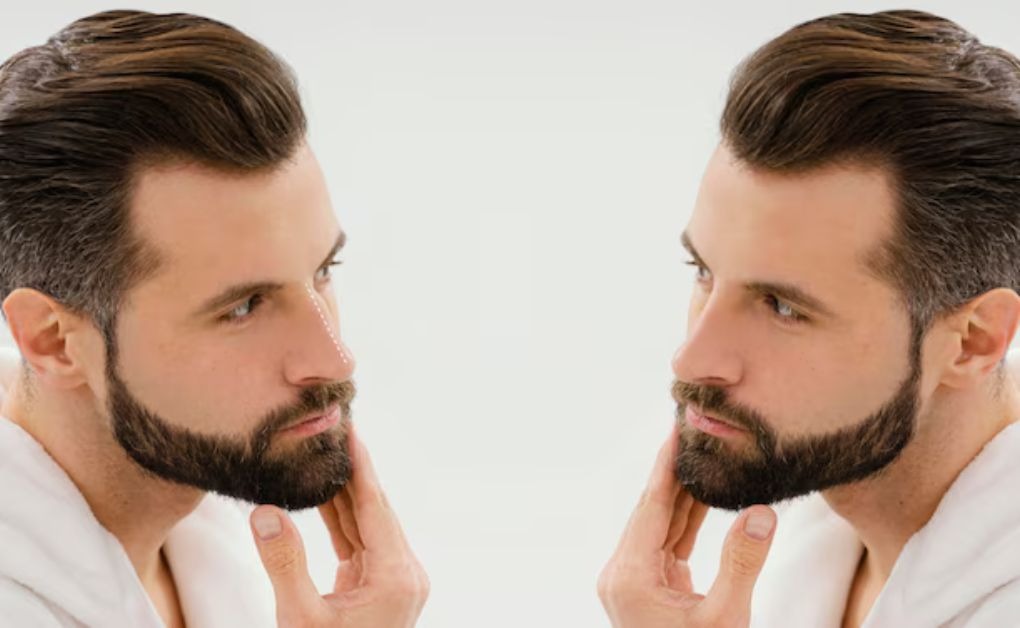
Adding face‑framing layers offers several benefits. First, they add movement to your hair. This makes your hair appear fuller and livelier. Layers can also soften sharp facial features, creating a more balanced look.
Another advantage is styling flexibility. Face‑framing layers work with straight, wavy, and curly hair. You can wear them sleek, wavy, or in loose curls. They are low-maintenance for people who want style without heavy styling routines.
Layers can also highlight your best features. For example, layers around your cheeks can make your face appear slimmer. Layers near the jawline can soften strong jawlines. This haircut is also great for masking uneven hair growth or adding texture to dull hair.
Face‑Framing Layers for Different Hair Types
Straight Hair
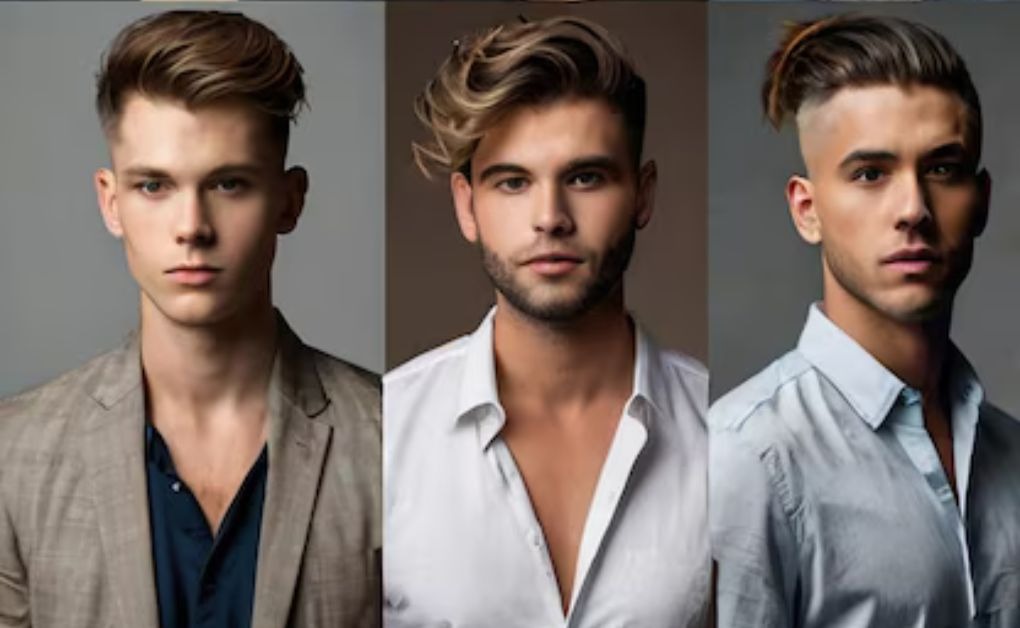
For straight hair, face‑framing layers add dimension. Without layers, straight hair can look flat. Short layers around the face add movement and texture.
Long layers with subtle framing work well. They can highlight your cheekbones and jawline. Straight hair can also benefit from a side-swept bang combined with layers. This creates a modern, stylish look that is easy to maintain.
Styling Tip: Use a flat iron or blow-dryer to shape layers slightly inwards. This emphasizes the framing effect and keeps the hair polished.
Wavy Hair
Wavy hair looks voluminous and soft with face‑framing layers. The layers enhance natural waves and prevent your hair from looking too heavy.
Layer lengths can vary. Short layers around the face give a playful, youthful look. Longer layers maintain the hair’s natural flow. This style is perfect for a casual, effortless appearance.
Styling Tip: Use a curl cream or light mousse. This keeps waves defined without frizz. Wavy hair often benefits most from soft, blended layers rather than harsh cuts.
Curly Hair
Curly hair needs layers to prevent a triangle shape. Therefore, face‑framing layers reduce bulk and create a balanced silhouette. In addition, they can highlight your curls naturally.
Also, layers should be cut dry to see how curls fall. This way, the curls frame your face naturally. Furthermore, shorter layers near the face can lift curls and add bounce.
Styling Tip: For best results, use leave-in conditioner or curl-defining cream. However, avoid heavy products that weigh down curls. As a result, proper layers help curls look lively and well-shaped.
Choosing Layers Based on Face Shape

Oval Face
Oval faces suit almost any style. Face‑framing layers work perfectly with medium or long cuts. They can enhance symmetry and maintain the natural balance of the face.
Round Face
Layers can slim a round face. Longer layers starting near the jawline draw attention downwards. Side-swept layers help elongate the face visually.
Square Face
Square faces benefit from layers that soften angles. Layers around the cheekbones and jawline create a gentle frame. Soft waves with layers add femininity and balance.
Heart-Shaped Face
Heart-shaped faces look best with layers starting near the chin. This reduces the appearance of a wide forehead. Adding side-swept bangs with layers enhances the delicate chin area.
Styling Face‑Framing Layers
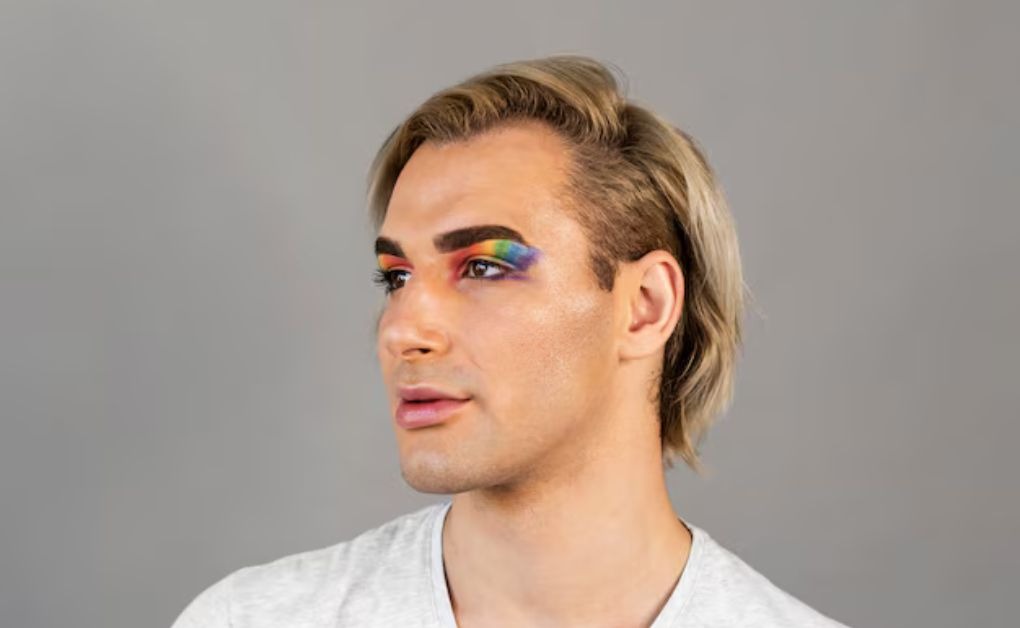
Styling depends on hair type. For example, for straight hair, a flat iron can add inward curves at the ends. Meanwhile, wavy hair looks best with a diffuser or a light curling iron. On the other hand, curly hair benefits from air-drying or curl-defining products.
Additionally, layers work well with updos. For instance, they can soften buns, ponytails, or braids, making hairstyles look effortless. Furthermore, layers around the face prevent hairstyles from looking flat or severe.
Quick Tip: Also, using a lightweight serum keeps layers shiny without weighing them down. As a result, this controls frizz and enhances hair texture, giving your layers a polished look.
Maintaining Face‑Framing Layers
Regular trims every 6-8 weeks keep layers looking fresh. Otherwise, overgrown layers can lose shape and volume. In addition, using the right shampoo and conditioner for your hair type is important.
For extra shine, occasional deep conditioning helps maintain smooth layers. However, avoid heavy products that weigh down hair, especially for fine textures. By doing this, your layers will stay healthy, soft, and well-styled.
Table: Layer Maintenance Tips by Hair Type
| Hair Type | Frequency of Trim | Recommended Products | Styling Tip |
| Straight | Every 6-8 weeks | Lightweight serum, heat protectant | Slight inward blow-dry |
| Wavy | Every 8 weeks | Curl cream, light mousse | Diffuser for natural waves |
| Curly | Every 8 weeks | Leave-in conditioner, curl gel | Cut dry for natural curl shape |
Popular Face‑Framing Layer Hairstyles

Face-framing layers can be styled in many ways. For instance, long, flowing layers create a classic look. Meanwhile, short layered bobs give a chic, modern vibe. Additionally, adding bangs or waves can enhance the frame effect.
Moreover, celebrities often wear layers with soft curls, creating glamorous, yet effortless styles. On the other hand, for office or casual looks, sleek layers with minimal styling look professional and neat.
Styling Tip: Also, experiment with parting. Whether you choose middle, side, or deep side parts, it can change how layers frame your face. As a result, this can completely transform your look without changing the cut.
Tips for Choosing the Right Face‑Framing Layers

Before getting layers, first consider your hair type, face shape, and lifestyle. For example, shorter layers need more frequent trims. However, if you have thick hair, you can ask for thinning techniques to reduce bulk.
Next, discuss with your stylist where layers should start. In fact, the right starting point enhances your facial features. Also, use pictures as references. This way, you get the exact look you want.
Finally, don’t forget to share your daily styling habits. Because of this, your stylist can suggest the best cut. Sometimes, some layers need more styling, while on the other hand, others stay low-maintenance.
FAQs
Q1: Can I get face‑framing layers with curly hair?
Yes, curly hair can benefit from layers. Layers reduce bulk and shape the curls naturally.
Q2: How often should I trim layers?
Trim every 6-8 weeks to keep the shape fresh and maintain volume.
Q3: Do face‑framing layers suit all face shapes?
Yes, layers can be customized to suit oval, round, square, and heart-shaped faces.
Q4: Can I style layers without heat?
Yes, air-drying with curl cream or mousse works for waves and curls.
Q5: Are layers suitable for fine hair?
Yes, layers add volume and movement, making fine hair look fuller and lively.
Conclusion
Face‑framing layers are versatile, stylish, and flattering. They work for all hair types and face shapes. Layers add movement, volume, and softness to your hair.
With proper care and styling, face‑framing layers can make everyday hair look polished and modern. They can highlight your best features and refresh your look effortlessly. This haircut is perfect for anyone looking to enhance natural beauty without a major change.
No matter your hair type, a well-cut layer can transform your hairstyle and boost confidence. Face‑framing layers are a timeless option that continues to be trendy.
