
Introduction
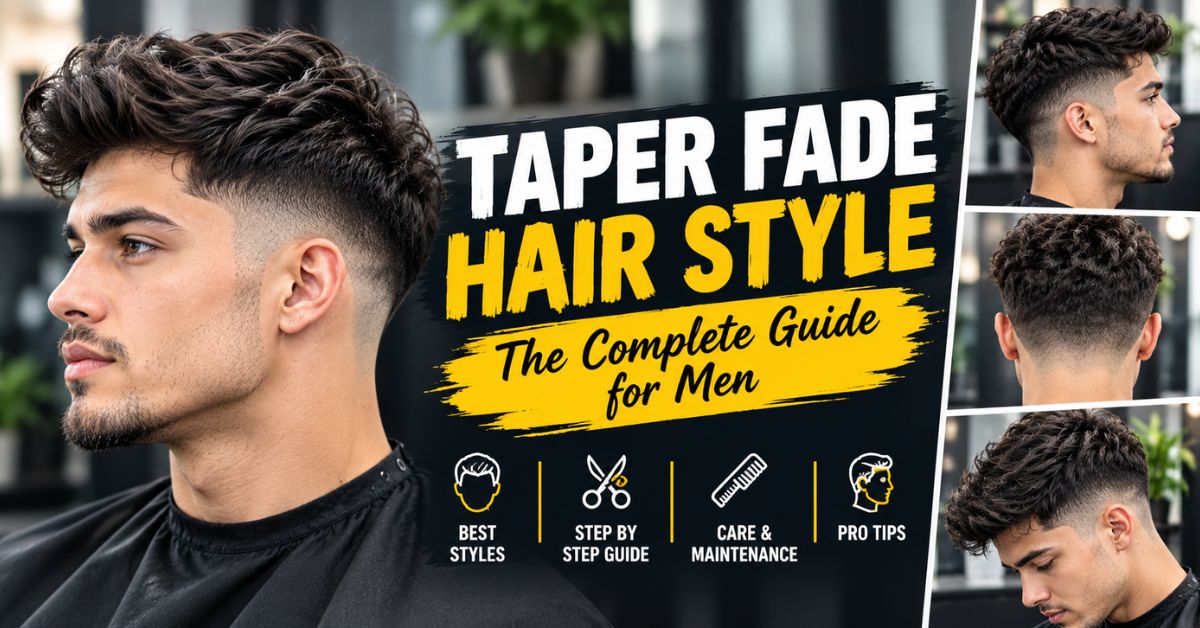
A taper fade hair style keeps the hair short around the ears and neckline while gradually increasing the length toward the top. As a result, barbers can create a smooth transition with clippers without leaving harsh lines. Because of this, men choose this haircut for its clean, modern, and easy-to-maintain look.
Have you ever had a haircut that lost its shape after a week? Fortunately, this style helps maintain a neat shape as it grows. Whether your hair is thick or thin, you can adapt it to your natural texture. Moreover, it works well with different face shapes and suits both casual and professional settings.
What is a Mid Taper Fade?
Mid-taper fades fall between two extremes. The fade line begins near the top of your ear.The fade isn’t as sharp as a high fadeLow fades are quieter. Clippers do most of the work here, moving in small, controlled passes.
Most first-time fade customers choose this option. Because of this, barbers often suggest it because it can handle small differences in shape or symmetry. In addition, it works with almost any face shape without looking out of place. As a result, it gives you a clean and balanced look.
Moreover, this base works with almost any top style. For example, you can add a comb-over for office days or a textured crop for weekends. If you want more height and volume, you can choose a pompadour. Therefore, the mid taper gives you plenty of styling options without changing the basic haircut.
Popular Mid Taper Fade Styles for Men
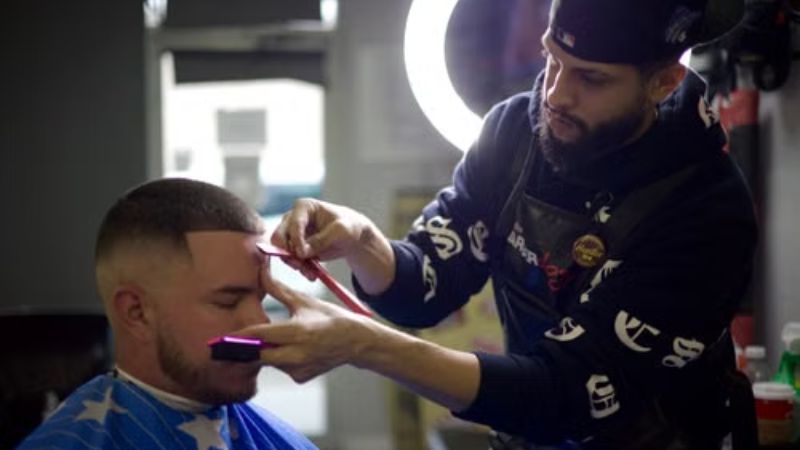
The taper fade hair style isn’t one fixed look. Barbers reshape it constantly depending on the client. Texture, length, and part placement all shift the final result. That flexibility keeps this cut relevant year after year.
Adding a quiff to a mid-fade gives an instant lift. A slicked-back version leans formal and controlled. Men with waves often let the top move loose and natural. Changing the choice changes the mood of the same base cut.
Curly-haired guys shouldn’t skip this style either. There is a real contrast between the curly top and the tapered sides in this image.You can add an edge by adding a hard part line.However you shape it, the taper fade hair style stays the foundation underneath.
Mid Taper Fade for Black Men
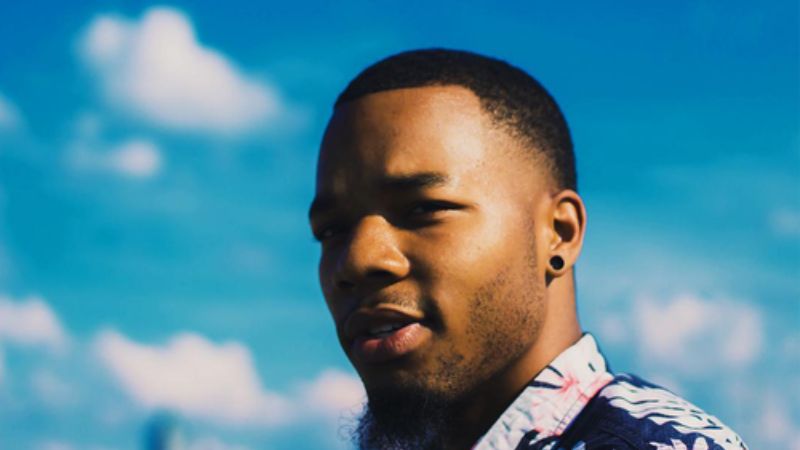
Taper fade hairstyles are particularly popular with black men. Because of this, coily and kinky textures can hold their shape on top while the sides stay tight. In addition, barbers use fine clipper guards to keep the fade crisp against darker skin tones. As a result, the short sides create a sharp contrast with the fuller top and make the style look clean from every angle.
A clean line-up usually finishes the look.For extra precision, some men add a razor edge along the hairline. Others go further with a shaved-in pattern. The style remains low-maintenance between visits regardless of the finish.
Beard pairing matters here too. A full beard grounds the cut and adds weight. A clean shave keeps things sharp and minimal. Barbers who specialize in textured hair usually recommend this fade first for new clients.
Mid Taper Fade for Curly Hair

Curly hair doesn’t need to be tamed under this cut. Instead, the sides stay tight while the curls on top stay loose and natural. A taper fade hair style actually shows off the curl pattern instead of hiding it under extra length. Because of this, many curly-haired men choose this style for a clean yet natural look.
In addition, product choice matters more here than heavy styling. A light curl cream keeps the curls defined without making them stiff. However, heavy gels or waxes can flatten the curls and reduce their natural bounce. For this reason, barbers often recommend air-drying instead of using heat for this look.
Loose curls suit longer tops with more movement. Tight coils look sharp kept a bit shorter and rounded. Either way, this fade adapts to whatever curl pattern you’re working with.
Mid Taper Fade for Straight Hair

Straight hair takes to this cut with almost no resistance. Because of this, the fade blends cleanly since there is no texture fighting the line. The top hair falls flat and even, which makes styling fast and predictable most mornings. As a result, you can create a neat look without much effort.
A comb and a small amount of pomade usually do the job. For example, push the hair back for a sharper, formal finish. Alternatively, leave it forward and loose for a more relaxed look. In either case, straight strands hold whichever direction you set them in.
Overall, this combination suits men who want a practical style. It photographs cleanly and also stays neat through a full workday. Moreover, straight hair grows out evenly, so the fade stays wearable even a few weeks after your last trim.
Mid Taper Fade with a Middle Part

A center part splits the top into two even sections. Paired with a mid fade below, it creates a symmetrical, deliberate look. This combination shows up often among younger men chasing a current, fashion-forward style.
Getting a clean part takes some precision. Barbers cut a straight line using a comb and clipper tip. Top length needs enough room to fall on both sides. A matte paste usually holds the part without adding shine.
This style shifts easily between settings. Pair it with streetwear for a laid-back day. Pair it with tailored clothing for something sharper. It reads modern in almost any context without much extra effort.
Mid Taper Fade French Crop
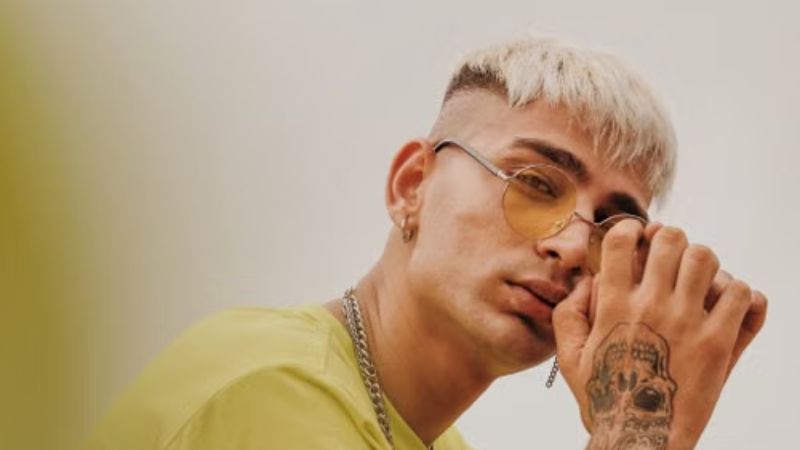
The French crop brings texture and a forward fringe into the mix. At the same time, the top hair stays short and choppy rather than long and flowing. When combined with a mid fade, it creates a clear contrast between the rough texture above and the clean blend below.
In addition, this cut suits straight and slightly wavy hair best. Barbers keep the top at a uniform short length and then add texture with scissor-over-comb work. Meanwhile, they cut the fringe with a straight, blunt edge across the forehead.
For styling, a matte clay or paste gives the look the right finish. However, shiny products can flatten the choppy texture that makes this style stand out. Therefore, regular trims help keep the French crop fresh and prevent it from growing shapeless.
Mid Taper Fade Quiff
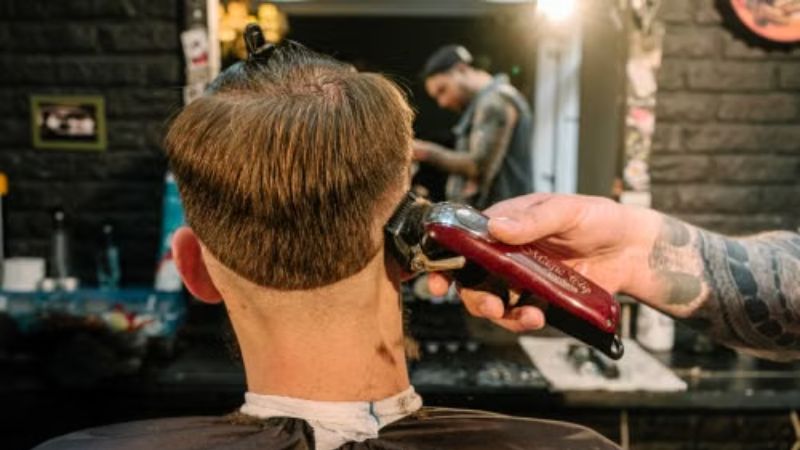
The quiff pushes hair up and back, adding real height on top. Below it, the mid fade keeps the sides controlled and sharp. Together they create a strong silhouette that stands out in a crowd without looking messy.
Building a proper quiff takes some setup. Hair needs medium-to-long length up front. Blow-drying against the direction of growth creates the lift. A strong-hold cream or paste locks everything in place once it’s shaped.
This pairing works for dressed-up occasions and normal office days alike. Thicker hair holds the shape longer through the day. Thinner hair may need a touch-up product by the afternoon.
Mid Taper Fade Fringe
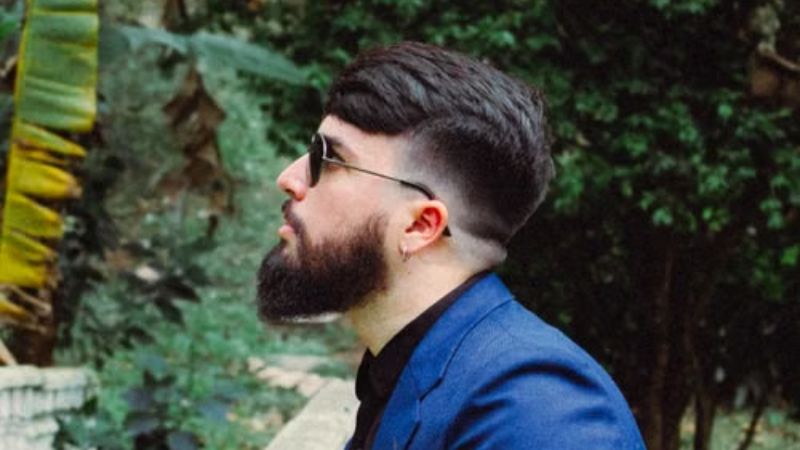
A fringe softens the whole look. Instead, the hair falls forward instead of getting pushed back or up. At the same time, the fade keeps the sides from looking overgrown or unstructured. As a result, this style creates a relaxed version of a cut that can otherwise look formal.
Medium length on top works best for this style. For example, a light wax adds texture without making the hair stiff. In addition, some men blow-dry the fringe forward for extra shape. Moreover, this version works well with straight, wavy, and curly textures without much adjustment.
Overall, it’s an easy everyday cut. For instance, it works for weekend-casual looks while also staying school-appropriate. Meanwhile, upkeep stays minimal between barber visits. Therefore, it makes a practical choice for men with busy schedules.
Mid Taper Fade Mullet
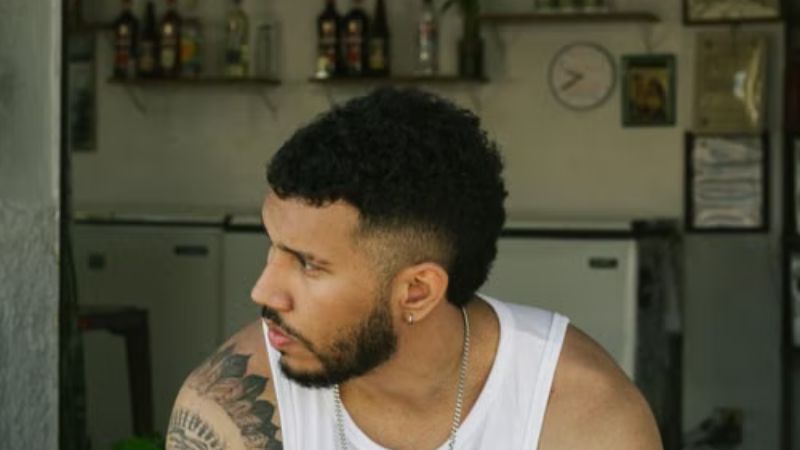
The mullet flips expectations on this cut. Instead, the sides and top stay short and tapered as usual, while the back grows out and hangs loose. As a result, this mix of short-and-clean sides with a longer back gives the style real personality.
However, this version needs more attention from your barber. The sides get faded tight, while the back length stays untouched and grows over time. In addition, thicker hair adds more drama and shape to the longer section. Therefore, regular trims help keep the contrast clean.
Overall, it’s not a cut for blending in. For example, concerts, creative jobs, and casual settings suit it well. At the same time, it keeps the sharpness of a fade while adding something unexpected at the back.
Mid Taper Fade Undercut
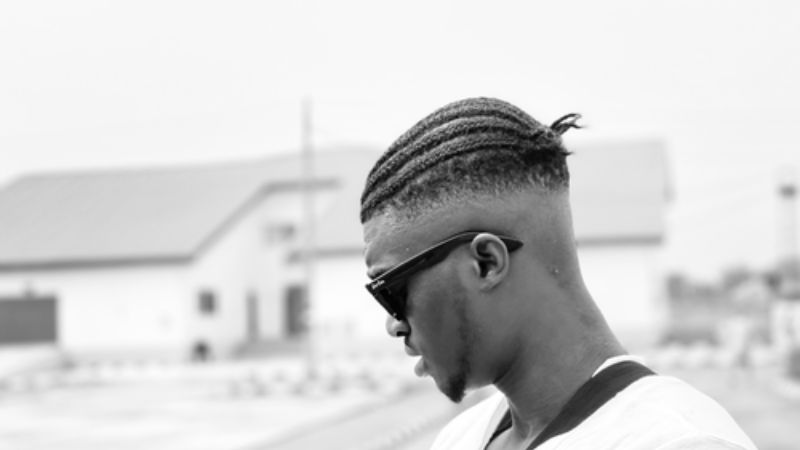
An undercut creates more contrast than a standard fade. First, the sides get shaved down close, sometimes to the skin. Meanwhile, the top hair stays noticeably longer and fuller. As a result, the strong difference between short sides and a longer top becomes the main feature of this version.
Styling stays flexible with this cut. For example, you can slick the top straight back for a polished finish. Alternatively, you can let it fall naturally for a looser, textured look. In addition, a firm-hold product keeps the longer top hair in place throughout the day.
Moreover, this combination works across different hair types. Straight, wavy, and curly hair can all carry the style. At the same time, it creates a bold look for nights out while still looking suitable for professional settings. Therefore, you can adjust the styling based on the occasion.
Mid Taper Fade with a Design
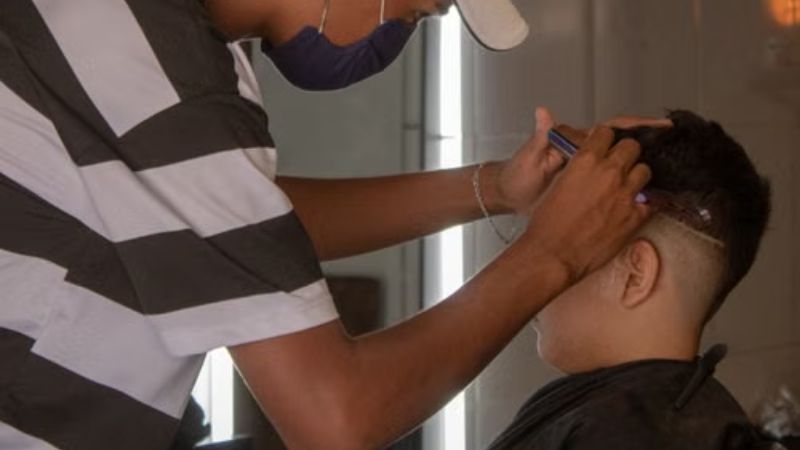
A shaved design turns the fade into something more personal. Barbers cut lines, shapes, or patterns directly into the short section. It changes a standard haircut into a small piece of visible detail.
This work takes a steady hand. Barbers usually sketch or plan the pattern before cutting. Simple straight lines work fine for a first design. More detailed patterns need someone experienced with fine trimmer work. Either way, the design needs regular upkeep to stay clean.
Younger guys tend to go bold with this option. Others keep it subtle with one thin line near the part. It works well for parties, sports season, or just wanting something a little different.
Mid Taper Fade Slick Back
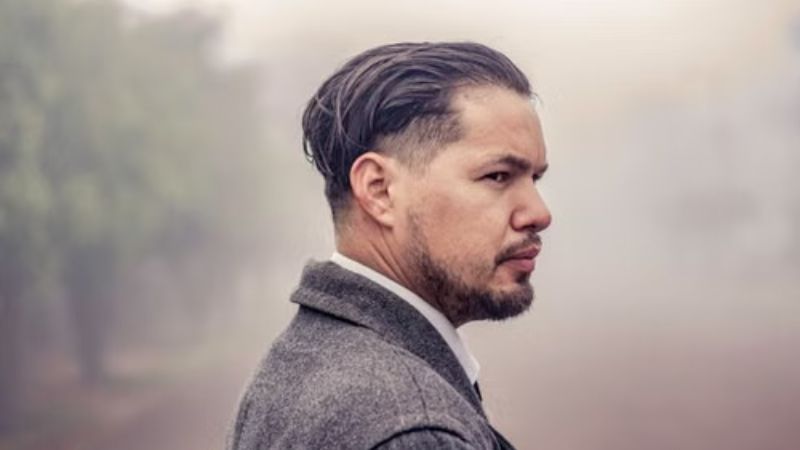
Combing hair straight back gives this cut a formal finish. Top hair lies flat and controlled. The fade underneath stays clean and understated by comparison. Together they read polished without much extra effort.
This one styles fast. Medium-to-long top length works best. A firm gel or pomade holds hair back through the day. Comb it through while hair is still slightly damp for the smoothest result.
It suits formal events without question. Weddings, interviews, dinners — all fair game. It’s also simple enough for an average workday, making it one of the more practical variations on this list.
Mid Taper Fade vs Other Taper Fades: Key Differences
Every taper fade starts from a different point on the head. That single detail changes how bold or subtle the finished cut looks. A mid version sits in the center of that range, which is exactly why it works for so many people.
Picking between them usually comes down to setting and comfort. Quieter workplaces lean toward lower fades. Trend-driven guys lean toward higher ones. Here’s how they stack up side by side.
| Fade Type | Starts At | Overall Look | Works Well For | Upkeep |
| Low Fade | Just above the ear | Quiet, understated | Formal jobs, conservative settings | Low |
| Mid Fade | Middle of the side, above the ear | Balanced, everyday-friendly | Most face shapes, most occasions | Moderate |
| High Fade | Near the temple | Bold, high-contrast | Trend-focused, street style | High |
| Skin Fade | Down to bare skin | Sharp, dramatic | Guys wanting maximum contrast | High |
| Drop Fade | Curves behind the ear | Distinctive, shaped | Thicker hair, creative cuts | Moderate-high |
| Standard Taper | Gradual shortening, no skin | Soft, natural | Office settings, low upkeep | Low |
Mid Taper Fade vs Low Taper Fade
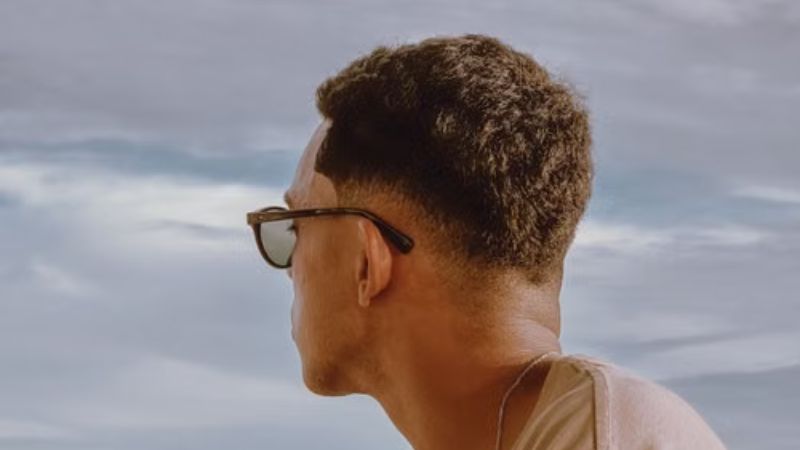
Fade height decides most of the difference here. A low fade begins just above the ear. A mid fade starts a little higher, closer to the middle of the side. That small gap in starting point changes how noticeable the cut looks.
Low fades suit quieter, formal environments. Office jobs and conservative settings usually call for this option. A mid taper fade hair style leans more versatile. It moves easily between casual weekends and structured workdays without looking out of place.
Both need regular trims to stay sharp. Low fades grow out a bit slower since less hair sits close to the skin. Mid fades need slightly more frequent visits. The choice mostly comes down to how much contrast feels right for you.
Mid Taper Fade vs High Taper Fade
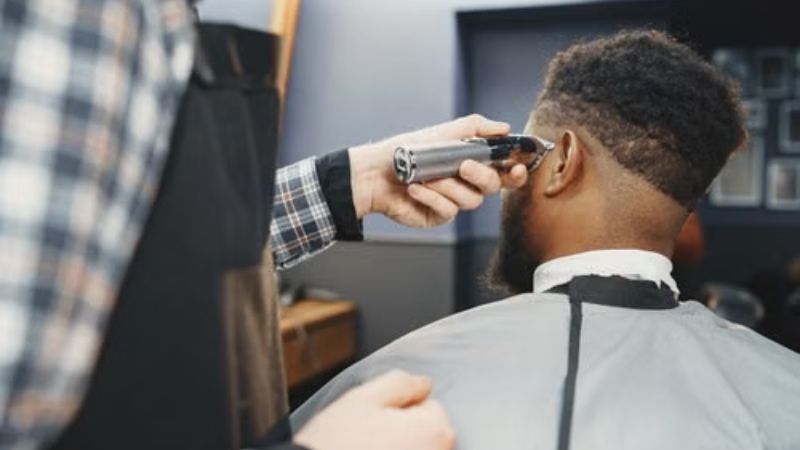
Starting height shapes the whole personality of a fade. A high fade begins near the temple, well above the ear. A mid fade sits lower, closer to the middle of the side. That difference creates two noticeably different results.
High fades draw attention immediately. The sharp, high contrast reads bold from across a room. A mid taper fade hair style feels calmer by comparison. It fits casual settings and dressier occasions with equal ease.
Upkeep differs slightly too. High fades need more frequent trims to avoid looking overgrown. Mid fades hold their shape a bit longer between visits. Your comfort with attention usually decides which one fits better.
How to Choose the Right Mid Taper Fade for You
Face shape is the first thing worth considering. Round faces usually benefit from added height on top. Square jawlines often suit softer, textured styles instead. Oval faces have the most flexibility and can wear nearly any version.
Hair type matters just as much. Straight hair holds sleek, controlled styles well. Curly hair shows off natural texture with less effort. Thick hair supports bigger styles like quiffs. Thinner hair often looks best kept closer and simpler.
A few other things worth weighing before your appointment:
- Daily routine: Less free time favors lower-maintenance cuts
- Workplace rules: Formal jobs favor cleaner, classic shapes
- Top length: Longer hair gives you more styling options later
- Face shape: Match the top style to balance your features
- Personal taste: There’s no wrong answer, only what suits you
Talk this through with your barber directly. Bring a photo if you have one in mind. A good barber will steer you toward whatever actually suits your hair, not just what’s trending.
How to Ask Your Barber for the Perfect Mid Taper Fade
Start the conversation with specifics. Say “mid taper fade” clearly, not just “fade.” Point to roughly where you want the blend to start. Vague requests almost always lead to results you didn’t ask for.
A reference photo helps more than words alone. It shows your barber the exact shape and length you’re picturing. Mention any extras up front too — a part, a design, a specific top length. The more detail you give early, the fewer surprises later.
Stay involved while the cut happens. Check the fade height partway through. Confirm top length before the final pass. Ask directly if something looks off. A good barber expects this back-and-forth and won’t mind the questions.
FAQs
1. What exactly is a taper fade hair style?
It’s a cut where hair shortens gradually from top to bottom, blending into little or no length near the skin.
2. How soon should I book a touch-up?
Every two to three weeks keeps the fade looking sharp and prevents it from growing out unevenly.
3. Will this style work with my hair type?
Yes. Barbers adjust the technique for straight, wavy, curly, or coily hair without changing the core cut.
4. Is a taper the same thing as a fade?
Not quite. A taper shortens hair gradually without reaching skin. A fade goes all the way down for sharper contrast.
5. Can I maintain this style without a barber?
Between visits, yes — a comb and light product keep it looking neat. The fade itself still needs a professional touch-up.
Conclusion
Few cuts offer this much range. A taper fade hair style adjusts to nearly any face shape, hair type, or occasion. It moves comfortably from a casual weekend to a formal event without needing a full restyle. Low, mid, or high, there’s a version that fits almost anyone.
If you’re ready to try it, book a barber and describe the mid version specifically. Bring a photo, explain your preferences, and stay involved during the cut. With a little upkeep, this style stays sharp for weeks at a time.

Hi, I’m Zia Umer, the creator and author behind BarberStyleHub. I enjoy researching men’s haircuts, hairstyles, grooming trends, and practical hair-care tips.
Through BarberStyleHub, I share easy-to-understand hairstyle guides, haircut ideas, styling tips, and grooming information to help men find styles that suit their hair type, face shape, and personal preference.
I focus on creating useful, well-researched content that readers can easily understand and apply to their everyday grooming routine.