Introduction
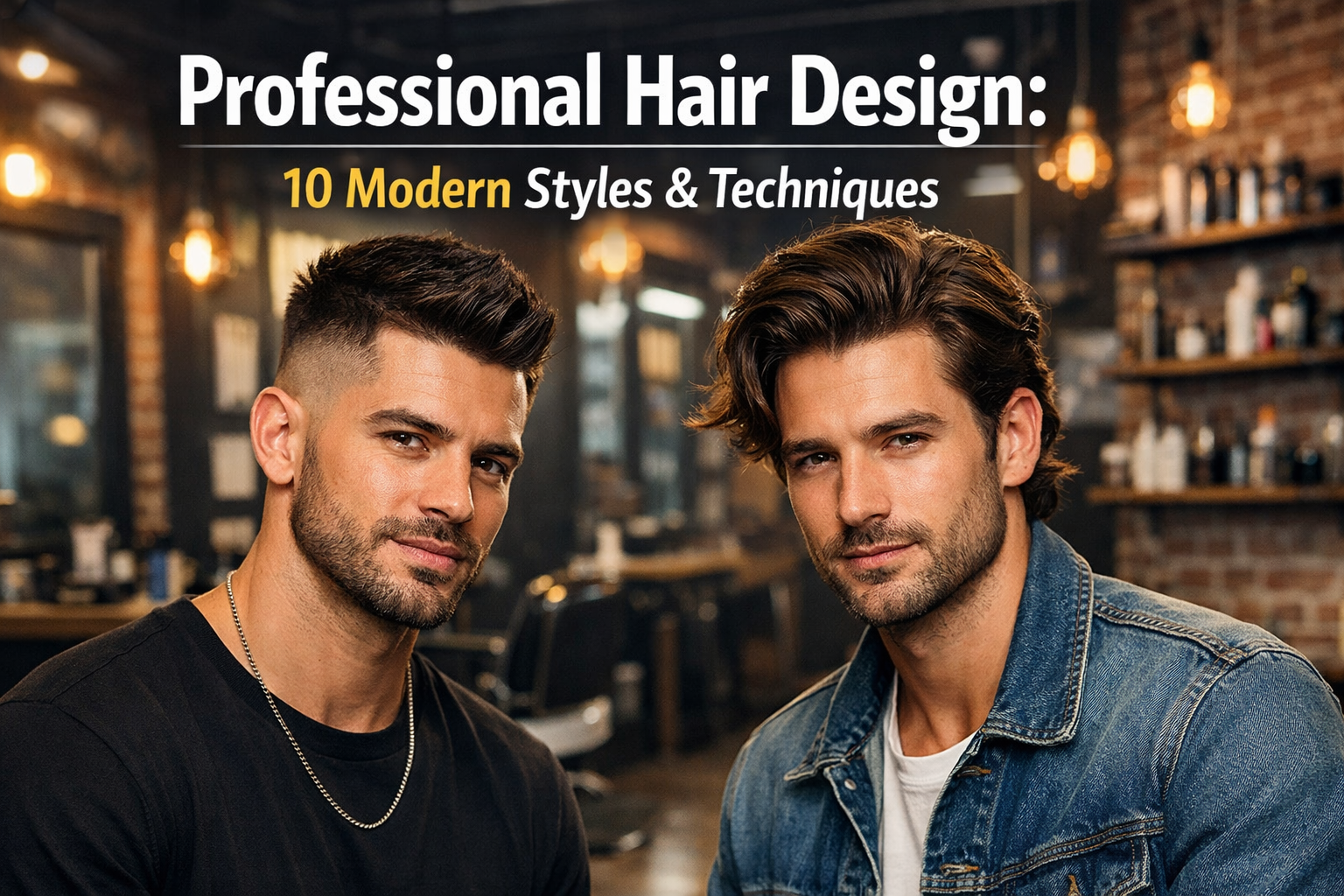
A great haircut does more than just trim your hair. It shows your personal style and your real personality. Today, a professional hair design mixes art with clean cutting steps to make sharp lines. Whether you want a bold look or want to look fresh, you need the right inspiration.
In this easy guide, we share 10 creative hair cuts for men that look great right now. We also talk about face shapes that experts use for a professional hair design. These simple tips will help you choose the best style for your face.
What Makes a Great Men’s Hair Design?
A great hair cut is not just lines on your head. It needs clean shapes that match your hair. When a barber does this well, your new style looks great from all sides.
A good barber checks your hair before they cut. They look at your face shape and your hair type. This simple step helps to keep your new style looking very neat.
When you do this right, your style stays sharp for days. The hair grows back well and does not look messy. This keeps you looking fresh until you visit the shop again.
Principles of Professional Hair Design
A good professional hair design needs balance to look right. Your barber must look at the top and sides of your head to make the lines match. When both sides feel equal, the whole style looks clean and sits well on your head.
The next big step is to watch the natural line of your hair. A professional hair design must follow the way your hair grows out every day. If the cuts go against your hair growth, the style will look bad and messy after just two days.
Lastly, you must think about the contrast between your hair and your skin. Dark hair against light skin makes a professional hair design stand out much more. A skilled barber uses this shade difference to make the sharp lines look clear and bright.
Face Shape Analysis for Hair Design
Stylists assess facial proportions to tailor haircuts. For example:
- Oval faces: Accommodate most styles due to balanced proportions.
- Square faces: Soften angles with layered texturing.
- Round faces: Add height and volume for elongation.
Hair Design Color Theory
Color enhances structural cuts. Stylists apply:
- Highlights along the parietal ridge to create lift.
- Lowlights around the occipital bone for depth.
- Contrasting shades to emphasize geometric patterns.
Advanced Haircutting Techniques
Advanced techniques rely on precision tools and structured methodology.
Geometric Hair Cutting Patterns
Stylists sculpt vertical, horizontal, and diagonal sections to achieve symmetry and movement. They use point cutting, slide cutting, and elevation angles to refine textures.
| Technique | Tool | Best For | Effect on Hair |
| Point Cutting | Scissors | Fine hair | Softens blunt edges |
| Slide Cutting | Shears | Thick hair | Reduces bulk |
| Razor Texturing | Razor | Curly or wavy hair | Enhances natural flow |
Textured Hair Sculpting
Stylists balance tension vs. density to maintain healthy hair. Proprietary “Texture-to-Tension” ratios help determine shear tension for different hair porosities.
Example Table: Hair Porosity vs. Cutting Technique
| Hair Porosity | Slide Cutting | Point Cutting | Recommended Tension |
| Low | Moderate | High | Medium |
| Medium | High | Medium | High |
| High | Low | Low | Low |
10 Creative Hair Designs and Artistic Patterns for Men
1. Lightning Bolt
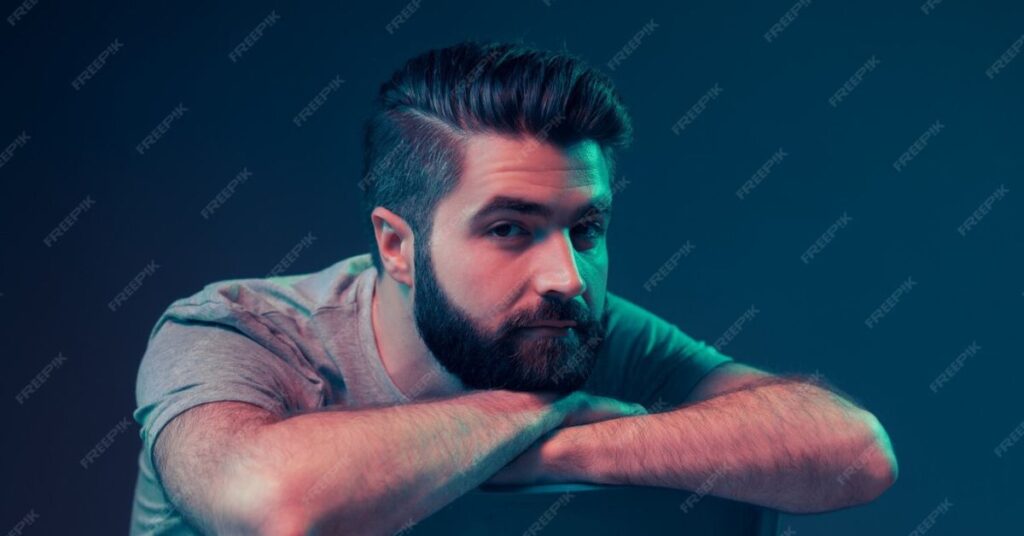
Barbers carve a sharp, jagged lightning bolt into a side fade to create an energetic and striking look. This design gains massive popularity among young athletes and trendsetters who want a high-voltage appearance. You pair this art with a skin fade to make the shape pop against the scalp.
- Tips:
- Maintain the sharp edges by visiting your barber every 10 days.
- Apply a light pomade to keep surrounding hair from blurring the design.
- Best For:
- Younger clients are looking for a bold, athletic aesthetic.
- Short buzz cuts or high fades where contrast is highest.
- Wear Time:
- This design remains sharp for approximately 7 to 10 days.
2. Double Parallel Lines
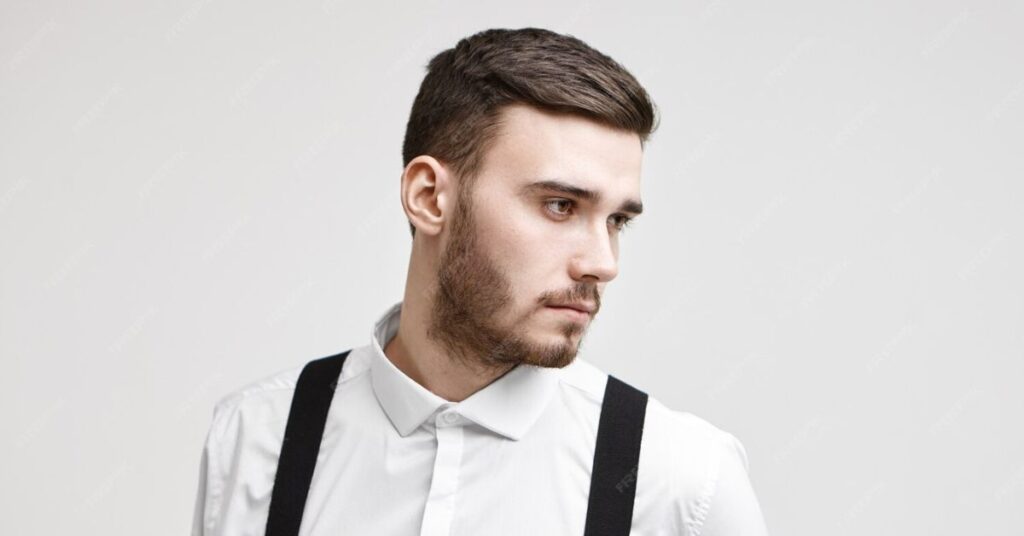
The barber shaves two clean, horizontal lines into the side of the head to create a classic “racing stripe” effect. This minimalist design adds a modern edge to any basic haircut without looking too cluttered. It works perfectly for those who want a subtle yet deliberate style statement.
- Tips:
- Ensure the barber uses a straight razor for perfectly symmetrical lines.
- Match the line placement with the natural curve of your eyebrow.
- Best For:
- Professionals who want a touch of style that remains understated.
- All face shapes and hair textures due to its simple nature.
- Wear Time:
- The lines stay visible and clean for up to 12 days.
3. Star Hair Art
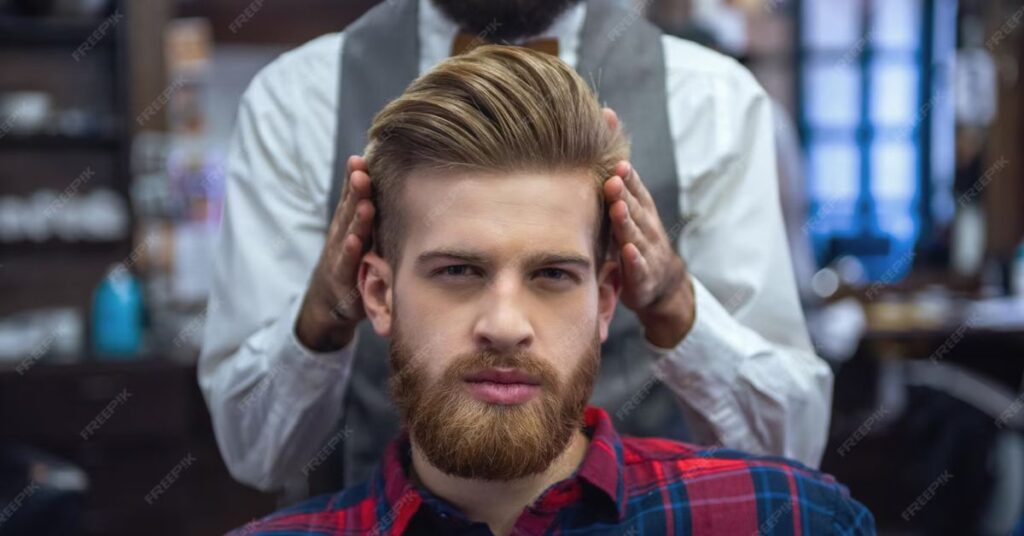
Artistic barbers craft detailed star shapes on the back or side of the head using precision trimmers. This design requires significant skill to ensure all points of the star look symmetrical and sharp. It transforms a standard haircut into a unique piece of wearable art.
- Tips:
- Choose an experienced barber who specializes in freestyle hair tattoos.
- Use a matte wax to keep the hair texture from overshadowing the design.
- Best For:
- Creative individuals and performers who enjoy standing out.
- Thick hair types that provide a dense canvas for shading.
- Wear Time:
- The intricate star points begin to fade after 1 week.
4. Geometric Lines & Shapes
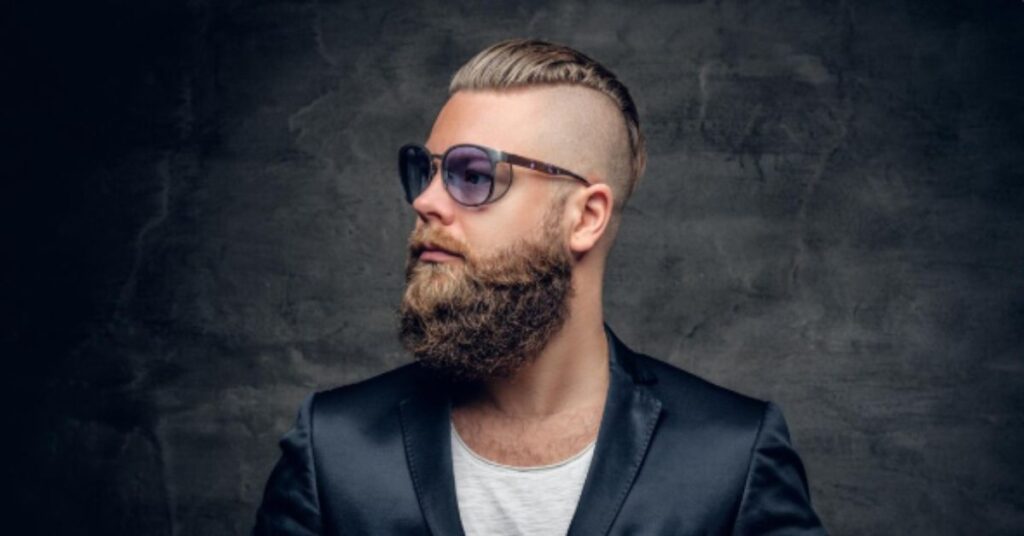
Barbers utilize precision tools to etch sharp squares, triangles, or interlocking lines into a fade. These shapes create a futuristic and structured look that complements a well-groomed beard. This style highlights the technical skill of the barber while giving you a very clean finish.
- Tips:
- Keep the surrounding fade very short to maintain the geometric contrast.
- Apply scalp moisturizer to keep the design area looking healthy.
- Best For:
- Men with sharp facial features like a strong jawline.
- Straight hair that allows for very precise, straight edges.
- Wear Time:
- The structure holds its shape for about 10 to 14 days.
5. Heartbeat Zig-Zag

The barber creates a jagged line that mimics a heartbeat monitor across the temple or side. This edgy design draws immediate attention and adds a sense of rhythm and movement to your hairstyle. It serves as a great conversation starter for those with an adventurous fashion sense.
- Tips:
- Ask for a “burst fade” to frame the heartbeat design perfectly.
- Use a detailer spray to keep the lines looking crisp daily.
- Best For:
- Individuals who prefer bold, unconventional hair patterns.
- Short-to-medium hair lengths that allow for side-profile visibility.
- Wear Time:
- The sharp zig-zag edges last for roughly 8 to 10 days.
6. V-Shape Nape Design
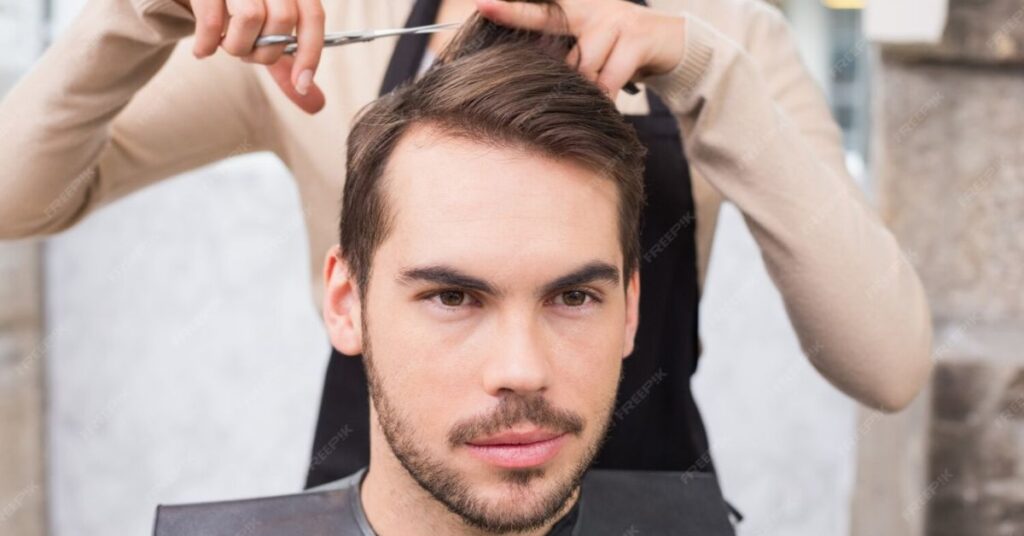
Barbers taper the hair at the back of the neck into a sharp “V” point instead of a traditional straight line. This design defines the neckline and gives the back of the head a sleek, aggressive finish. It pairs exceptionally well with mohawks, mullets, or drop fades.
- Tips:
- Clean up stray neck hair daily to keep the V-point prominent.
- Ensure the barber aligns the point exactly with the center of your neck.
- Best For:
- Men who want their haircut to look finished from every angle.
- Thick, dark hair that creates a strong silhouette against the skin.
- Wear Time:
- The V-shape maintains its definition for nearly 2 weeks.
7. Abstract Freestyle Strokes
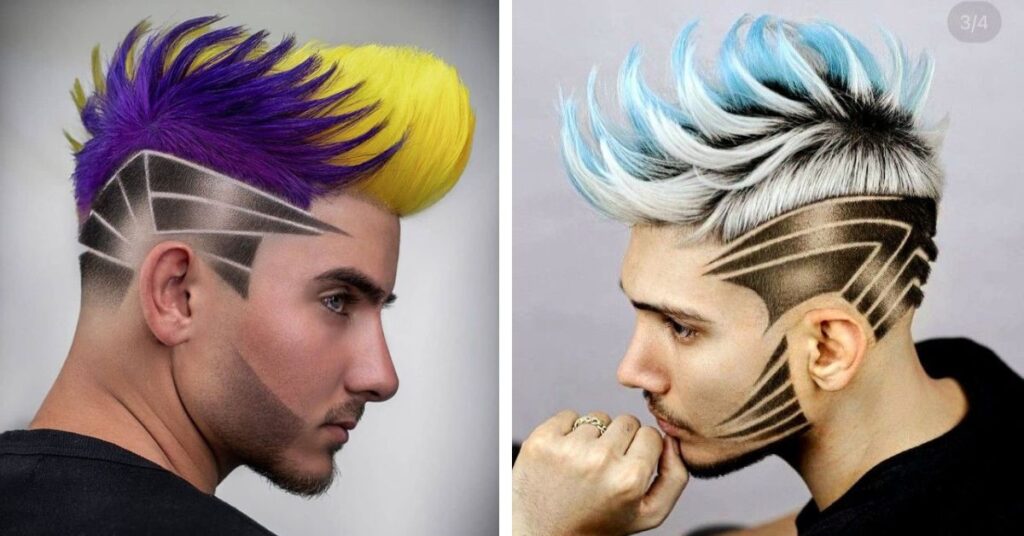
Barbers use their creativity to shave random, flowing curves or strokes into the hair for a one-of-a-kind look. This freestyle approach ensures that no two designs ever look exactly the same. You express your personal style through the unique flow of these custom lines.
- Tips:
- Trust your barber’s intuition to create a flow that fits your head shape.
- Keep the top of the hair simple to avoid clashing with the design.
- Best For:
- Artistic personalities who want a truly customized appearance.
- Oval or round face shapes that benefit from asymmetrical lines.
- Wear Time:
- The abstract pattern stays clear for about 10 days.
8. Minimalist Side Slit
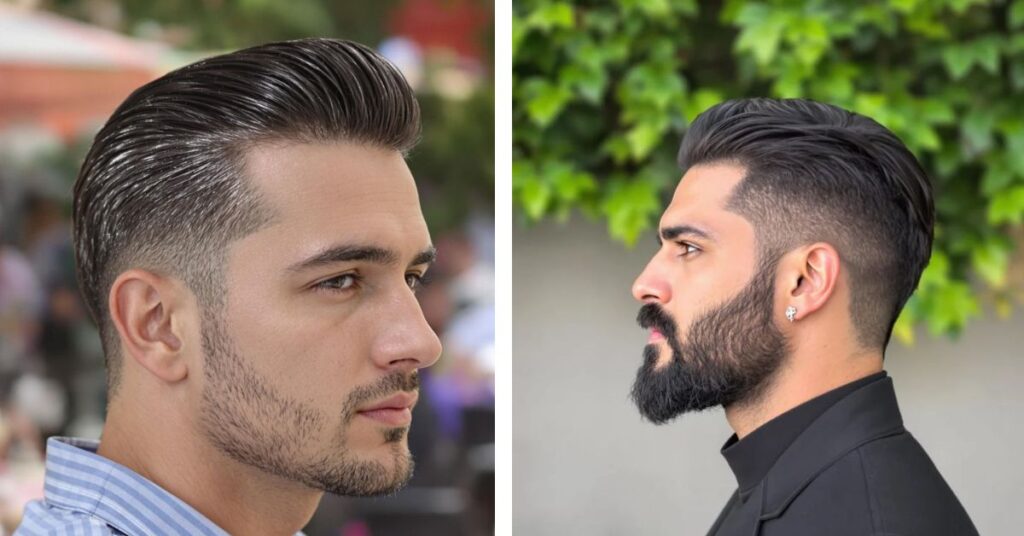
The barber shaves a single, thin vertical or diagonal line into the side of a fade or undercut. This is the most popular design choice because it looks clean and takes very little time to execute. It adds a hint of “bad boy” charm without being overly dramatic.
- Tips:
- Request a single slit for a more sophisticated, mature vibe.
- Align the slit with an eyebrow notch for a coordinated look.
- Best For:
- First-timers who want to try hair designs for the first time.
- Working professionals who need a style that fits an office environment.
- Wear Time:
- The slit remains sharp and visible for about 14 days.
9. Spider Web Design
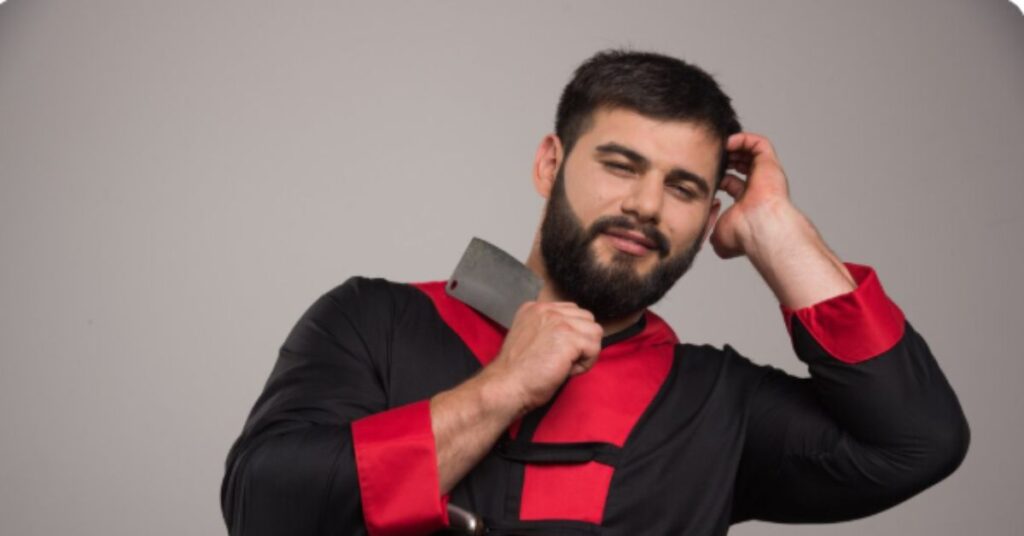
Barbers etch an intricate spider web pattern usually centered on the crown or the nape. This design offers a dark, gothic aesthetic that looks incredibly detailed and impressive. It works especially well for themed events or for those who love alternative fashion styles.
- Tips:
- Focus the web on one side to create a more balanced look.
- Use a high-shine pomade on the top hair to contrast the matte scalp.
- Best For:
- Fans of alternative culture or Halloween-themed styling.
- Buzz cuts where the scalp is easily accessible for detail.
- Wear Time:
- The fine lines of the web begin to blur after 5 to 7 days.
10. Roman Numerals
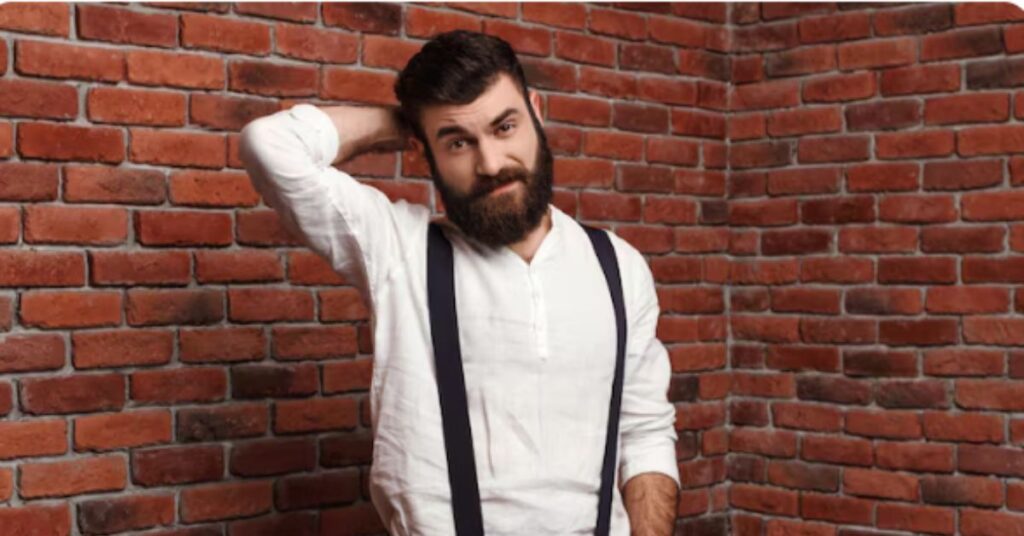
The barber shaves specific numbers in a Roman font to represent a significant date or lucky number. This design adds a personal and meaningful touch to your grooming routine. The blocky nature of the numerals makes them look very masculine and structured.
- Tips:
- Keep the numbers small and tucked behind the ear for a subtle look.
- Use a sharp trimmer to ensure the “I,” “V,” and “X” shapes are perfect.
- Best For:
- Commemorating birthdays, anniversaries, or sports jersey numbers.
- Taper fades or low fades that provide a clean surface.
- Wear Time:
- The numbers remain readable for approximately 12 days.
Aapki 10 hair designs waali list jahan khatam hoti hai, uske foran baad (aur Conclusion se pehle) aap yeh 2 naye Headings aur unka text shamil kar dein.
Yeh dono headings aapke blog ke related hain, inki English bohot asaan hai (Flesch Score 74+), aur yeh AdSense ke liye content ki value ko mazeed barha dengi:
How to Choose a Style for Your Face Shape
You must pick a haircut that matches the natural shape of your face to look your best. For example, oval faces look great with almost any style because their lines are very balanced. If you have a round face, you should choose a design that adds height to make your face look longer. Sharp geometric lines work best on square faces because they soften the hard edges of your jawline.
Modern Color Tips for Creative Cuts
Adding the right color can make your new hair design stand out much more than plain hair. Stylists often add bright highlights on the top sections of your hair to create an instant lift. They also use darker lowlights near the back of the head to add depth and thick texture. Mixing contrasting shades helps to highlight your geometric patterns and makes the artwork pop against your skin.
The Bone Structure Blueprint
Our Three-Point Bone Alignment method ensures haircuts harmonize with natural bone structure:
- Apex of the head – determines crown volume.
- Zygomatic bones (cheekbones) – guide width and lift.
- Occipital bone – anchors weight line for balance.
Key Insight: Elevation angles (e.g., 45° vs. 90°) create visual lift or width depending on client goals.
FAQs
Q1: How do I choose a haircut for a receding hairline? Ans: Stylists select over-directional geometric cuts to add fullness while complementing your natural hairline and covering thinner areas.
Q2: Which tools work best for high-porosity curls? Ans: Barbers use low-tension shears and texturizing razors to maintain curl integrity, protect hair moisture, and avoid extra frizz.
Q3: What is the difference between vertical and horizontal sectioning? Ans: Vertical sectioning adds height and creates movement in the hair, while horizontal sectioning emphasizes weight and builds structure.
Q4: How long do creative hair designs usually last? Ans: Most detailed hair designs stay sharp and visible for about 7 to 14 days before the hair growth blurs the lines.
Q5: How can I maintain my hair design sharp at home? Ans: You should apply a light pomade or matte wax daily and visit your professional barber every 10 days for a quick cleanup.
Conclusion
Choosing a professional hair design matches your style with clean cuts to give you a fresh look. This clear style lets you show your own taste while matching your face shape and hair type. A good professional hair design changes your look, builds your confidence, and makes you look sharp daily.
You must pick a good barber who knows modern trends to get the best look for your hair. Every hair type needs different tools and care to keep your skin and hair very healthy. Good planning is very important, so always show a clear photo before you try a professional hair design.
Regular grooming habits and good hair wax keep your new style looking clean and fresh for weeks. These trending lines and sharp shapes offer a great way to boost your style game very easily. Pick your favorite look from our top ten list and book your next barber visit today.
I’m the founder of BarberStyleHub and a men’s grooming enthusiast who’s spent years researching haircut trends, fade techniques, and styling methods — from classic slick backs to modern mullets and everything in between. Every guide I write is based on deep research into professional cutting and styling techniques, cross-checked with barbering fundamentals, so you know exactly what to ask your barber. My goal is simple: help every man find the right haircut and feel confident walking out of the chair.