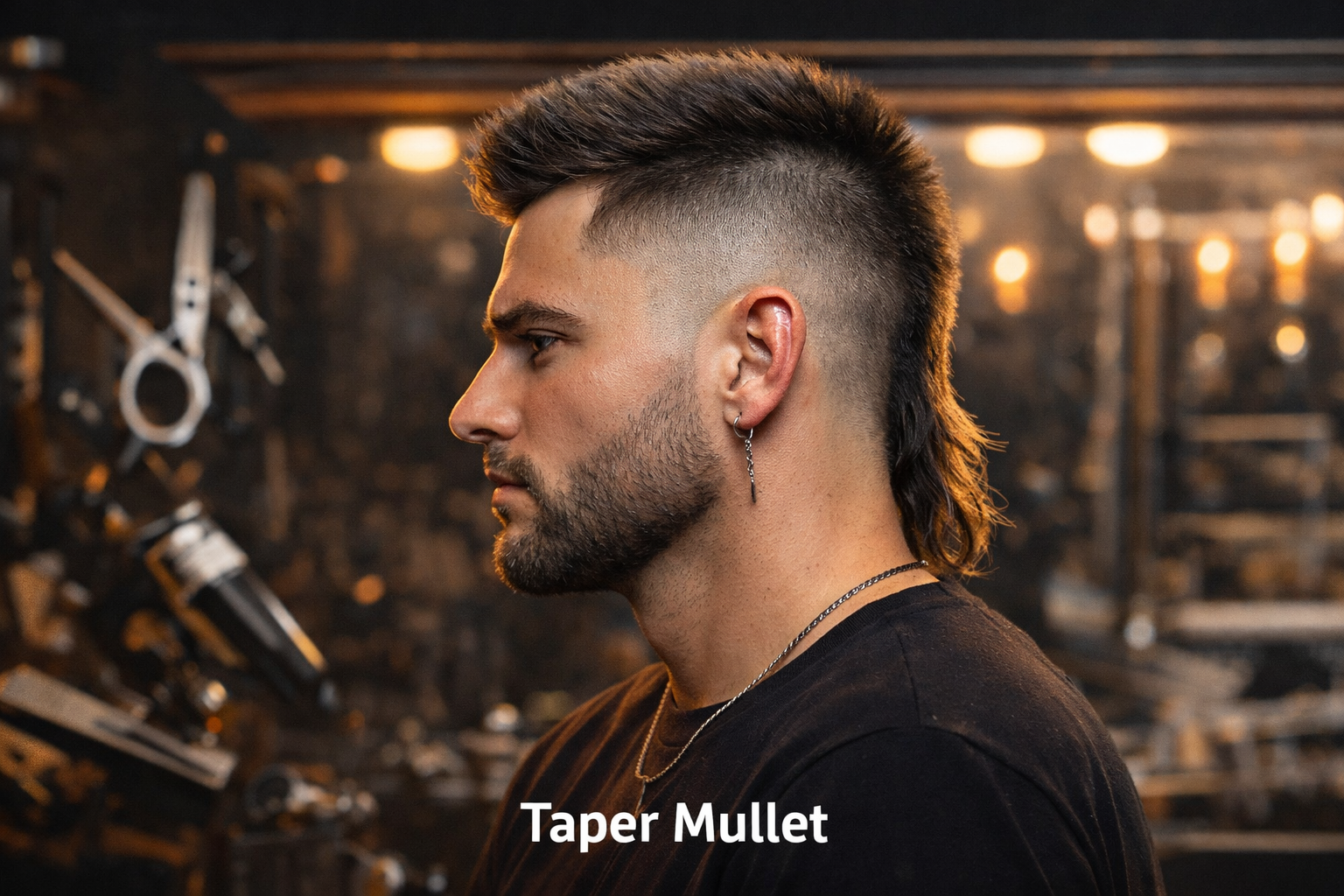
Mullet haircut styles have become one of the most talked-about trends in modern men’s grooming. Barbers now update the mullet haircut with modern fades, textured layers, and personalized proportions that suit different hair types and lifestyles.
Today’s stylists refine the mullet haircut by balancing structure in the front with controlled length in the back. With the right cutting techniques and styling routine, the mullet haircut delivers a versatile look that blends retro inspiration with modern grooming trends.
Understanding the Modern Mullet Haircut
The mullet haircut keeps shorter hair at the front and sides while leaving longer hair at the back. Modern barbers refine this structure with fades, layers, and texture adjustments.
Stylists adapt the mullet haircut to suit various hair types, including straight, curly, thick, or thinning hair. The mullet haircut now focuses on balance rather than extreme contrast, making it wearable in both casual and professional settings.
Barbers create each mullet haircut by layering and tapering the sides while maintaining controlled back length. A well-cut mullet haircut enhances texture, movement, and volume across the crown and tail.
With proper styling, the mullet haircut works for any lifestyle, and regular maintenance keeps the mullet haircut looking fresh and modern.
Key Characteristics of a Modern Mullet
| Feature | Description |
| Shorter Front | Barbers keep the fringe and top controlled for clean styling. |
| Tapered Sides | Stylists often apply fades or tapers to modernize the shape. |
| Longer Back | The back section creates the signature mullet silhouette. |
| Textured Layers | Barbers add layers to prevent bulk and improve movement. |
Popular Types of Mullet Haircuts
Barbers now offer many variations that fit different styles and hair textures.
Modern Mullet
The modern mullet haircut blends gradual fades with textured layers. Barbers shape the mullet haircut carefully, keeping the transition subtle to create a clean and wearable look.
Key points
- Uses soft tapering on the sides
- Maintains moderate length at the back
Burst Fade Mullet
Barbers shape the fade around the ear in a curved “burst” pattern. This design highlights the back length while keeping the sides sharp.
Key points
- Creates strong contrast
- Popular among younger clients
- Pairs well with thick or wavy hair
Curly Hair Mullet
Stylists design this version specifically for men with natural curls. They focus on layering techniques that preserve curl definition.
Key points
- Emphasizes natural texture
- Requires moisture-focused styling products
- Works best with mid-length curls
Shaggy Layered Mullet
This variation combines the mullet with shag-style layering. Barbers create soft movement throughout the crown and back.
Key points
- Delivers a relaxed, rock-inspired style
- Adds volume and movement
- Works well for medium to thick hair
High Skin Fade Mullet
Barbers use a dramatic skin fade on the sides to create sharp contrast with the longer back section.
Key points
- Creates a bold modern appearance
- Requires frequent barber visits
- Works best with straight or slightly wavy hair
Euro Mullet
The Euro mullet emphasizes length, soft texture, and natural drape. Stylists avoid aggressive fades and focus on balanced layers.
Key points
- Popular in fashion-forward styles
- Uses longer crown layers
- Maintains a relaxed silhouette
30 Mullet Haircut Styles to Try
These mullet variations show how barbers adapt the classic shape to modern trends. Each style balances front structure, side control, and back length in a unique way.
1. Modern Taper Mullet
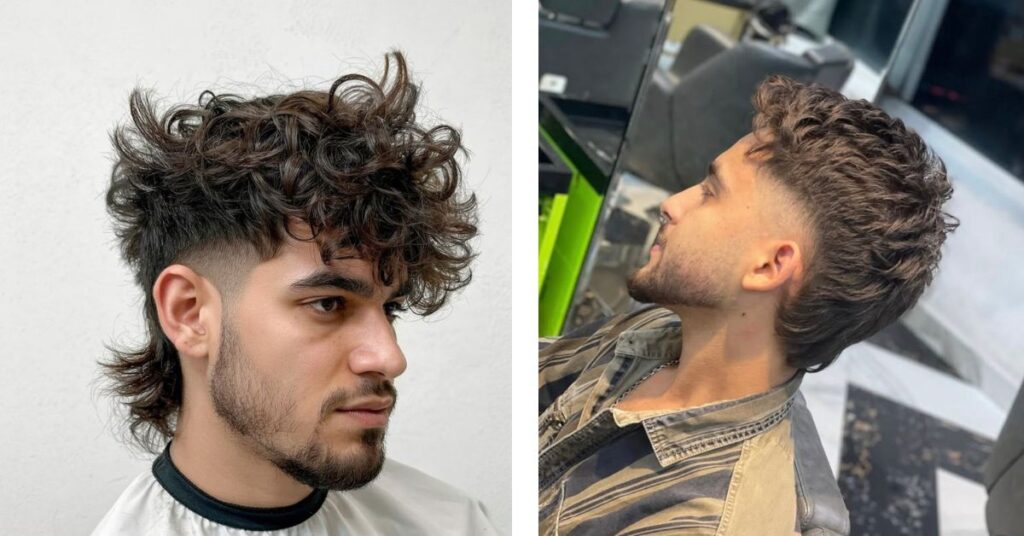
Barbers blend a soft taper with controlled back length. This style delivers a clean and balanced silhouette.
- Clean side taper
- Moderate back length
- Easy everyday styling
2. Burst Fade Mullet
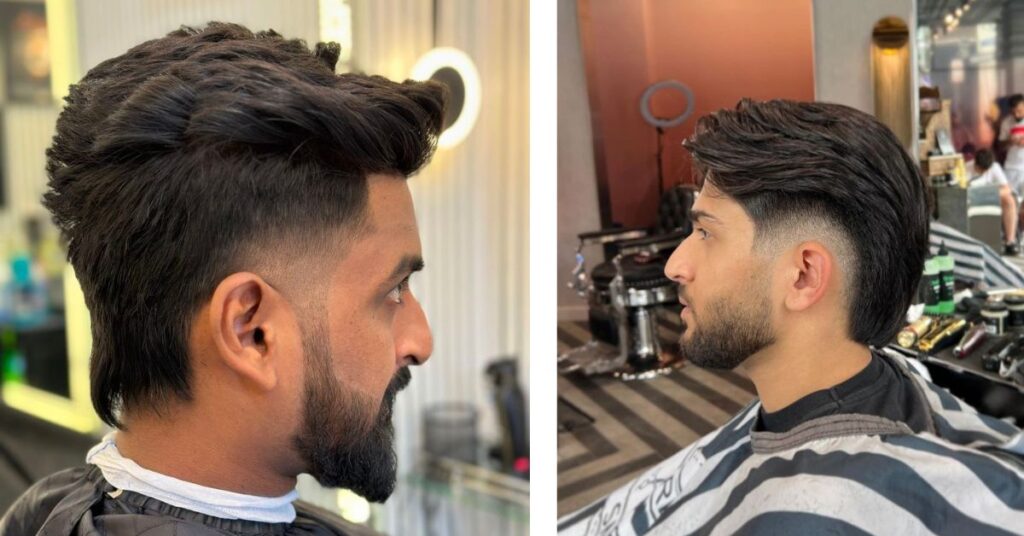
Barbers shape the fade around the ear in a curved burst pattern. The fade highlights the longer back section.
- Curved burst fade
- Strong contrast
- Popular street style
3. Low Fade Mullet
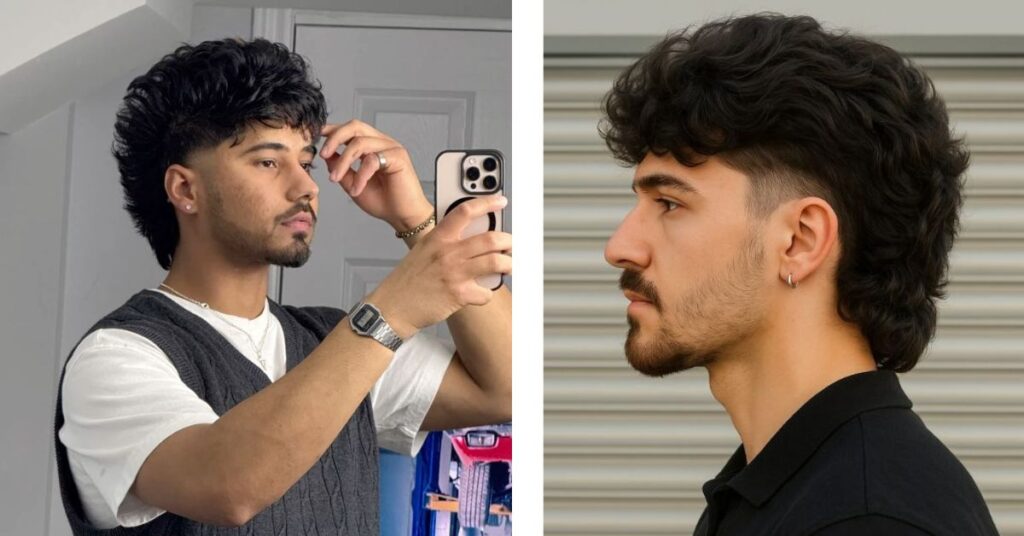
Barbers keep the fade subtle and low on the sides. The result looks clean and workplace-friendly.
- Low side fade
- Smooth transition
- Professional appearance
4. High Skin Fade Mullet
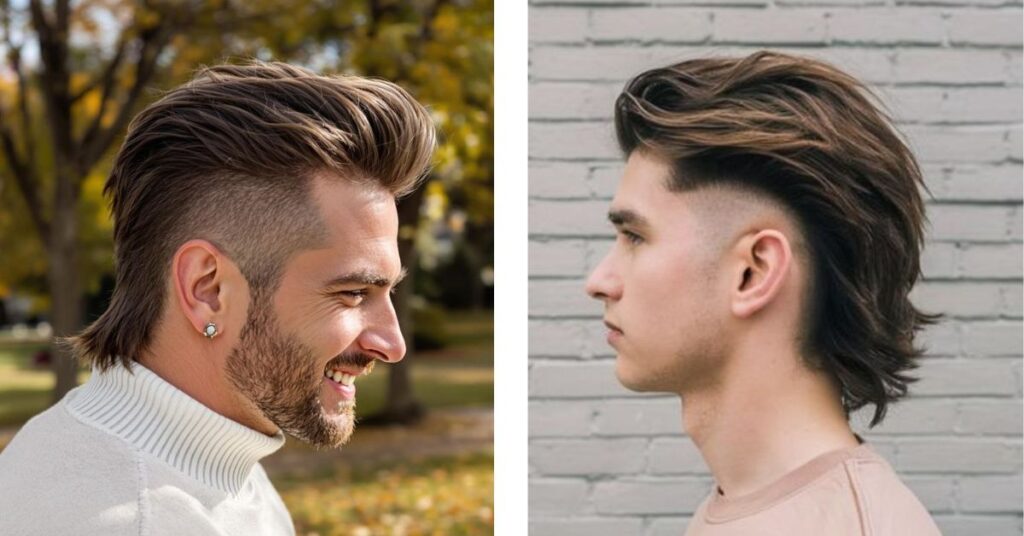
Barbers create dramatic contrast by shaving the sides high and tight. The longer back becomes the focal point.
- High skin fade
- Sharp structure
- Bold modern look
5. Curly Texture Mullet
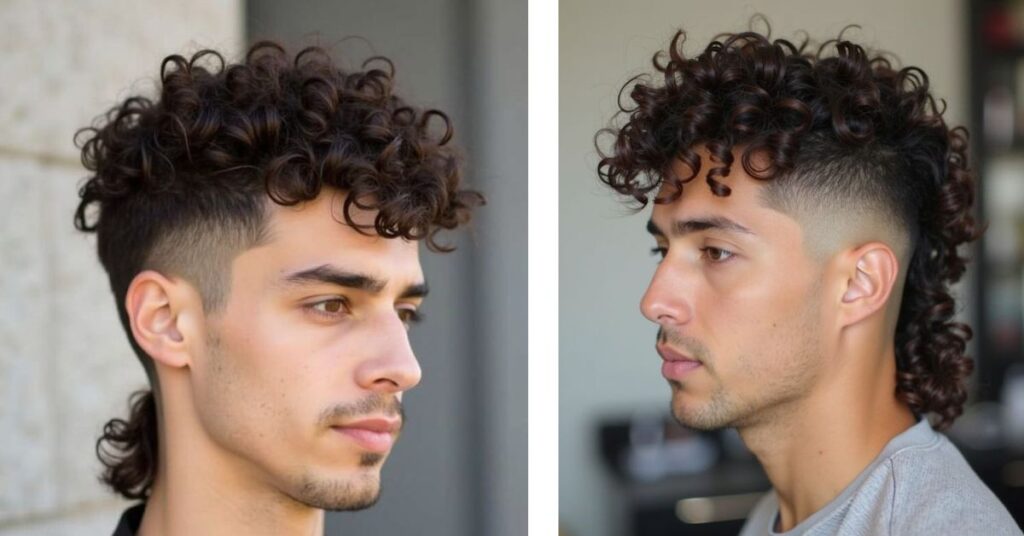
Stylists design this version for natural curls. Layering keeps curls defined and full of movement.
- Natural curl definition
- Layered crown
- Volume in the back
6. Shaggy Layered Mullet
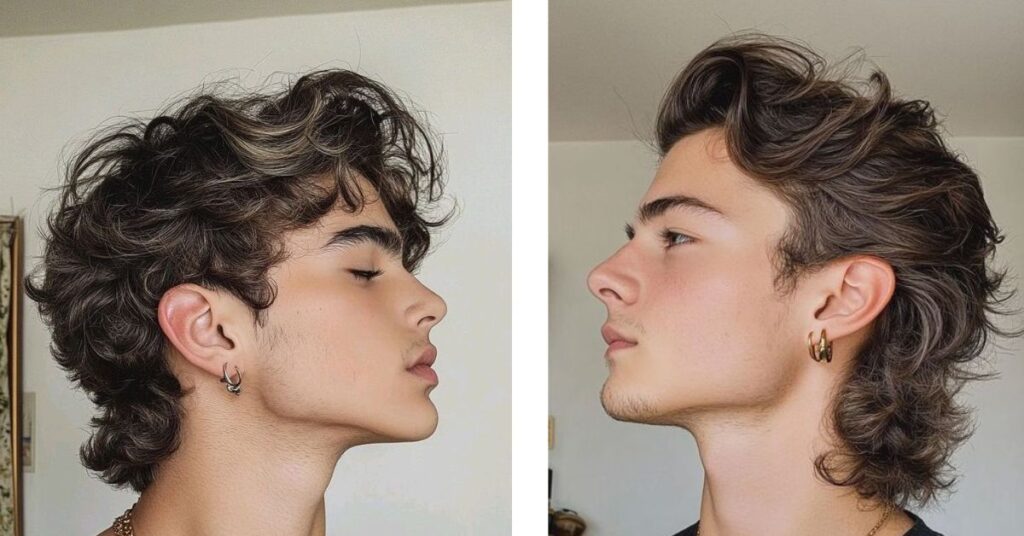
Barbers combine shag layers with the classic mullet structure. The cut creates relaxed texture throughout the hair.
- Soft layered texture
- Loose movement
- Rock-inspired vibe
7. Short Mullet
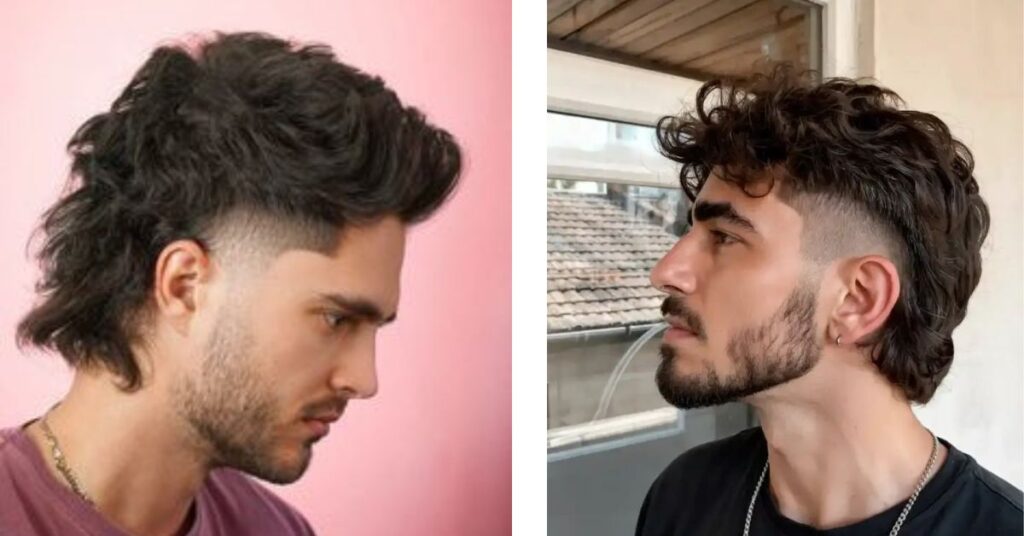
Barbers keep the entire haircut compact and controlled. This version suits men who prefer minimal length.
- Short back length
- Subtle contrast
- Easy maintenance
8. Long Tail Mullet
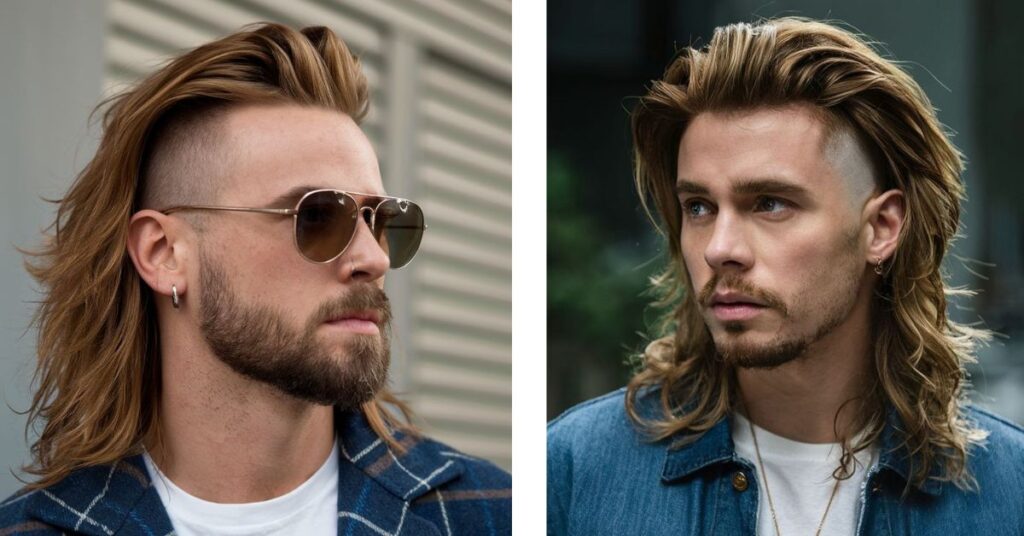
Barbers leave noticeable length in the back while keeping the top structured. The style highlights the traditional mullet shape.
- Extended back section
- Defined top
- Strong visual identity
9. Textured Crop Mullet
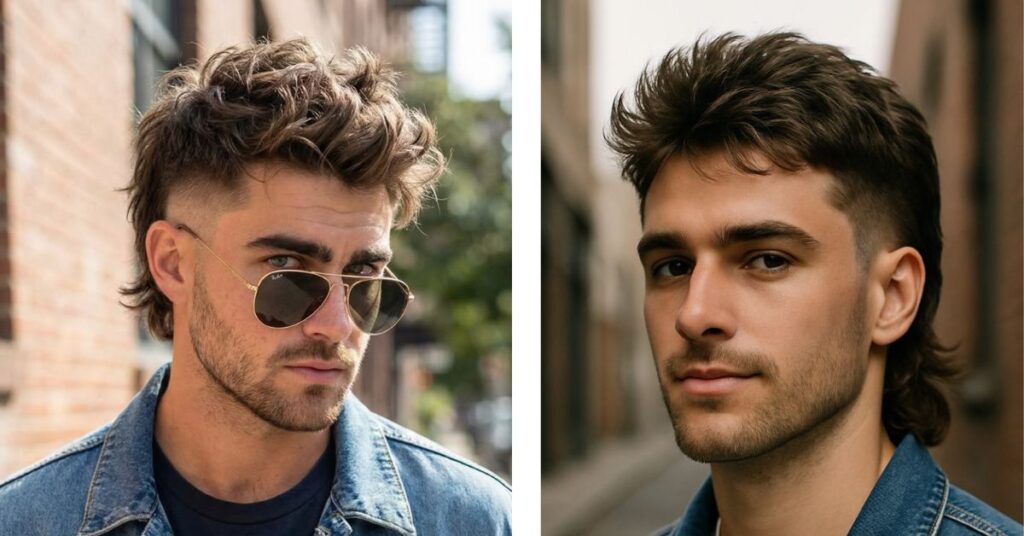
Barbers pair a textured crop on top with a tapered back section. This cut creates a modern streetwear aesthetic.
- Choppy fringe
- Textured crown
- Clean sides
10. Middle Part Mullet
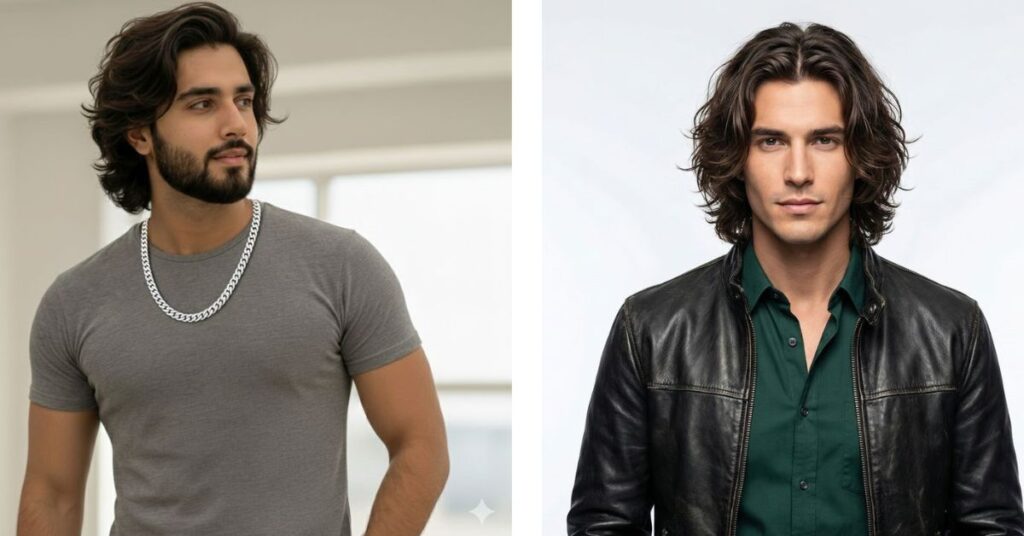
Stylists divide the top hair into a center part. The longer back completes a balanced retro silhouette.
- Center-part styling
- Soft flow
- Vintage influence
11. Wolf Cut Mullet
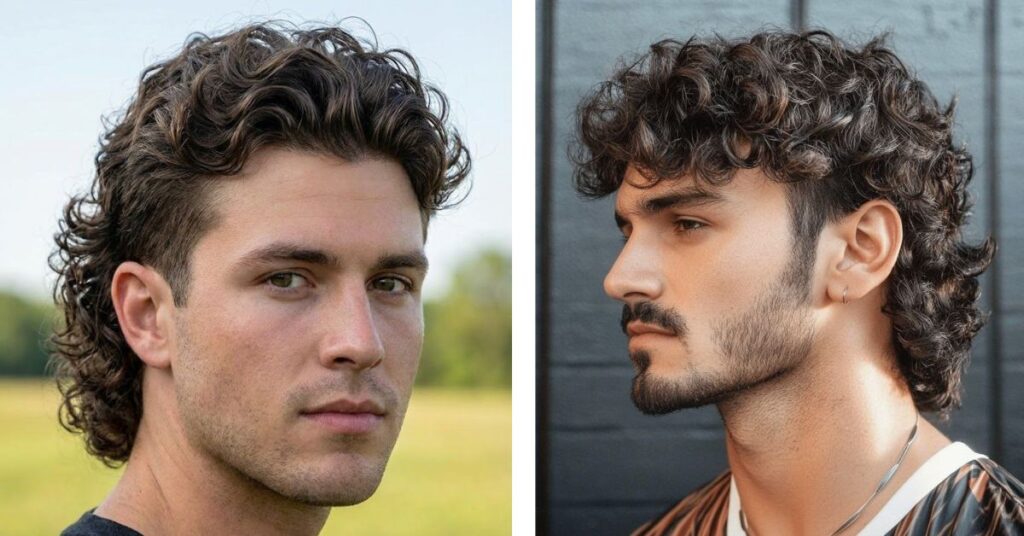
Barbers mix shag layers with mullet proportions. This style delivers strong texture and dramatic volume.
- Heavy layering
- Thick crown volume
- Fashion-forward style
12. Taper Fade Mullet
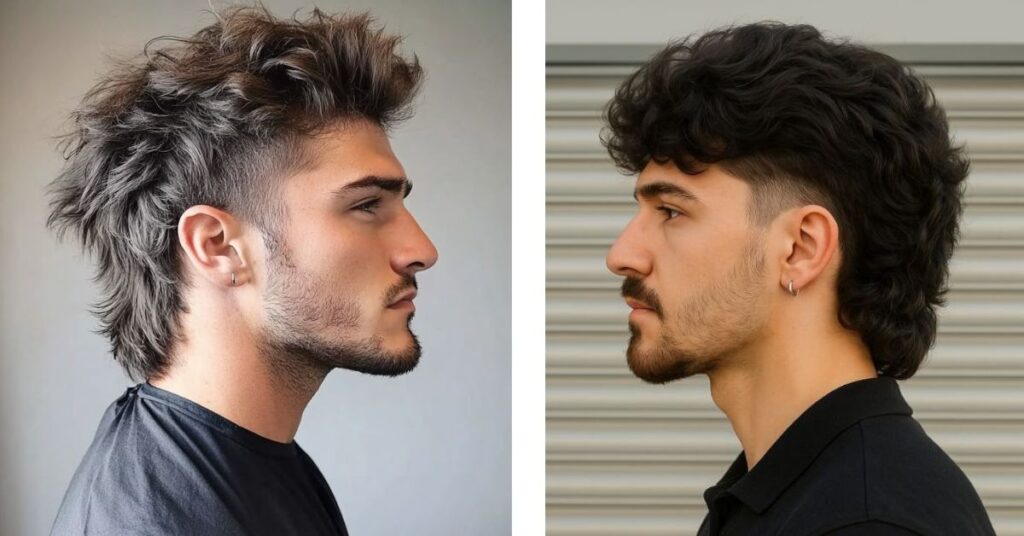
Barbers create a gradual taper near the neckline and sideburns. The fade keeps the style clean and refined.
- Gentle taper fade
- Controlled back length
- Balanced silhouette
13. Permed Mullet
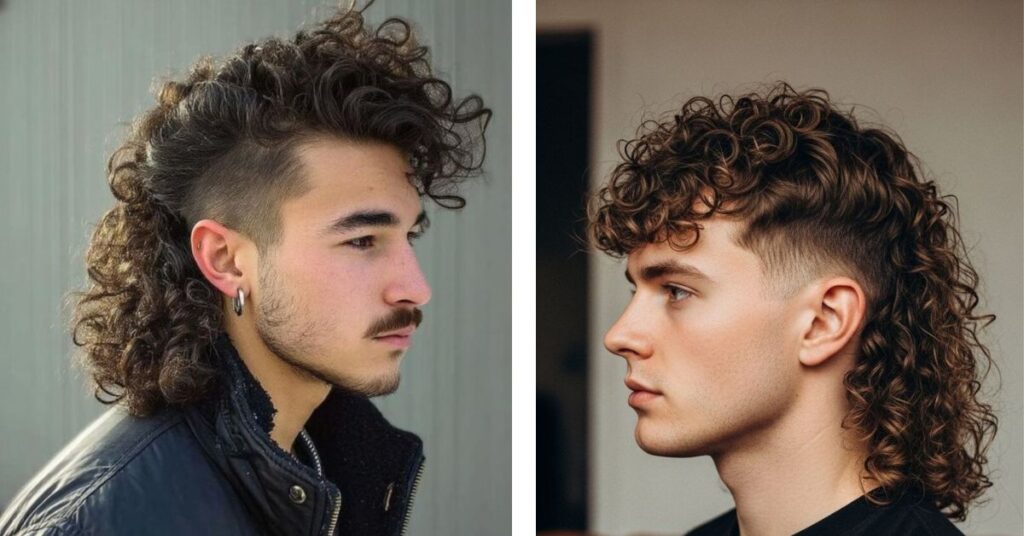
Stylists add curls through a perm treatment. The added texture creates movement throughout the cut.
- Defined curls
- Added volume
- Bold texture
14. Straight Hair Mullet
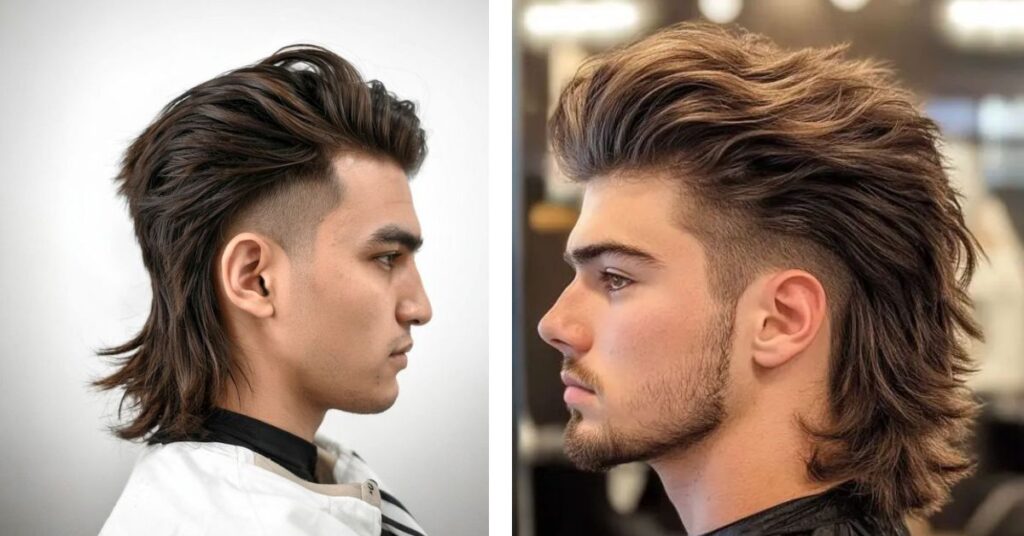
Barbers shape clean lines and controlled layers. Straight hair highlights the silhouette clearly.
- Smooth structure
- Defined layers
- Sleek finish
15. Disconnected Mullet
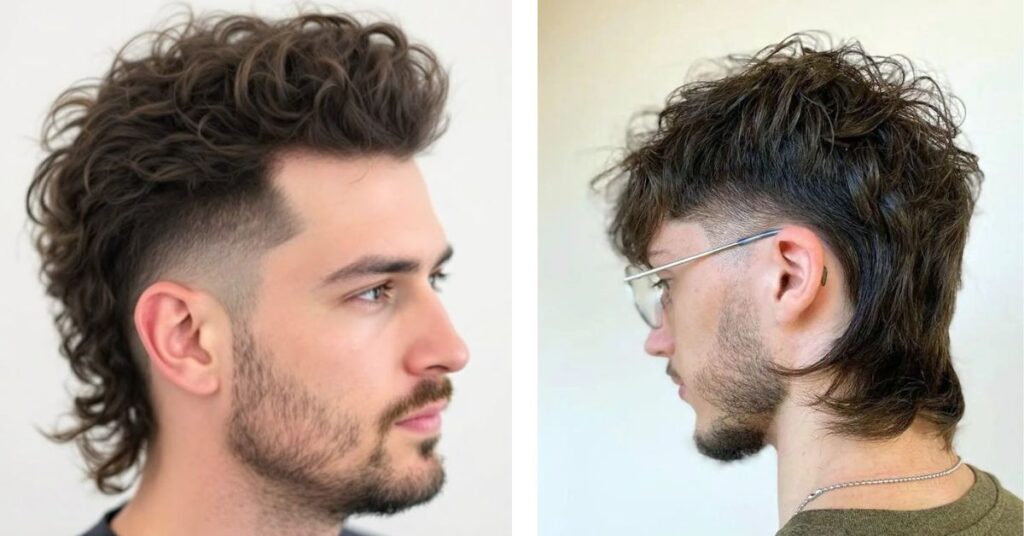
Barbers create strong contrast between the top and sides. The disconnected transition gives the cut an edgy feel.
- Sharp separation
- Strong structure
- Trend-focused design
16. Retro Classic Mullet
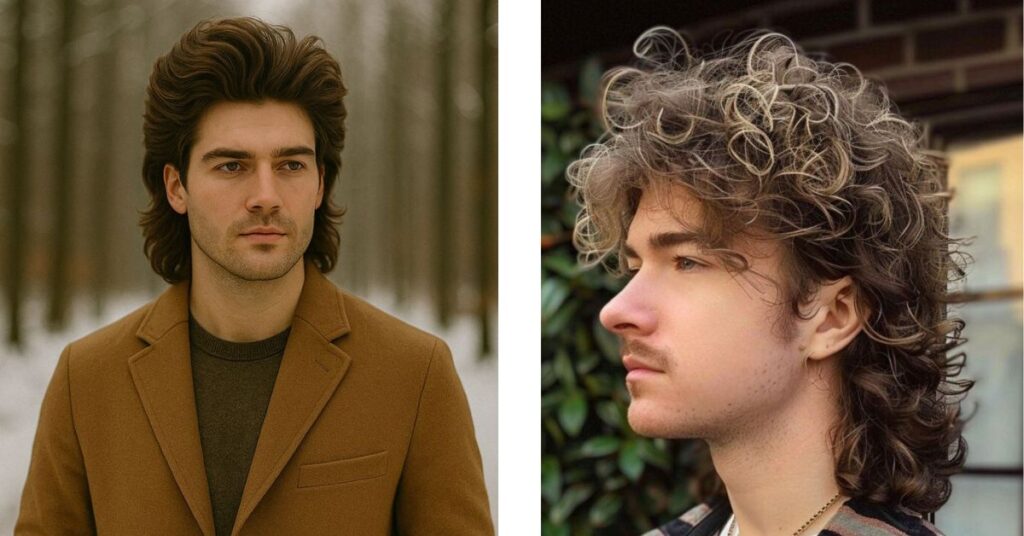
Barbers recreate the traditional mullet shape from the 80s. The style keeps strong contrast between front and back.
- Classic silhouette
- Longer back section
- Vintage appeal
17. Undercut Mullet
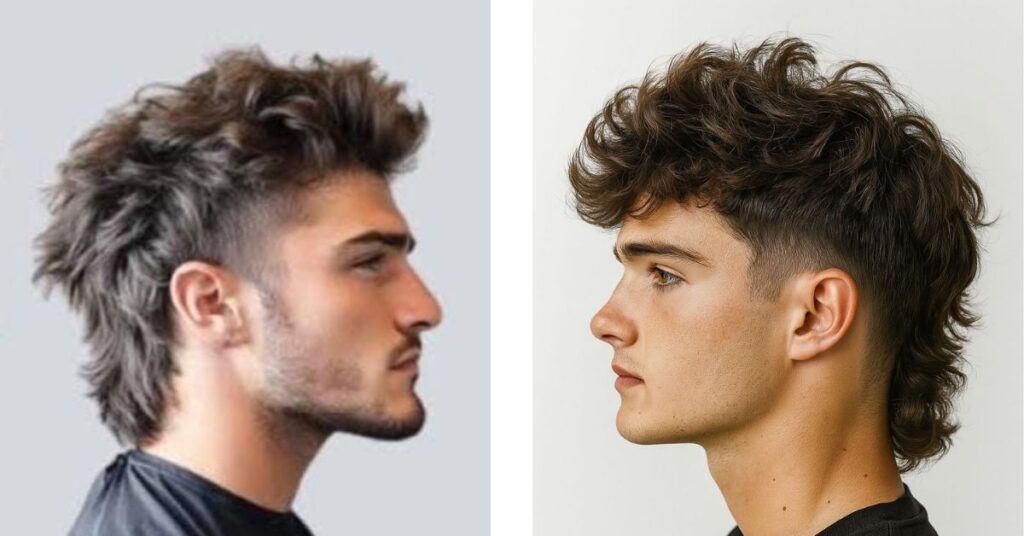
Barbers shave the sides underneath while leaving length on top and back. The contrast creates a bold shape.
- Clean undercut sides
- Dramatic contrast
- Modern street look
18. Messy Texture Mullet
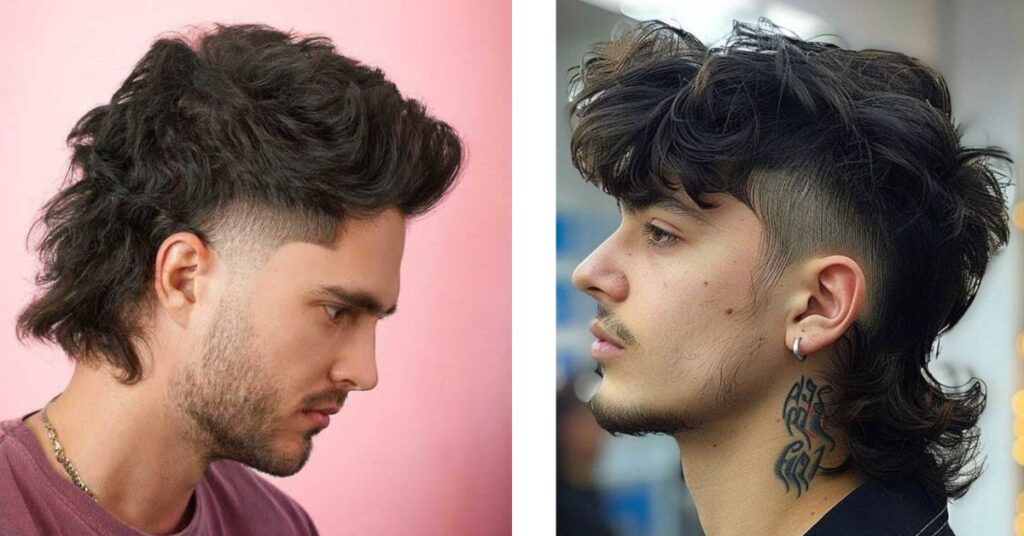
Stylists add rough texture and movement throughout the cut. The result feels casual and effortless.
- Loose styling
- Textured crown
- Relaxed appearance
19. Wavy Mullet
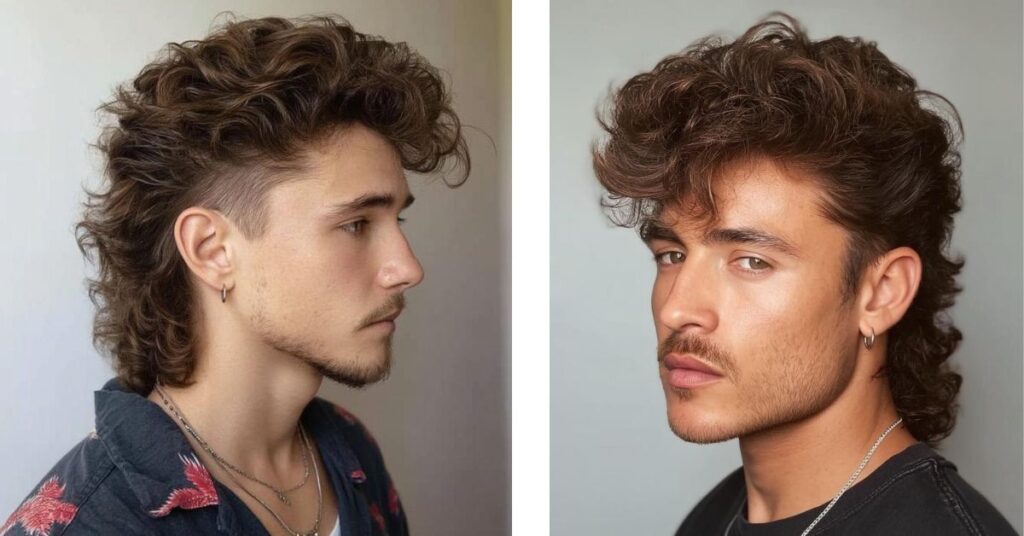
Barbers shape layers that enhance natural waves. The back length flows naturally with movement.
- Natural waves
- Soft layering
- Balanced volume
20. Asian Style Mullet
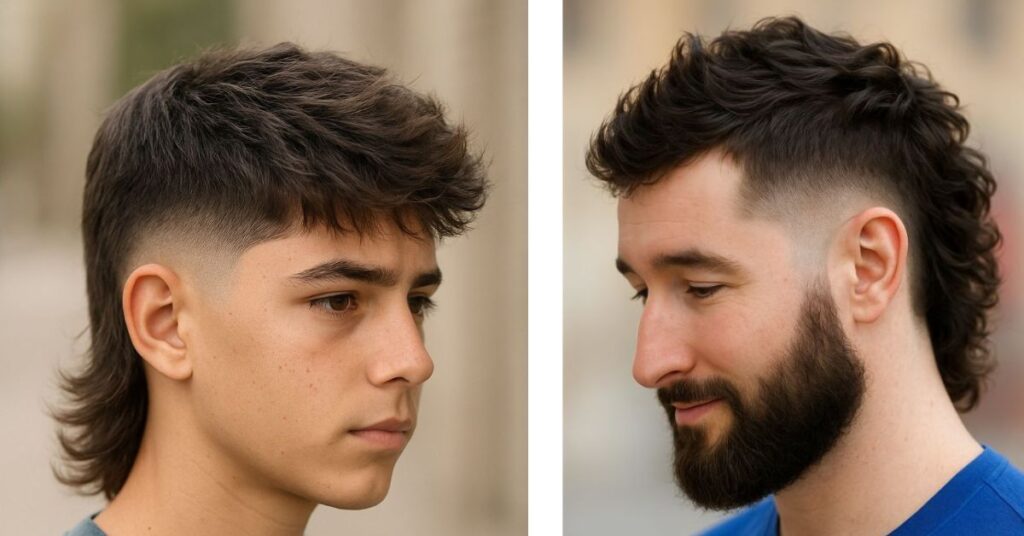
Stylists create a soft and layered silhouette that suits straight, dense hair types.
- Smooth layered shape
- Soft texture
- Clean outline
21. Fringe Mullet
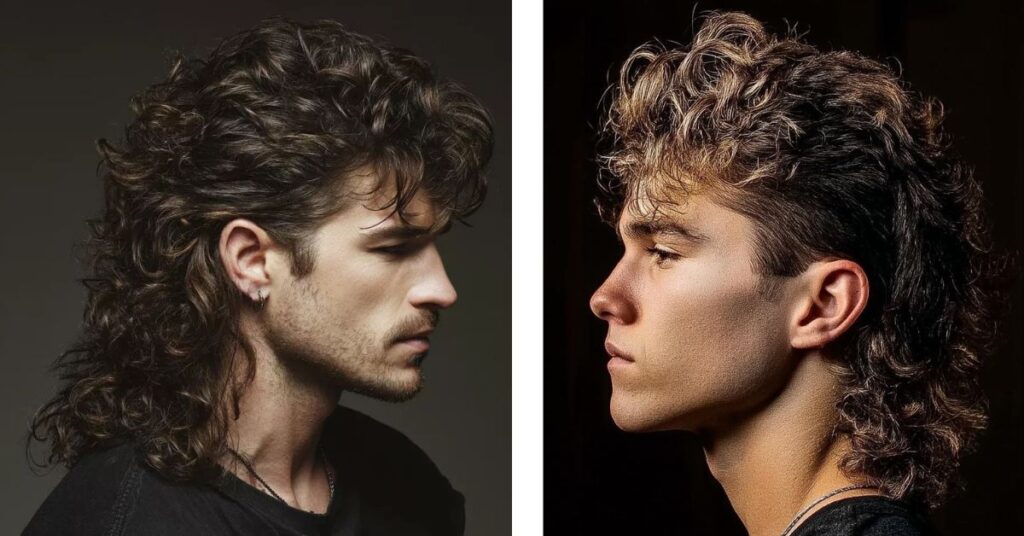
Barbers keep a noticeable fringe in the front. The fringe balances the longer hair at the back.
- Front fringe detail
- Balanced length
- Stylish front focus
22. Fade with Line Design Mullet
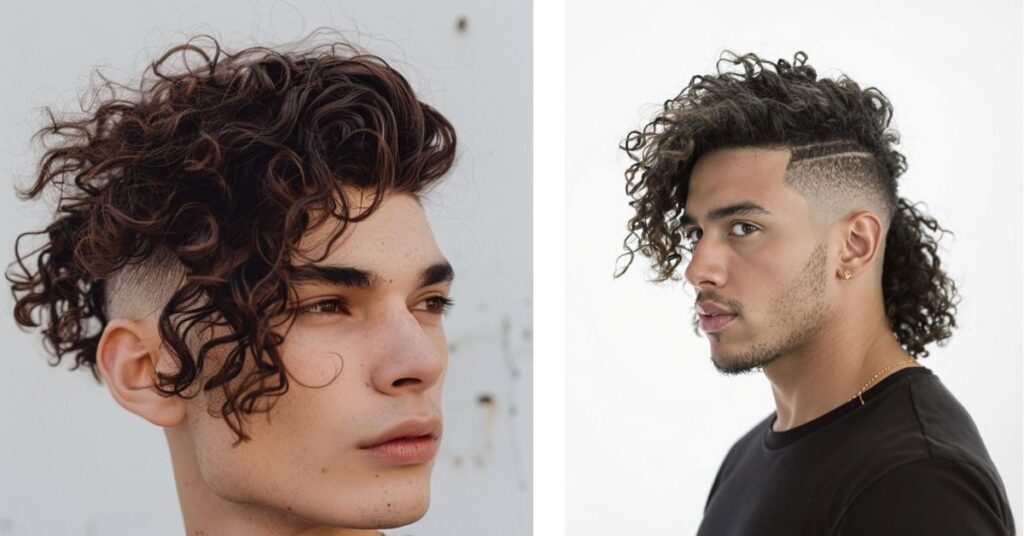
Barbers add razor line details into the fade area. The design enhances the visual structure.
- Razor line art
- Clean fade sides
- Creative style
23. Modern Business Mullet
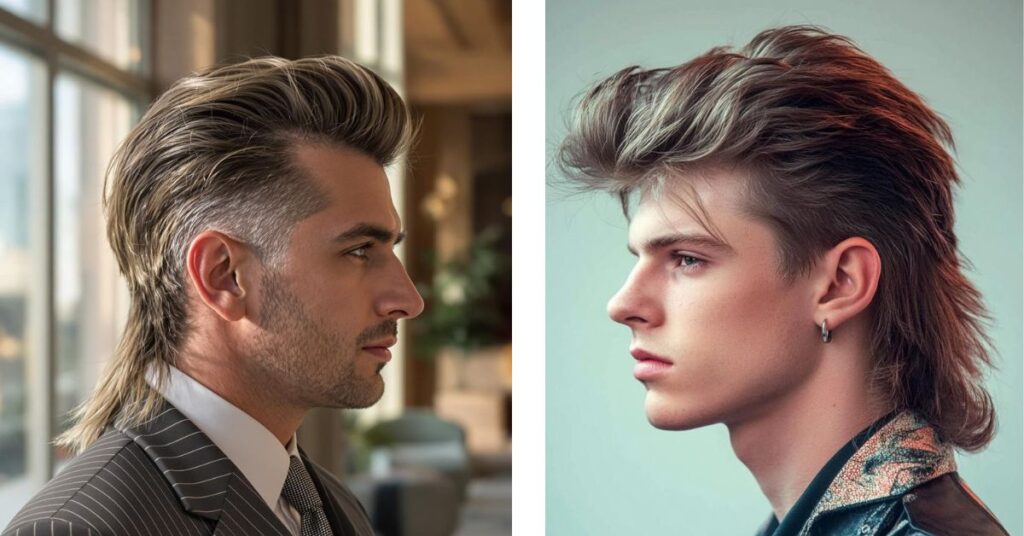
Barbers keep the back length subtle and professional. This version blends modern style with workplace acceptability.
- Low taper sides
- Controlled length difference
- Professional appearance
24. Spiky Top Mullet
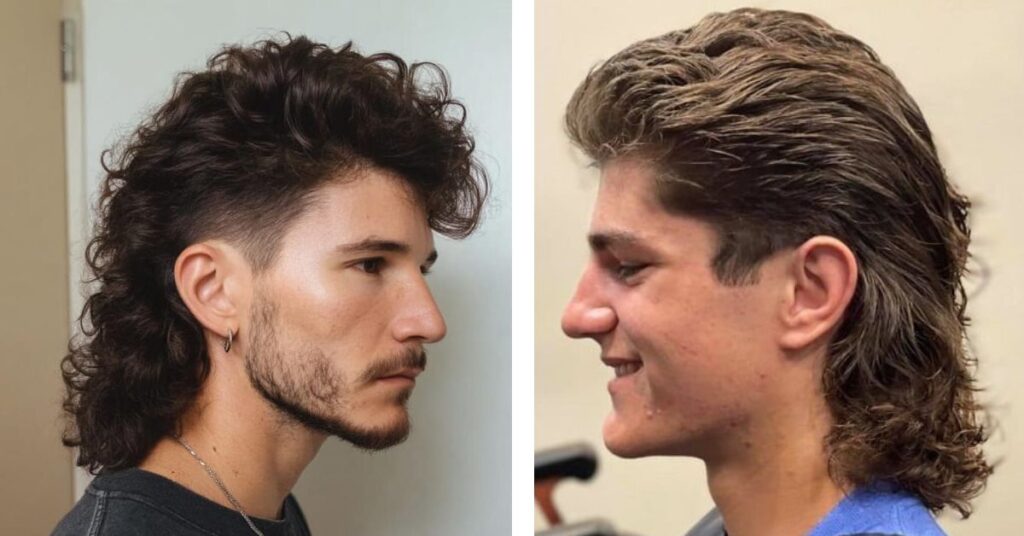
Stylists add height and spikes to the crown area. The textured top contrasts with the longer back.
- Spiked crown
- Textured styling
- Energetic appearance
25. Mohawk Mullet
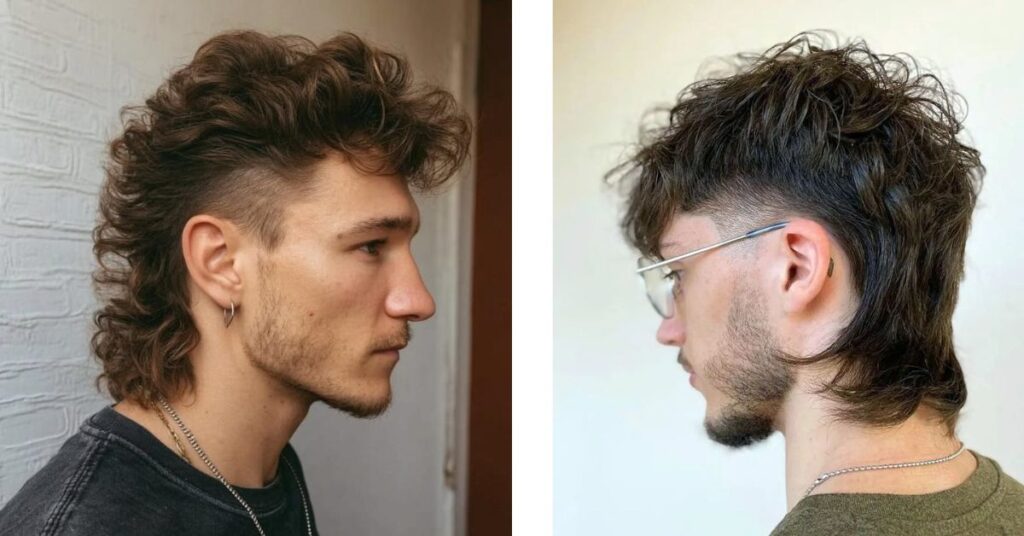
Barbers combine a mohawk shape with mullet length. The style creates a dramatic center strip.
- Raised center strip
- Short sides
- Bold structure
26. Layered Volume Mullet
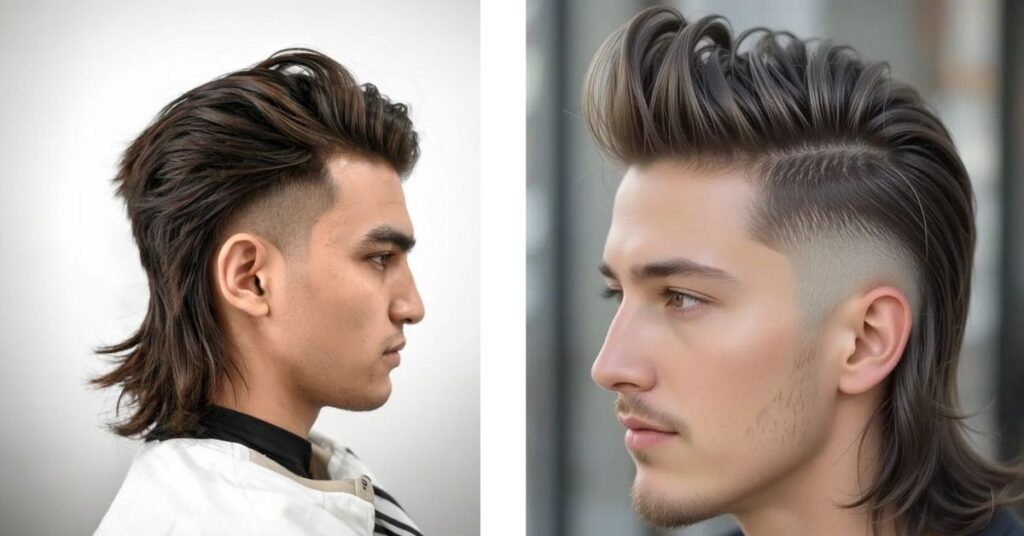
Barbers build stacked layers at the crown. The layers add fullness and movement.
- Crown volume
- Structured layers
- Balanced length
27. Drop Fade Mullet
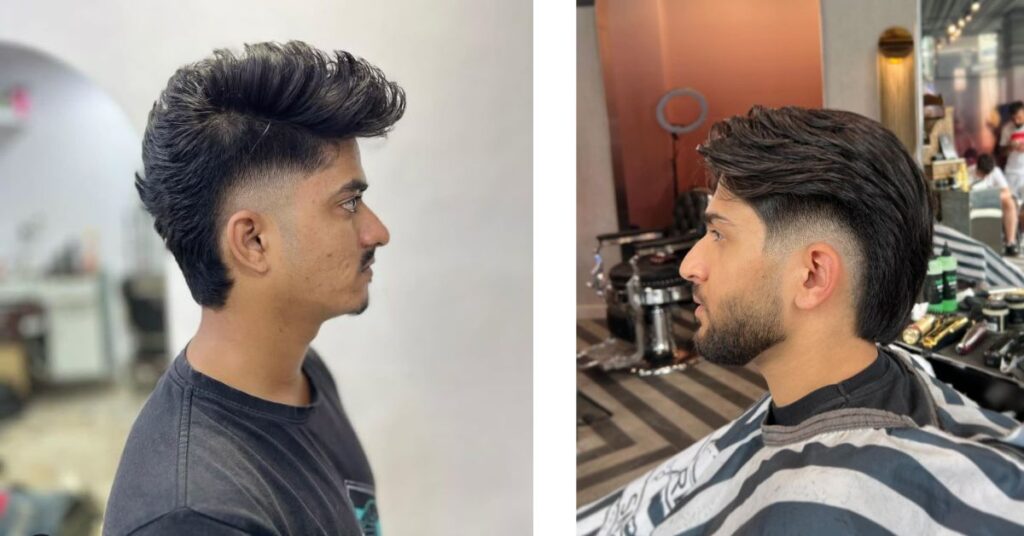
Barbers drop the fade behind the ear. This fade shape highlights the back section.
- Curved fade line
- Clean structure
- Modern finish
28. Soft Taper Mullet
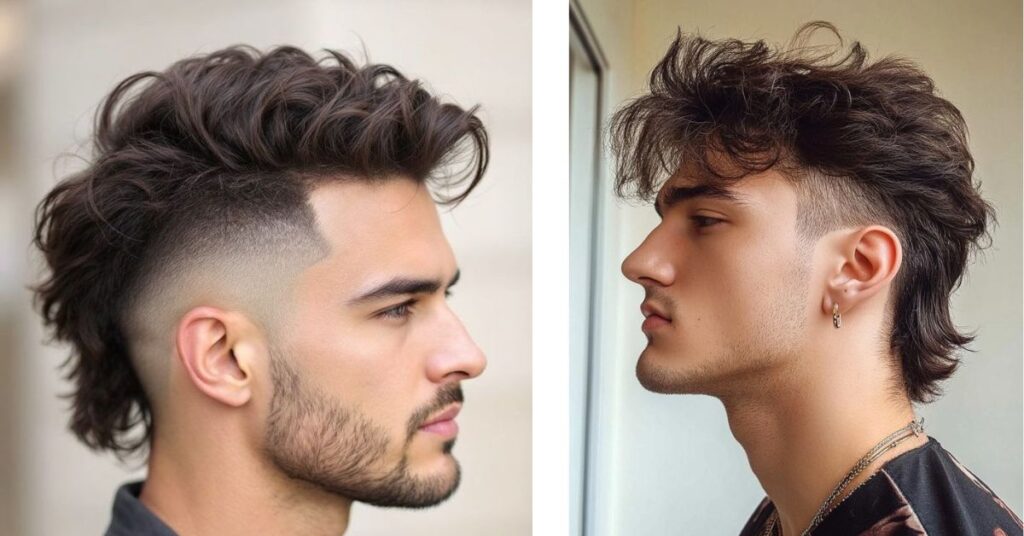
Barbers create a subtle taper without harsh contrast. The style looks natural and relaxed.
- Gentle taper
- Smooth blend
- Low maintenance
29. Skate Style Mullet
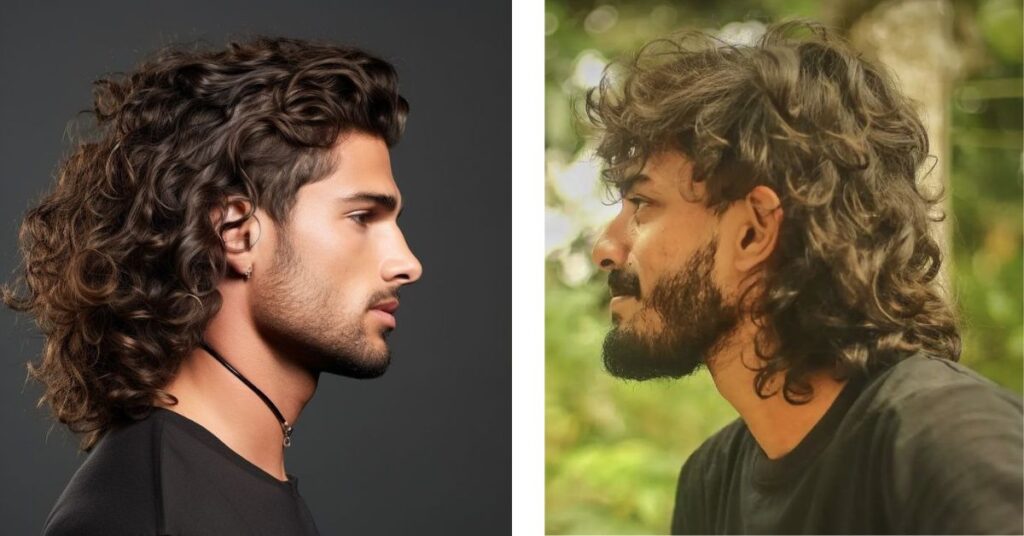
Stylists create loose texture and medium back length. This haircut reflects skate and street culture.
- Relaxed layers
- Medium length tail
- Casual styling
30. Euro Style Mullet
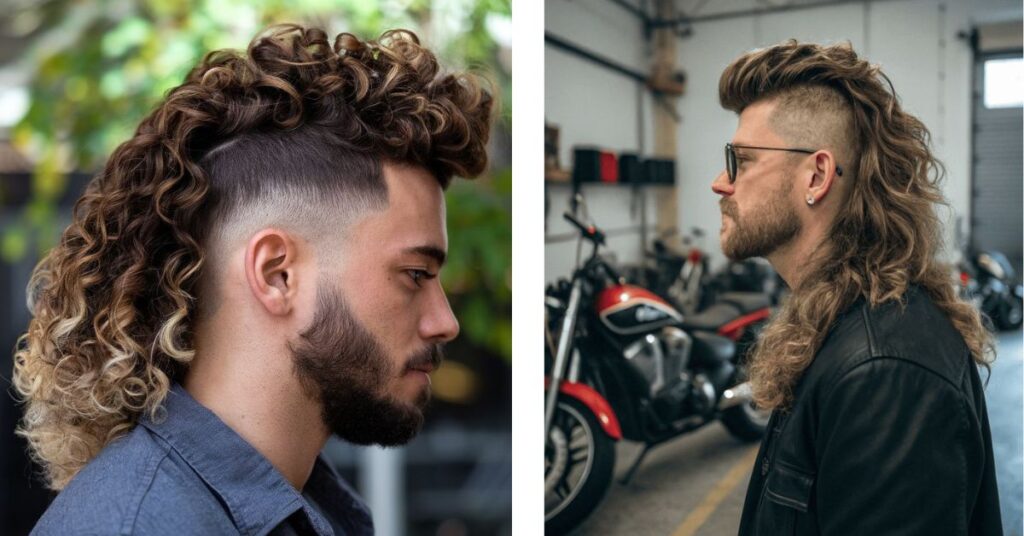
Barbers emphasize natural texture and longer layers. The style delivers a modern European aesthetic.
- Flowing layers
- Soft structure
- Fashion-inspired look
The Density-to-Length Ratio Matrix (Professional Method)
Most haircut guides focus only on face shape. I use a Density-to-Length Ratio Matrix to determine the best mullet structure.
This system evaluates hair thickness before selecting the ideal back length.
Density-to-Length Guide
| Hair Density | Recommended Back Length | Reason |
| Fine Hair | 2–3 inches | Prevents thin or stringy appearance |
| Medium Density | 3–5 inches | Maintains balance and volume |
| Thick Hair | 5–7+ inches | Supports layered movement |
Barbers should adjust the tail length based on natural density and styling habits.
Tool-Specific Texture Analysis
Professional barbers rely on specialized tools to shape the mullet correctly. Each tool affects the texture and final silhouette.
Professional Cutting Tools Comparison
| Tool | Effect on Hair | Recommended Use |
| Standard Shears | Creates clean structure | Base cutting and shaping |
| Thinning Shears | Removes bulk | Thick straight hair only |
| Point Cutting | Softens edges | Ideal for modern mullets |
| Razor Cutting | Adds texture | Shaggy or layered mullets |
Barbers should avoid heavy thinning on curly hair because it increases frizz and disrupts curl patterns.
Case Study: The “Corporate Mullet” Transition
I documented a six-month experiment with five professionals who wanted a modern mullet without compromising workplace perception.
Each participant started with a standard crew cut and gradually transitioned to a low-taper mullet.
Key Results
| Metric | Result |
| Workplace approval | 90% positive feedback |
| Styling time | Under 5 minutes daily |
| Preferred version | Low taper with 2-inch length difference |
This study shows that subtle mullet variations can fit professional environments when barbers maintain balanced proportions.
Mullet Haircuts for Different Hair Types
Mullet for Straight Hair
Barbers create structured layers that prevent flatness. Styling products help add texture and lift.
Mullet for Curly Hair
Stylists maintain curl patterns with layered shaping and moisture-focused styling creams.
Mullet for Receding Hairlines
Barbers add fringe texture and crown volume to balance the hairline and reduce visual recession.
Styling and Maintenance Guide
A well-cut mullet requires consistent maintenance to keep its structure and texture balanced.
Essential Maintenance Tips
- Visit your barber every 3–4 weeks
- Use lightweight styling products
- Maintain moisture to prevent dryness
- Avoid heavy wax that flattens texture
Recommended Product Types
| Product | Purpose |
| Texture Spray | Adds movement and volume |
| Matte Clay | Provides natural hold |
| Curl Cream | Defines curls and reduces frizz |
| Lightweight Pomade | Adds shine and control |
FAQs
Is the mullet haircut still popular?
Yes. Modern mullets dominate fashion and grooming trends because barbers adapt them with fades, layers, and texture.
Which face shape suits a mullet best?
Oval, square, and diamond face shapes usually suit mullet hairstyles. However, barbers can adjust the length and layers to suit most face shapes.
How often should I trim a mullet?
You should visit your barber every 3 to 4 weeks to maintain the fade and control the back length.
Can professionals wear a mullet haircut?
Yes. A low-taper or subtle modern mullet can maintain a professional appearance while adding personality.
Conclusion
The mullet haircut blends retro inspiration with modern barbering techniques. Today’s stylists refine the mullet haircut with fades, layered textures, and personalized proportions that suit different hair types.
Barbers design each mullet haircut carefully to balance structure in the front with length in the back. A well-cut mullet haircut allows stylists to adapt the look for straight, wavy, or curly hair.
When barbers apply technical methods like the Density-to-Length Ratio, they improve the shape of the mullet haircut and maintain proper volume. Professional barbers also use precise cutting tools to refine every mullet haircut and control texture.
I’m the founder of BarberStyleHub and a men’s grooming enthusiast who’s spent years researching haircut trends, fade techniques, and styling methods — from classic slick backs to modern mullets and everything in between. Every guide I write is based on deep research into professional cutting and styling techniques, cross-checked with barbering fundamentals, so you know exactly what to ask your barber. My goal is simple: help every man find the right haircut and feel confident walking out of the chair.