Introduction
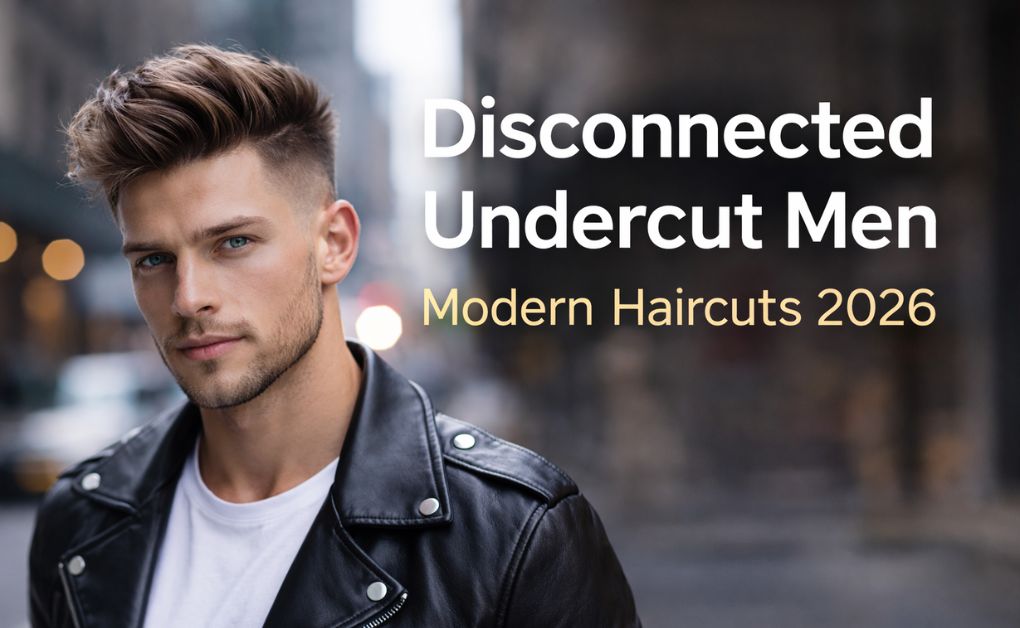
Disconnected Undercut Men styles remove hair on the sides and back while leaving the top long, creating a sharp visual contrast. Unlike fades, barbers cut the top independently from the sides to achieve the disconnect. Men choose this haircut to emphasize facial features, volume, and texture.
This style works for straight, wavy, and curly hair, but styling techniques differ based on hair type. Understanding the anatomy and purpose of each section ensures the cut enhances your face shape and overall style. Men across the world embrace disconnected undercut men for their versatility and bold statement. From slicked-back professionalism to textured, casual looks, this guide covers every aspect, helping you leave your barber’s chair with confidence and control over your style.
Anatomy of the Cut: Understanding the Parietal Ridge
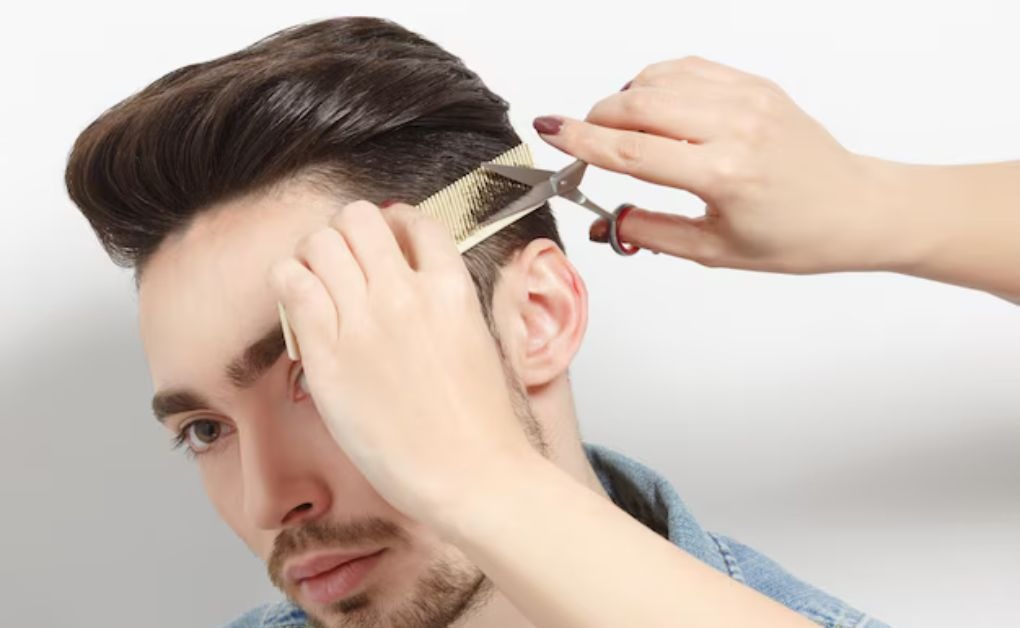
The parietal ridge forms the natural boundary between the sides and crown. Therefore, barbers use it to mark exactly where the disconnect begins. As a result, correct placement ensures the cut frames the face and ultimately enhances overall balance.
Key Points:
- High parietal ridge → more dramatic disconnect
- Low parietal ridge → subtle contrast, works for thin hair
- Over-directioning top hair can create illusion of length or volume
Clipper Guard Guide for Disconnected Undercuts
| Hair Section | Guard Number | Purpose | Notes |
| Sides (short) | #0 to #2 | Create disconnect | Use clipper-over-comb for smooth finish |
| Back (short) | #0 to #2 | Blend with sides | Maintain straight horizontal line |
| Top (long) | N/A | Style with scissors or shears | Over-direct or texturize as needed |
5 Variations for Every Hair Type
1. Straight Hair

Use a textured quiff undercut to add volume. Pomades provide shine, while matte clays offer a natural lift.
2. Wavy Hair

A slick back undercut works best. Apply lightweight pomade and comb over for a controlled wave.
3. Curly Hair
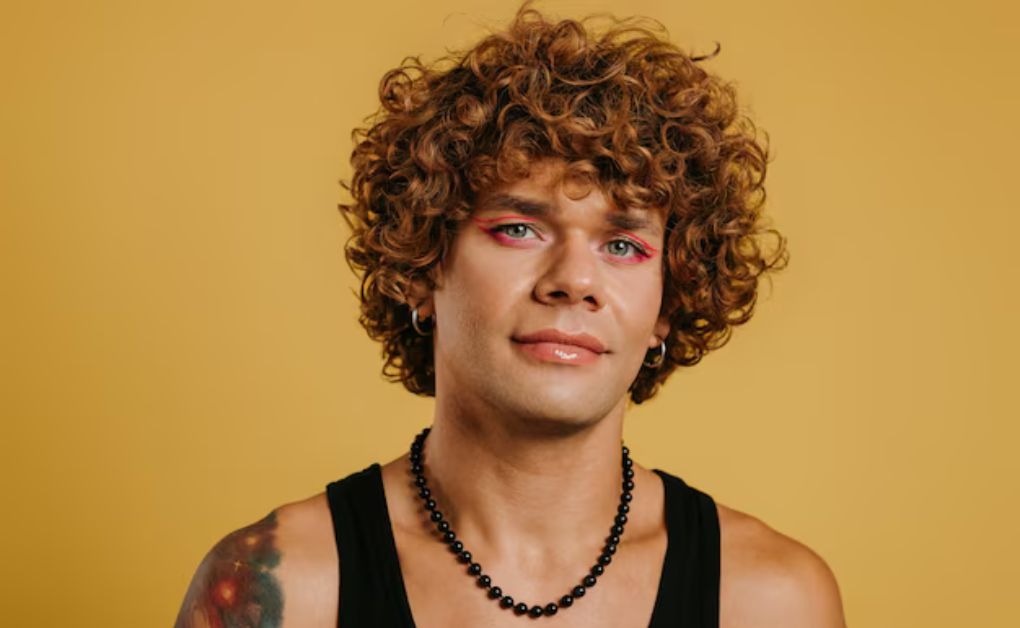
Opt for disconnected undercut curly hair maintenance. Keep sides short and leave length on top to showcase curls.
4. Thin Hair
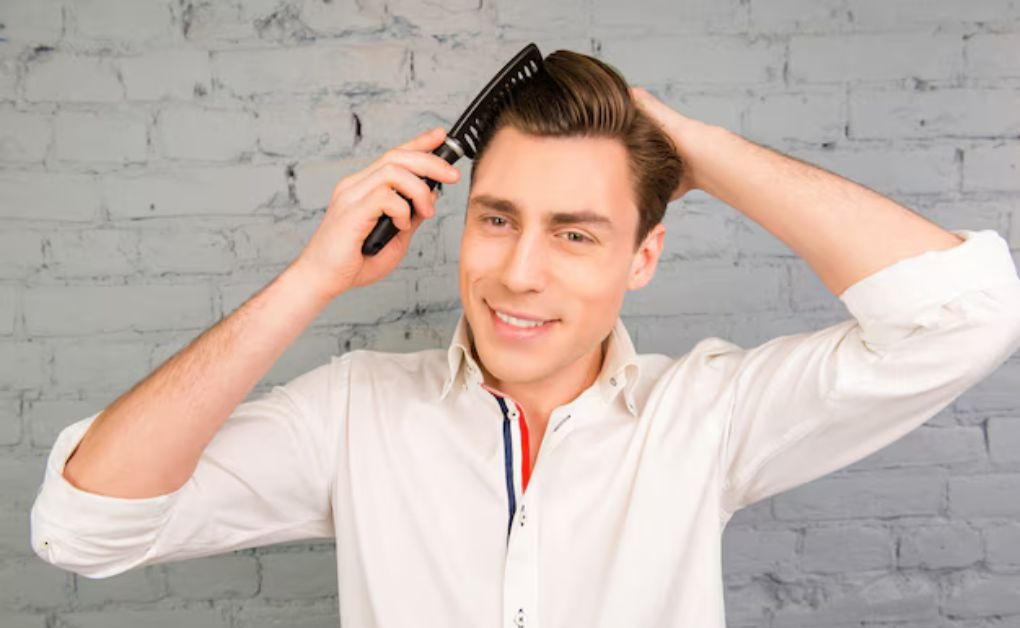
Use a short disconnected undercut to prevent top hair from weighing down. Matte clay enhances lift and fullness.
5. Receding Hairline
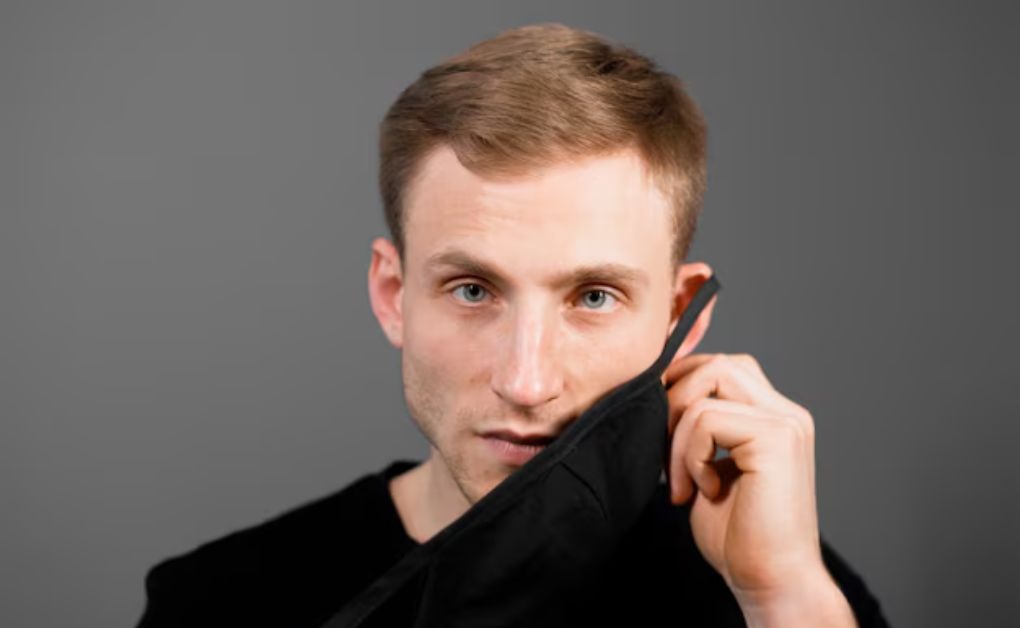
The high-point disconnect visually elongates the face. Over-direction the top to cover thinning areas.
How to Talk to Your Barber (The “Terminology” Cheat Sheet)
Using technical barber terms ensures you get the desired cut.
- Disconnect Line: Specify where you want the contrast to begin.
- Clipper Guards: Mention exact numbers (#0, #1, #2) for sides/back.
- Over-Direction: Explain how you want the top hair moved for style.
- Texturizing: Ask for thinning shears or point cutting to reduce bulk.
- Finish: Use terms like “matte clay” or “water-based pomade” to indicate styling preference.
Tip: Bring a photo of your desired style and highlight the disconnect and top length for clarity.
Daily Styling Rituals: From Wet Hair to Finished Look
- Wash and Towel Dry: First, clean hair allows product to distribute evenly.
- Apply Product: Next, use pomade for shine or clay for a matte finish.
- Comb or Finger Style: Then, comb straight for a slick back or use fingers for a textured quiff.
- Blow Dry (Optional): Additionally, blow-drying adds volume and helps set the style.
- Touch-Up: Finally, check the disconnect line and adjust as hair grows.
Product Weight Stress Test Results
| Product Type | Hair Type Tested | Vertical Hold Longevity | Notes |
| Water-Based Pomade | 6-inch top | 4 hours | Lost 30% height |
| Matte Clay | 6-inch top | 8 hours | Maintained style |
| Medium Pomade | 6-inch top | 6 hours | Best for wavy hair |
Troubleshooting: What to Do When Your Hair Grows Out
- Sides: Trim every 2–3 weeks to consistently maintain contrast.
- Top: Meanwhile, trim selectively to ensure length stays balanced.
- Disconnect fades: If needed, ask your barber to redefine the line when it blurs.
- Texture Loss: Additionally, apply lightweight products so that hair avoids flattening.
14-Day Maintenance Data Study:
- #0 guard users → touch-up at day 10
- #2 guard users → touch-up at day 18
- Observation: Over-direction helps maintain visual style longer
Many men often underestimate the importance of scalp health when maintaining a disconnected undercut. Therefore, maintaining a healthy scalp is essential because strong hair responds better to styling. For example, regular exfoliation, gentle shampooing, and proper hydration keep hair resilient and vibrant. Additionally, using light, non-greasy products prevents buildup on the scalp. Meanwhile, avoiding harsh chemicals ensures the hair retains its natural shine. Furthermore, barbers often recommend weekly scalp massages to stimulate follicle activity, which in turn helps the style maintain its structure longer.
FAQs
Q1: Can I style a disconnected undercut at home?
Yes. Use proper guards, combing techniques, and lightweight pomade or clay. Always trim conservatively if unsure.
Q2: Which products work best for disconnected undercuts?
Matte clays work for volume, water-based pomades add shine, and light creams maintain natural movement.
Q3: Can I get this cut if I have a receding hairline?
Absolutely. In fact, a high-point disconnect combined with over-direction also helps cover thinning areas. Additionally, it enhances face geometry, creating a balanced and stylish look.
Q4: How often should I maintain the disconnect line?
Every 2–3 weeks for short sides, and touch up top length as needed.
Q5: Can curly hair hold a disconnected undercut?
Yes, but apply lightweight clay and avoid over-combing to maintain natural curls.
Conclusion
The disconnected undercut combines precision, style, and adaptability. Furthermore, by understanding hair type, face geometry, and product selection, men can confidently rock this modern 2026 hairstyle. In addition, regular maintenance and clear communication with your barber ensure the style stays sharp and tailored to you.
Moreover, adapting the disconnected undercut to evolving men’s hair trends in 2026 keeps your look modern and fresh. By integrating subtle fades, textured tops, or asymmetrical lines, men can express personal style without losing the core contrast that defines the cut. For example, men who experiment with product layering—such as combining matte clay with a light pomade—create dynamic textures that work for both casual and formal settings. Ultimately, staying informed on trending variations and maintaining precise barber communication ensures the undercut remains a timeless yet contemporary statement.
I’m a men’s grooming enthusiast and the founder of BarberStyleHub. I’ve spent years studying modern haircut trends, fade techniques, and styling methods — from classic slick backs to modern mullets and everything in between. My goal is simple: help every man find the right haircut and feel confident walking out of the barber chair. I write detailed, easy-to-follow guides on fades, tapers, undercuts, and grooming products so you always know exactly what to ask your barber.